


Finland's Mannerheim Line (1939-1940)
Finland built a defensive fortification line across the Karelian Isthmus, featuring 157 machine-gun positions and 8 artillery positions integrated with natural terrain. When the Soviet Union invaded in November 1939 with roughly 600,000 troops, the Mannerheim Line held for over two months against an army many times Finland's size, inflicting massive casualties and forcing Moscow to commit far more resources than planned.
The line eventually fell in February 1940 after a concentrated Soviet offensive, and Finland was forced to cede territory in the Moscow Peace Treaty. But Finnish resistance earned international admiration and preserved the country's independence.
The Winter War demonstrated that prepared defensive positions on difficult terrain could dramatically raise the cost of invasion by a larger power. Finland maintained its sovereignty through a combination of fortification, terrain, and willingness to fight.
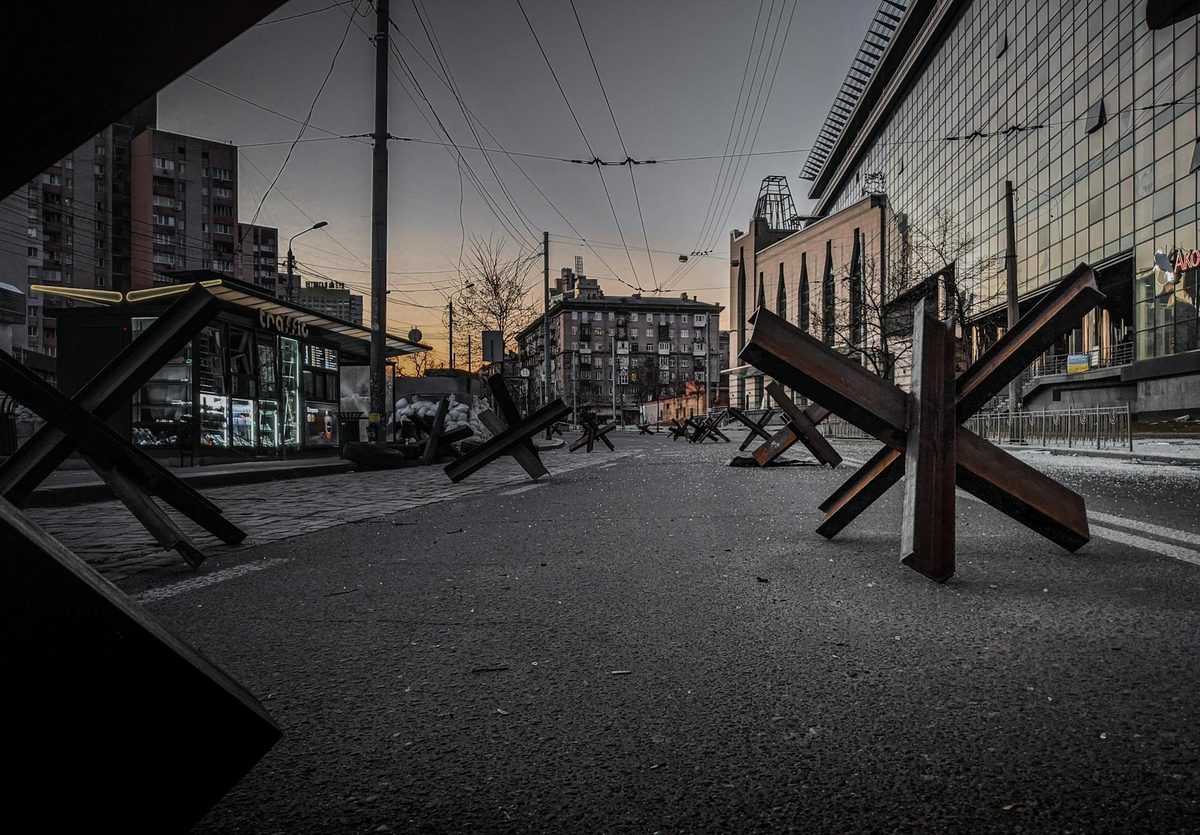
Poland and the Baltic states are explicitly drawing on this model — using prepared defensive positions, natural obstacles, and minefields to make a ground invasion prohibitively costly for Russia, compensating for the attacker's numerical advantage with fortified terrain.