




Pull to refresh
Logo
Half of India's coal-fired plants run critically low on fuel

Half of India's coal-fired plants run critically low on fuel

Built World

Coal stockpiles hit a five-year low as a weak monsoon cuts hydropower and El Niño heat lifts demand

Today: POWER magazine covers CEA data as demand soars

Overview

Updated 1 hour ago

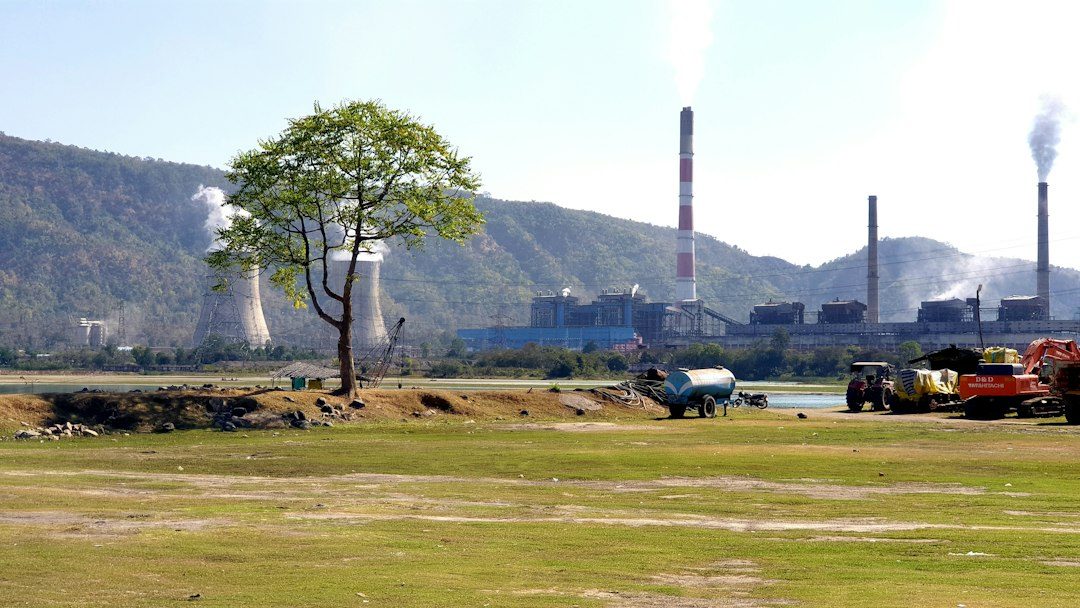
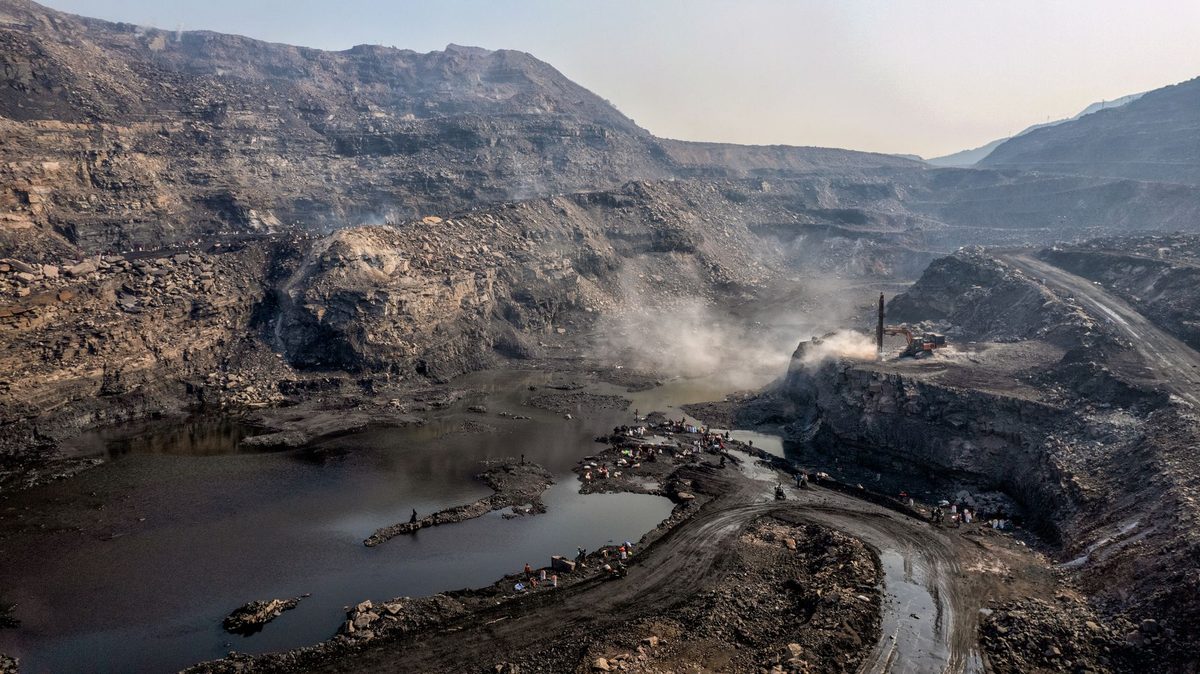
More than half of India's coal-fired power units are running on critically low fuel. The Central Electricity Authority counted 96 units with inadequate stockpiles on October 19, up from 60 a month earlier.

India gets nearly 70% of its electricity from coal, so the squeeze pressures the whole grid. A weak monsoon cut hydropower output, and El Niño-linked heat lifted demand, draining stocks to a five-year low.

The government ordered more than 100 plants to run at full capacity through year-end under emergency provisions. It shelved a plan to mandate coal imports because seaborne prices are high and the rupee is weak. Gujarat has already asked factories to curb power use.

Why it matters

With coal supplying nearly 70% of India's electricity, depleted stockpiles raise the risk of rolling blackouts for more than a billion people.

Questions about this story

Free account needed to ask — your question is kept and asked for you right after sign-up. Answers are public.

No questions yet — be the first to ask.

Key Indicators

96
Coal-fired units with critically low fuel
Reported by the Central Electricity Authority on October 19, up from 60 a month earlier.
47%
Coal plants at critical fuel levels
Power ministry data as of October 17 shows about half of plants holding less than a quarter of required fuel.
69
Stations with four days of fuel or less
As of October 4, more than two-fifths of the coal fleet at minimum operating stockpile.
13.3%
Year-over-year rise in September coal-fired generation
Hydro output fell 20% in the same month, pushing more load onto coal plants.

Voices

Curated perspectives — historical figures and your fellow readers.

Ever wondered what historical figures would say about today's headlines?

Sign up to generate historical perspectives on this story.

Organizations Involved

Timeline

May 2026 October 2026

9 events Latest: Today
Tap a bar to jump to that date
  1. POWER magazine covers CEA data as demand soars

    Today Report

    POWER reports the CEA figures; more than half of units now run low as hydropower lags and heat keeps demand high.

  2. CEA reports 96 units critically low; import mandate shelved

    Data

    Central Electricity Authority says 96 units are critically low; Bloomberg reports the government dropped a coal-import mandate over cost.

  3. Half of plants at critical coal levels

    Data

    Power ministry data shows nearly half of coal-fired plants holding less than a quarter of mandated fuel.

  4. 69 stations hold four days of fuel or less

    Data

    More than two-fifths of the coal fleet sits at minimum operating stockpile, a level last seen in December 2021.

  5. Government orders 100+ plants to full capacity

    Mandate

    Power ministry invokes emergency provisions of the Electricity Act to run captive coal plants at maximum output from October 1.

  6. Nearly 40% of coal plants critically low

    Data

    Grid India data shows about 40% of coal-fired plants below critical fuel thresholds as peak demand holds between 230 and 250 GW.

  7. 60 coal-fired units at low fuel stocks

    Data

    Central Electricity Authority counts 60 units with low coal, a figure that climbs to 96 within a month.

  8. September power deficit reaches 560 million kWh

    Data

    Worst September shortage in nearly a decade; deficit is the highest since August 2023.

  9. Peak power demand hits record 270.70 GW

    Measurement

    All-time high for electricity demand as summer heat drives cooling load across the country.

Scenarios

1

Cooler weather lets coal stocks rebuild to normal

Possible Resolves by Q1 2027

Discussed by: Elara Capital analyst Rupesh Sankhe (quoted in The Hindu BusinessLine); government statements on Coal India output

November through February is India's coolest stretch. Cooling demand drops, giving Coal India and the railways room to rebuild stockpiles before next summer. If mining and rail bottlenecks clear while demand eases, inventory cover could climb back toward the 15-day target.

2

Rolling power cuts spread across states

Possible Resolves by End of 2026

Discussed by: Reuters, Business Standard (reporting states seeking extra power), Gujarat's factory curbs

If coal deliveries lag demand into November, more states follow Gujarat in trimming industrial consumption or imposing load shedding. A continued hydropower shortfall would deepen the gap. Nearly 90% of depleted plants sit far from mines, so rail bottlenecks are the trigger to watch.

3

Government reinstates a coal import mandate

Unlikely Resolves by Jan 31, 2027

Discussed by: The Economic Times, POWER magazine (reporting the shelved proposal)

The ministry set aside a plan to require imported-coal blending because seaborne prices are high and the rupee is weak. If the crunch deepens, or if coal prices fall and the currency steadies, the government could reverse course and order plants to blend imported coal with domestic supply. That would mark a shift from the current approach of relying on Coal India.

Historical Context

3 moments from history that rhyme with this story — and how they unfolded.

October–December 2021

India's 2021 Coal Crunch (2021)

As India's economy rebounded from COVID lockdowns, coal stockpiles at power plants fell to critically low levels, with many plants holding only days of supply. Several states imposed power cuts as utilities struggled to buy enough fuel at rising prices.

Then

The government ordered Coal India to ramp up output and directed utilities to secure imports; stocks gradually recovered over several months.

Now

The episode exposed chronic under-investment in domestic coal logistics and pushed the government to keep pushing Coal India toward higher production.

Why this matters now

December 2021 was the last time inventories were this low, per The Hindu BusinessLine. The same lever—Coal India output plus imports—is now being pulled again.

July 2012

India's 2012 Blackout (July 2012)

Two consecutive grid failures in late July 2012 left roughly 620 million people—about 9% of the world's population—without power across northern and eastern India. Northern states over-drew electricity and grid operators lost control of frequency.

Then

Grids were restored within days, but the event exposed severe weaknesses in grid management and generation capacity.

Now

It triggered grid reforms, better load-management rules, and renewed investment in generating capacity, including coal plants.

Why this matters now

Shows the downstream failure mode if a coal supply crunch turns into a generation shortfall while the grid is under stress from heat-driven demand.

September–October 2021

China's 2021 Power Crunch (2021)

A coal price spike and domestic coal shortage in China led provinces to impose rolling blackouts, hitting factories and forcing output cuts across industrial sectors. Thermal plants ran with days of fuel as demand for electricity outran supply.

Then

Beijing ordered miners to raise output and pushed utilities to secure spot coal; the crunch eased into 2022 as weather cooled.

Now

The episode accelerated China's push for renewable capacity and grid battery storage, though coal remains the dominant power source.

Why this matters now

A close international parallel for how a large coal-dependent economy responds to a supply squeeze—with the same outcome: loaded onto coal output and imports until demand cools.

Sources

(10)