

Pull to refresh
Logo
China's coal share of electricity falls below half

China's coal share of electricity falls below half

Built World

Coal supplied 49.7% of China's power in the first half of 2026, the first time below 50%, even as total coal use keeps climbing

7 days ago: China publishes the milestone data

Overview

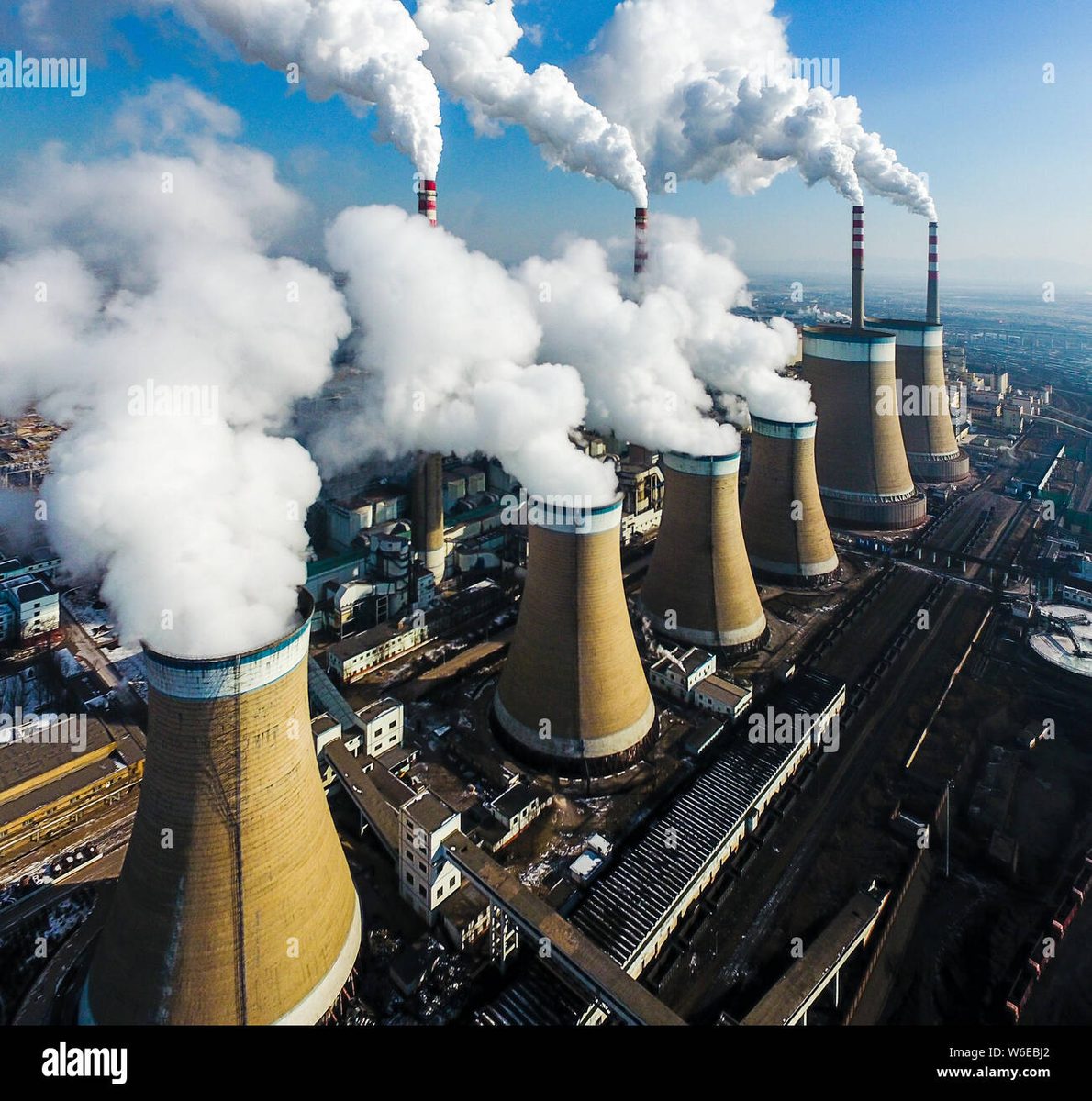
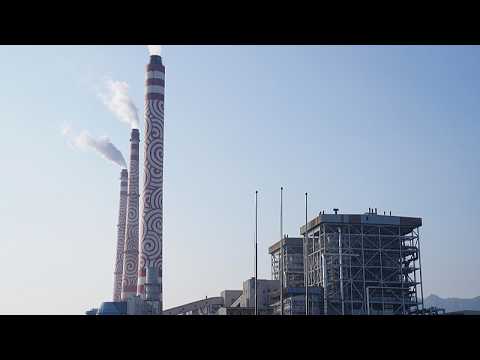
For as long as China has had a modern power grid, coal has generated most of its electricity. In the first half of 2026, that ended. Coal supplied 49.7% of China's power, dropping below half for the first time.

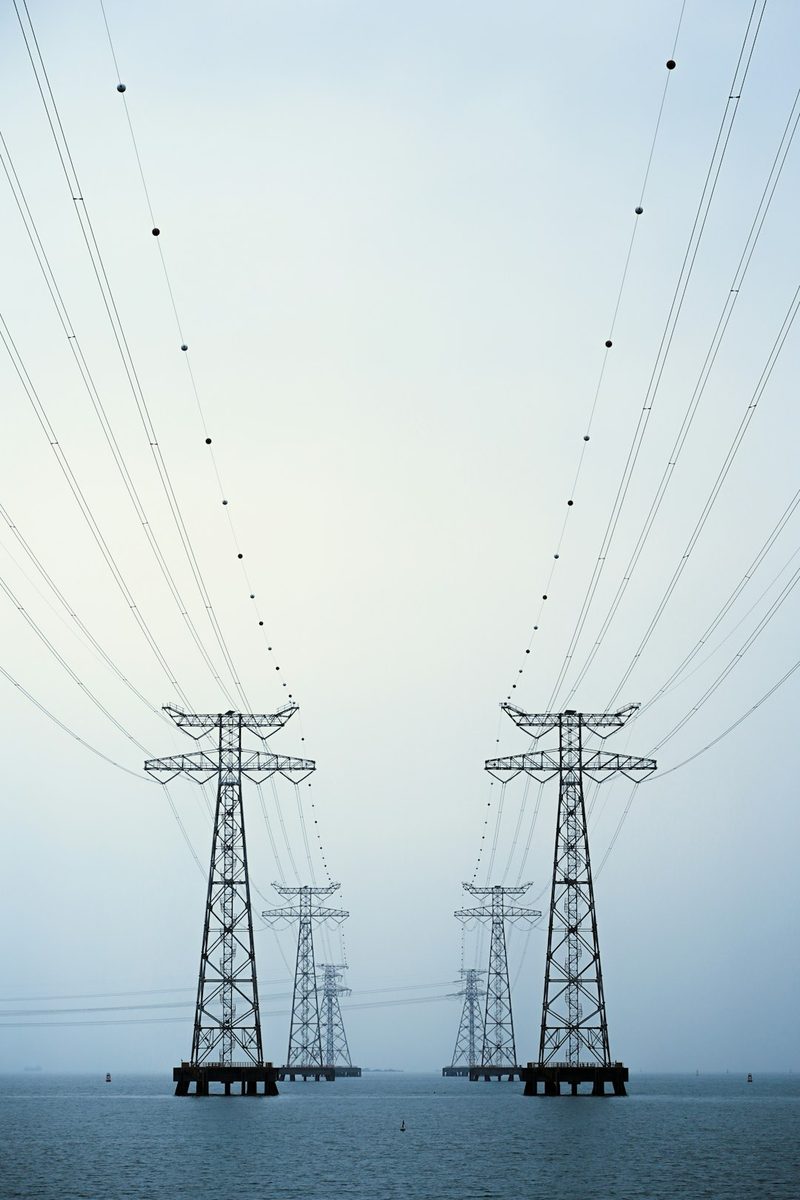
The shift is real but narrower than the headline suggests. Coal's slice shrank because wind and solar grew faster, not because China burned less coal. Demand from factories, electric cars, and AI data centers is rising so fast that total coal generation is still going up.

Why it matters

China burns about a third of the world's coal, so whether its coal use rises or falls sets the pace for global carbon emissions.

Questions about this story

No questions yet — be the first to ask.

Key Indicators

49.7%
Coal's share of electricity
Coal's portion of China's power output in the first half of 2026, below 50% for the first time.
41.2%
Renewables' share of electricity
Wind, solar, hydro, and biomass combined in the first half of 2026.
1,950 GW
Wind and solar capacity
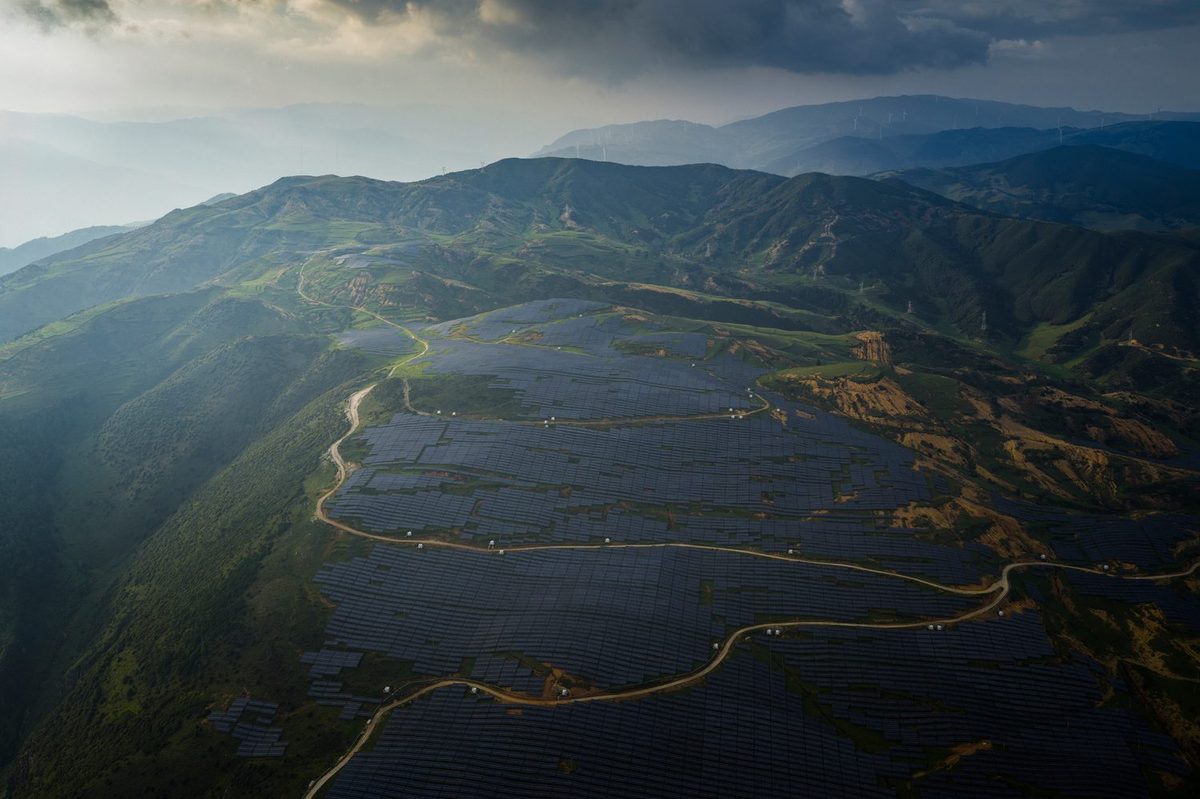
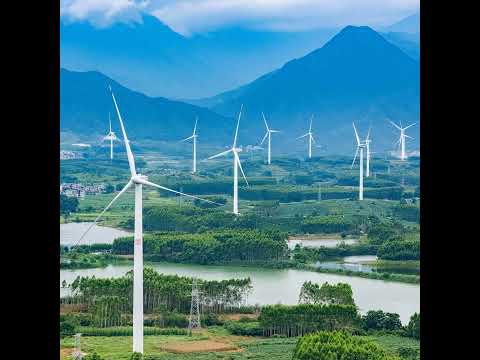
Combined installed wind and solar capacity by end of June 2026, up 16.8% in a year.
+2%
CO2 emissions, early 2026
China's energy and industry carbon emissions still rose in the first quarter of 2026.

Voices

Curated perspectives — historical figures and your fellow readers.

Ever wondered what historical figures would say about today's headlines?

Sign up to generate historical perspectives on this story.

Play

Exploring all sides of a story is often best achieved with Play.

Most of these play right now — no account needed. Sign up to save scores, keep a streak, and unlock Debate and Predict. Log in Sign Up
Predict 3 ways this could play out. Back the one you believe — contrarian picks score more when a scenario has a resolution date. Log in to play

People Involved

Organizations Involved

Timeline

September 2020 July 2026

6 events Latest: 7 days ago
Tap a bar to jump to that date
  1. China publishes the milestone data

    Latest Report

    The China Electricity Council releases first-half figures confirming coal below 50% and wind-plus-solar capacity at 1,950 gigawatts.

  2. Coal's share falls below half

    Milestone

    Over the first half of 2026, coal supplies 49.7% of China's electricity, the first time below 50%. Renewables reach 41.2%.

  3. Emissions rise despite record clean power

    Analysis

    CREA analysis finds China's CO2 rose about 2% in early 2026 as some wind and solar output was curtailed rather than used.

  4. Wind and solar capacity passes coal

    Milestone

    Installed wind and solar capacity surpasses thermal capacity for the first time, reaching about 47.3% of the national total.

  5. China's power-sector emissions fall for a full year

    Milestone

    For the first time, China records a full-year drop in carbon emissions from its power sector, driven by record clean-energy growth.

  6. Xi sets China's carbon deadlines

    Policy

    Xi Jinping tells the UN that China will peak carbon emissions before 2030 and reach neutrality before 2060.

Historical Context

3 moments from history that rhyme with this story — and how they unfolded.

2007-2016

US shale gas displaces coal (2007-2016)

Cheap shale gas from hydraulic fracturing flooded the US market. Coal's share of US electricity fell from about 50% to around 30% in under a decade as utilities switched fuels.

Then

Coal plants closed or ran less; power-sector emissions dropped without any national mandate.

Now

The US showed a dominant fuel can lose half its market fast when a cheaper rival scales up.

Why this matters now

China's coal decline is driven by wind and solar rather than gas, but the pattern is the same: a cheaper competitor eats a fuel's share far faster than anyone predicted.

2012-2024

United Kingdom's coal phase-out (2012-2024)

Britain got about 40% of its power from coal in 2012. A carbon price and wind buildout cut that to near zero, and the UK closed its last coal plant in 2024.

Then

The UK ran its first coal-free days in 2017 and stretched them into weeks by 2019.

Now

A major industrial economy fully exited coal power in about twelve years.

Why this matters now

The UK shows how far a coal decline can run once it starts. China is far larger and still building coal, but crossing below 50% is where the UK's steep drop began.

2011-2019

Germany's Energiewende and emissions plateau (2011-2019)

After the Fukushima disaster, Germany expanded renewables fast while phasing out nuclear power. Coal filled part of the nuclear gap, so carbon emissions barely fell for years despite record clean-energy growth.

Then

Renewables' share climbed, but coal stayed high and emissions plateaued.

Now

Germany learned that adding clean power does not cut emissions if it displaces nuclear or if demand keeps rising.

Why this matters now

This is the cautionary case for China. A rising renewable share and a falling coal share can still coexist with flat or rising emissions if total electricity demand keeps climbing.

Sources

(8)