


Pull to refresh
Logo
Daily Brief
Following
Why Ranks Sign Up
AI compound screen finds new antibiotics against drug-resistant gonorrhea

AI compound screen finds new antibiotics against drug-resistant gonorrhea

New Capabilities

A machine-learning model scanned millions of molecules and surfaced two that kill a pathogen running out of treatments

Yesterday: MP20 and A1 detailed in journal and Nature coverage

Overview

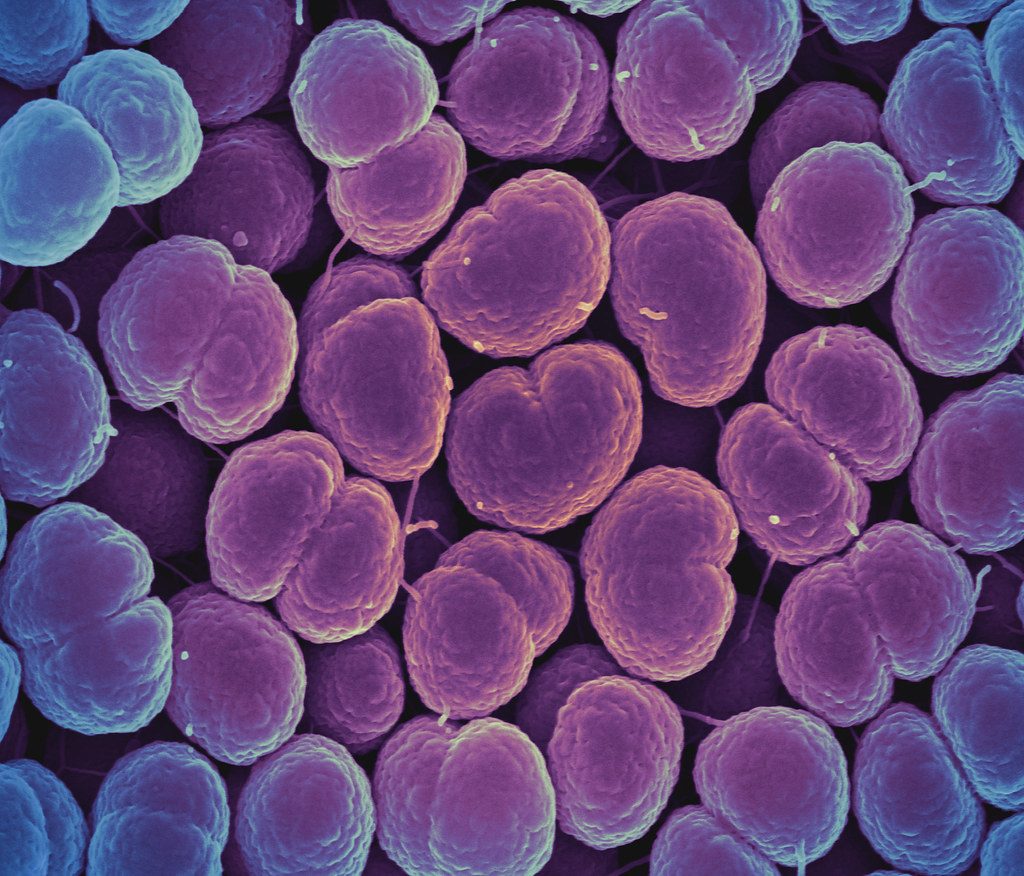
Gonorrhea has shrugged off nearly every drug thrown at it. Now a machine-learning model has scanned about 6 million chemical structures and pulled out two compounds that kill the bacterium in ways existing antibiotics do not.

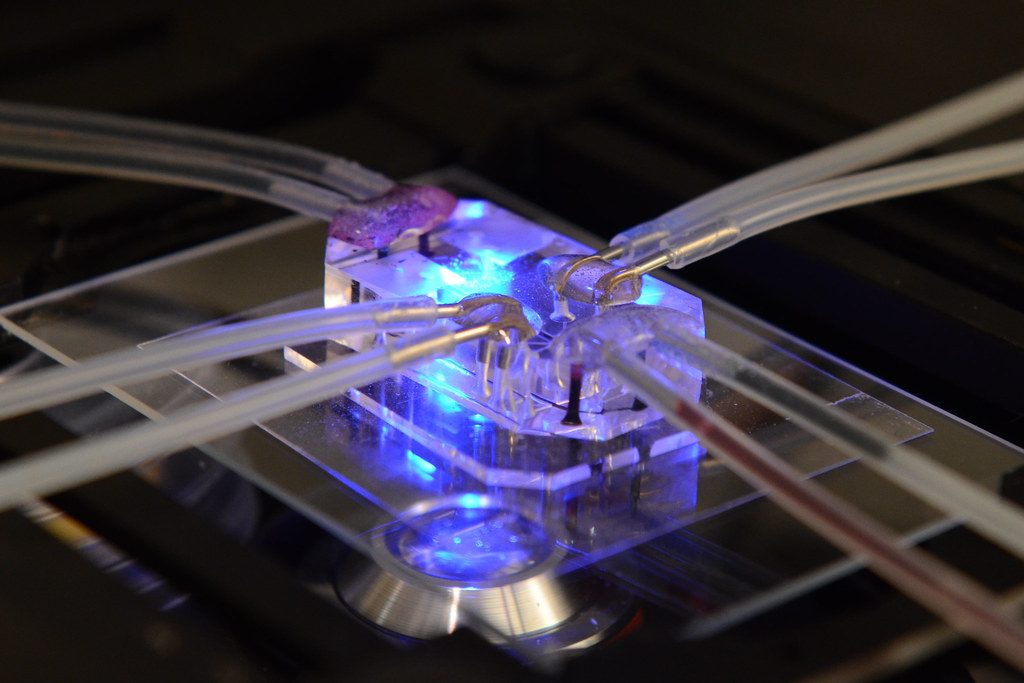
The work, led by James Collins at Harvard's Wyss Institute with MIT and the Broad Institute, was published in Science Translational Medicine. The lead compound killed the bacterium in a chip lined with living human cells. Both compounds are years from a pharmacy shelf, but they give doctors a new line of attack on a pathogen the World Health Organization lists as a high-priority resistance threat.

Why it matters

Gonorrhea is close to running out of working drugs; these compounds attack it through routes the bacterium has not learned to dodge.

Questions about this story

No questions yet — be the first to ask.

Key Indicators

~6 million
Compounds screened
The model virtually evaluated roughly 6 million chemical structures for activity against the bacterium.
83
Confirmed active candidates
Compounds the screen flagged that lab tests confirmed could kill Neisseria gonorrhoeae.
2
Novel-mechanism leads
MP20 and A1 attack the bacterium through routes unlike current antibiotics.
5%
Ceftriaxone resistance, 2024
Resistance to the main first-line drug rose from 0.8% in 2022 to about 5% in 2024, per WHO surveillance.

Voices

Curated perspectives — historical figures and your fellow readers.

Ever wondered what historical figures would say about today's headlines?

Sign up to generate historical perspectives on this story.

Play

Exploring all sides of a story is often best achieved with Play.

Log in to play. Track your picks, climb the leaderboards. Log in Sign Up
Predict 3 ways this could play out. Contrarian picks score more — points lock when the scenario resolves. Log in to play
Higher or Lower Two numbers from this story. Guess which is bigger. 5 rounds to set a streak. Log in to play
Timeline Five events from this story — drag them oldest to newest. Log in to play
Connections Sixteen names from the news. Find the four hidden groups of four. Log in to play

People Involved

Organizations Involved

Timeline

February 2020 June 2026

5 events Latest: Yesterday
Tap a bar to jump to that date
  1. MP20 and A1 detailed in journal and Nature coverage

    Latest Publication

    Nature covers the Science Translational Medicine paper. MP20 disrupts the bacterial membrane and damages DNA; A1 blocks an enzyme needed to build the cell wall.

  2. Gonorrhea compounds reported

    Discovery

    Coverage details a graph neural network trained on about 38,650 molecules, then used to screen 6 million, yielding 83 active candidates and two leads.

  3. Generative models design compounds from scratch

    Method

    MIT researchers use generative AI to design new antibacterial structures atom by atom, rather than only ranking existing molecules.

  4. AI surfaces abaucin

    Discovery

    The lab reports abaucin, a narrow-spectrum compound against Acinetobacter baumannii, found by screening thousands of molecules with a trained model.

  5. Deep learning finds halicin

    Discovery

    Collins's group reports halicin, a compound found by a neural network, killing several drug-resistant bacteria in mice. It is the method's first proof.

Historical Context

3 moments from history that rhyme with this story — and how they unfolded.

February 2020

Halicin discovery (2020)

Collins's team trained a neural network to predict antibacterial activity, then ran it across a drug-repurposing library. It flagged halicin, a molecule once studied for diabetes, which killed many drug-resistant strains in mice.

Then

The find drew wide attention as the first antibiotic surfaced by deep learning.

Now

It established the screen-and-confirm method the gonorrhea work now extends to a harder target.

Why this matters now

The gonorrhea study uses the same core idea, scaled from a small library to roughly 6 million compounds.

May 2023

Abaucin against Acinetobacter baumannii (2023)

The lab screened about 7,500 molecules with a trained model and found abaucin, a compound that hits one dangerous hospital pathogen while sparing others. Narrow targeting can slow resistance and protect helpful bacteria.

Then

Abaucin worked against the target in mice and lab tests.

Now

It showed AI screens could deliver precise, narrow-spectrum drugs, not just broad killers.

Why this matters now

MP20 and A1 follow the same narrow-targeting logic against a single high-priority pathogen.

2024

Zoliflodacin oral antibiotic trial (2024)

A late-stage trial showed zoliflodacin, a first-in-class oral drug, matched standard injectable treatment for uncomplicated gonorrhea. It was the first genuinely new gonorrhea antibiotic class to reach that stage in decades.

Then

Results supported regulatory review of a new oral option.

Now

It showed new mechanisms can still beat a pathogen that has defeated older drugs.

Why this matters now

It marks the slow, expensive path the AI-found compounds must travel to reach patients.

Sources

(6)