

Pull to refresh
Logo
Alaska ends voter-data agreement with the Justice Department

Alaska ends voter-data agreement with the Justice Department

Rule Changes

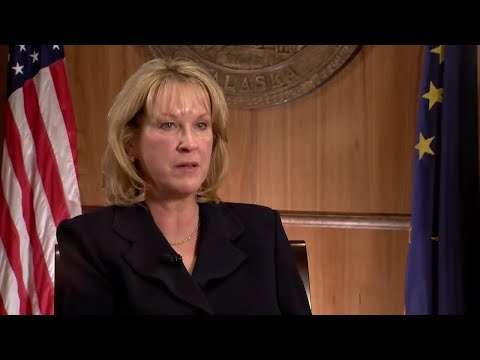
Lt. Gov. Nancy Dahlstrom withdrew from a December 2025 memo and asked federal officials to destroy the state's voter records

Overview

Updated 36 minutes ago

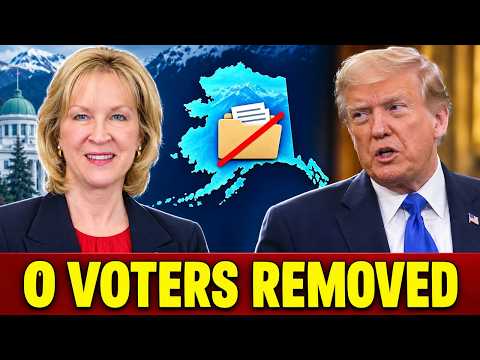
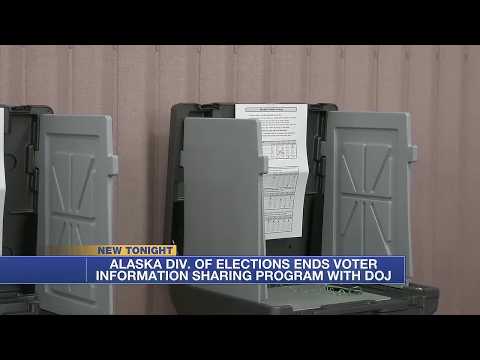
Alaska ended its voter-data agreement with the U.S. Department of Justice on Nov. 23, 2026, and told federal officials to destroy the personal information they had already received. The memorandum, signed in December 2025, had given the department a channel to flag voters it considered ineligible.

The termination came three weeks after the midterm elections and four months after Alaska removed more than 3,000 people from its voter rolls over citizenship questions. A lawsuit over whether the data handover violated the state constitution is still open in Anchorage Superior Court.

Why it matters

Alaska is testing whether a state can take voter data back after handing it to federal law enforcement, and whether the deletion can be verified.

Questions about this story

Free account needed to ask — your question is kept and asked for you right after sign-up. Answers are public.

No questions yet — be the first to ask.

Key Indicators

3,000+
Voters removed from Alaska's rolls in July 2026
The elections division later told lawmakers nearly 700 of them were U.S. citizens.
28
Justice Department voter-roll lawsuits dismissed
Out of roughly 30 suits filed against states that declined to hand over unredacted voter lists.
16
States that complied with the department's voter-roll requests
Alaska was among them before it terminated its agreement.
1
Open state-court lawsuit over the data transfer
Filed by the League of Women Voters, Alaska Black Caucus and Alaska Public Interest Research Group.

Voices

Curated perspectives — historical figures and your fellow readers.

Sign up to generate historical perspectives on this story.

People Involved

Organizations Involved

Timeline

December 2025 November 2026

9 events Latest: Yesterday
Tap a bar to jump to that date
  1. Lawmakers question whether the data is gone

    Latest Reaction

    Bipartisan legislators say they doubt federal agencies deleted or lost access to the records.

  2. Dahlstrom terminates the agreement

    Decision

    She directs the department to destroy Alaska's confidential voter information.

  3. Midterm elections held

    Election

    The administration had argued the voter data was needed to find fraud in the vote.

  4. Elections director says nearly 700 removed voters were citizens

    Statement

    Beecher tells lawmakers more than a fifth of the disqualified voters held citizenship.

  5. Alaska removes more than 3,000 voters from its rolls

    Administration

    Officials say the voters could stay if they provided proof of U.S. citizenship.

  6. Documents detail the voter-roll transfer

    Disclosure

    Records between the department and the lieutenant governor's office are released.

  7. Alaska signs voter-data memorandum with Justice Department

    Agreement

    The memo lets federal officials flag potentially ineligible voters on Alaska's rolls.

Scenarios

1

Justice Department confirms Alaska's voter data is destroyed

Possible Resolves by Q1 2027

Discussed by: Alaska Division of Elections, which said it directed the department to destroy the records

The state's termination notice asks the department to destroy Alaska's confidential voter information under the terms of the 2025 memo. If federal officials confirm in writing that the files are gone, the data question closes without further litigation. Lawmakers including Rep. Andrew Gray have said they do not expect that confirmation.

2

Judge rules the data transfer violated Alaska's constitution

Uncertain Resolves by Q2 2027

Discussed by: League of Women Voters of Alaska and co-plaintiffs in Anchorage Superior Court

The April 2026 suit argues that turning over names, addresses, birth dates and partial Social Security numbers breached the privacy clause of the Alaska Constitution. A ruling for the plaintiffs could set a state-level limit on future federal data requests, separate from the federal case that vacated the department's program.

3

Another state exits its voter-data agreement

Possible Resolves by Q2 2027

Discussed by: Voting rights advocates and state election officials tracking the 16 complying states

Alaska was one of at least 16 states that gave the department access to voter rolls. If another complying state cites the end of the midterms or pending litigation and formally withdraws, Alaska's move becomes a pattern rather than a single reversal.

4

Appeals court revives the federal voter-list program

Unlikely Resolves by End of 2027

Discussed by: The Justice Department, which appealed the October 2026 ruling

A federal judge vacated the department's nationwide voter-list maintenance program in October 2026, finding no legal authority to collect and assess state registration lists. Reversal on appeal would restore the legal basis for the requests that produced Alaska's agreement in the first place.

Historical Context

2 moments from history that rhyme with this story — and how they unfolded.

October 2002

Help America Vote Act (2002)

After the 2000 presidential recount exposed patchy local records, Congress required every state to build a single computerized statewide voter registration list and set federal standards for maintaining it. Washington supplied money and oversight, but states kept control of the data itself.

Then

States spent years consolidating county-level paper and digital records into central databases.

Now

Those databases became the exact lists federal agencies later sought, making the 2002 law the origin of the current dispute over who may read them.

Why this matters now

Alaska's voter list exists in its current form because federal law required it. The 2026 fight is about whether the federal government can also demand a copy.

June 2013

Shelby County v. Holder (2013)

The Supreme Court struck down the formula that decided which states and counties needed federal approval before changing election rules. Jurisdictions with histories of discrimination had been covered under the 1965 Voting Rights Act for decades.

Then

Covered states moved quickly to enact voting changes that had previously required clearance.

Now

Federal leverage over state election administration narrowed, shifting fights over voter rolls into individual lawsuits rather than pre-approval.

Why this matters now

The Alaska episode follows the same question in reverse: a federal agency seeking information from states that the courts have repeatedly said retain authority over elections.

Sources

(9)