
Pull to refresh
Logo
Algeria's parliament backs death penalty for arson after deadly wildfires

Algeria's parliament backs death penalty for arson after deadly wildfires

Rule Changes

People's National Assembly vote moves the country toward its first execution since 1993

3 days ago: Lower house passes arson death penalty

Overview

Updated Yesterday

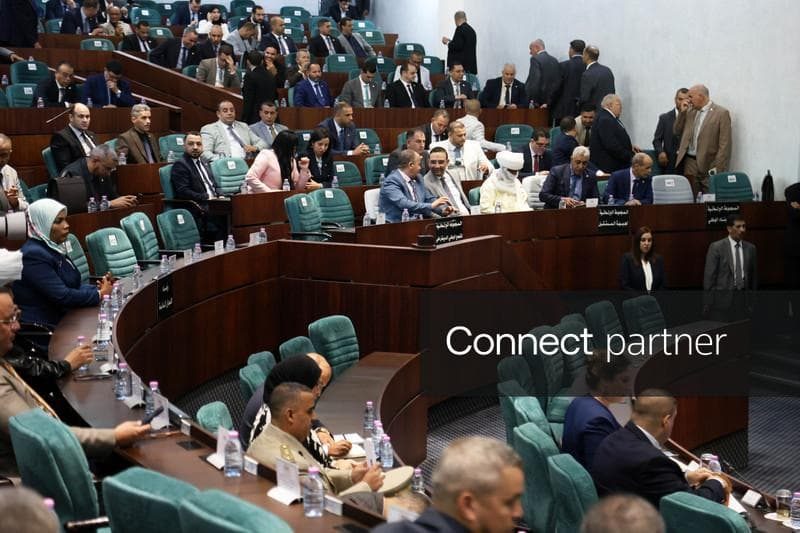
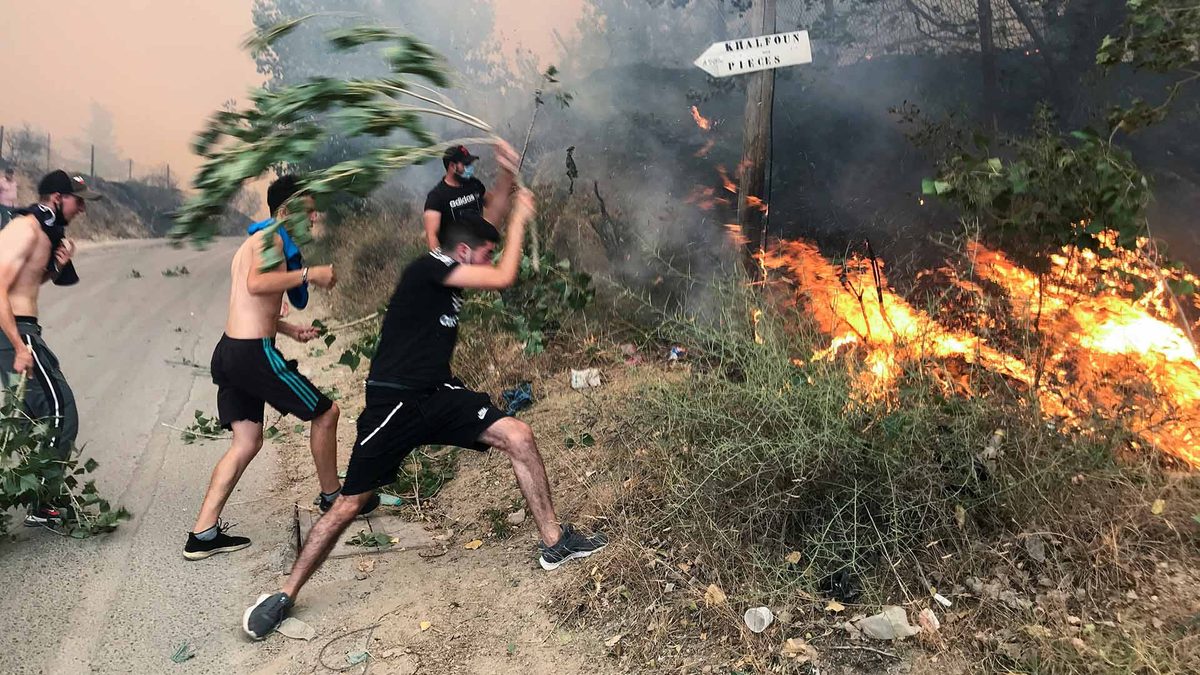
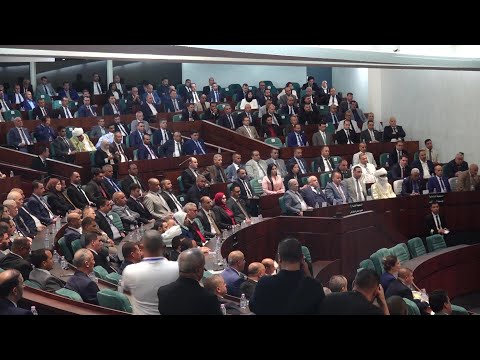
Algeria's lower house voted 307-17 to make arson a capital crime, weeks after wildfires swept the country's northeast and killed at least 12 people. Independent tallies put the death toll near 200. No one has been executed in Algeria since 1993.

The bill also makes child abduction with torture or sexual assault a capital offense, and it criminalizes incitement to arson on social media, with no mitigating circumstances allowed. It now heads to the upper house. Ratification would end three decades without an execution and reverse Algeria's votes for United Nations moratorium resolutions.

Why it matters

If ratified, the law ends Algeria's 33-year pause on executions and makes arson and online incitement capital crimes.

Questions about this story

Free account needed to ask — your question is kept and asked for you right after sign-up. Answers are public.

No questions yet — be the first to ask.

Key Indicators

12
Official wildfire death toll
Interior Ministry figure for the August fires; independent outlets report far more.
200
Independent death toll estimate
Journalist Nozha Khelalef's tally from death notices and local authorities.
307–17
Lower house vote on arson bill
People's National Assembly vote on October 1, with seven abstentions.
33
Years since last execution
No execution has been carried out in Algeria since 1993.
1,200
Forest area burned
Square kilometres of forest destroyed in the northeast, per Associated Press reporting.

Voices

Curated perspectives — historical figures and your fellow readers.

Ever wondered what historical figures would say about today's headlines?

Sign up to generate historical perspectives on this story.

People Involved

Organizations Involved

Timeline

July 2025 October 2026

5 events Latest: 3 days ago
Tap a bar to jump to that date
  1. Tebboune orders death penalty for arson

    Policy

    President instructs the justice ministry to amend the penal code within days of the fires, setting a September 15 deadline.

  2. Official death toll set at 12

    Statement

    Interior Ministry announces 12 dead; Tebboune declares three days of mourning and visits burn victims.

  3. Wildfires sweep northeastern Algeria

    Disaster

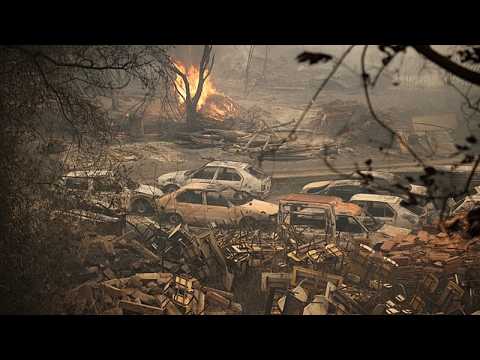
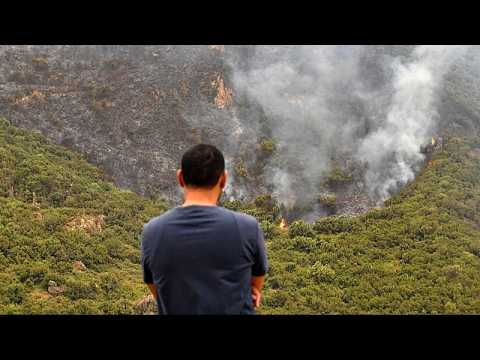
    Fires erupt across Jijel and Béjaïa during an intense heatwave, burning more than 1,200 square kilometres of forest.

  4. Death penalty widened to drug offenses

    Rule Change

    Parliament broadens capital punishment to several drug-related offenses, per Amnesty International.

Scenarios

1

Algeria carries out first execution since 1993

Likely Resolves by End of 2027

Discussed by: Amnesty International, which says the justice minister warned the press the death penalty would be applied; officials justified the bill by calling arson "organised crime" linked to foreign parties.

The Council of the Nation passes the amendments, President Tebboune ratifies them, and courts hand down death sentences for arsonists. Officials follow through on the justice minister's explicit warning and perform the country's first execution in 33 years.

2

Upper house rejects the arson death penalty bill

Unlikely Resolves by Q2 2027

Discussed by: Amnesty International, which urges the Council of the Nation to vote the amendments down; critics cite the rushed process and absence of consultation with human rights groups and lawyers.

The Council of the Nation votes against the bill, sends it back with major revisions, or lets it stall indefinitely. The de facto moratorium on executions, in place since 1993, stays intact.

3

Law ratified but executions stay on hold

Possible Resolves by End of 2028

Discussed by: Algeria's record of voting for United Nations moratorium resolutions and its three-decade pause despite courts issuing death sentences for murder; Amnesty notes courts "continue to impose death sentences" without carrying them out.

The law passes and judges sentence arsonists to death, but officials never carry out an execution. The country continues its de facto moratorium despite the legal expansion, as it has with murder convictions for decades.

Historical Context

2 moments from history that rhyme with this story — and how they unfolded.

December 2014

Pakistan lifts its execution moratorium (2014)

After Taliban gunmen killed 132 children at a school in Peshawar on December 16, 2014, Pakistan's government ended a six-year moratorium on executions. The first hanging came days later.

Then

Dozens of convicted militants were executed in the following months.

Now

Death sentences became routine again; Pakistan remains one of the world's most active executioners.

Why this matters now

Shows how a single traumatic event can break a long-standing de facto moratorium — the same dynamic Algeria is now testing with the wildfires.

July 2020

US federal executions resume (2020)

After a 17-year gap, the US federal government carried out its first execution in July 2020 under Attorney General William Barr's order. Thirteen inmates were executed before the administration left office.

Then

All thirteen executions were carried out despite court challenges.

Now

The Biden administration paused federal executions again, but the precedent of resuming them was reset.

Why this matters now

Demonstrates that a de facto moratorium can be ended by political will, even after decades without an execution.

Sources

(10)