
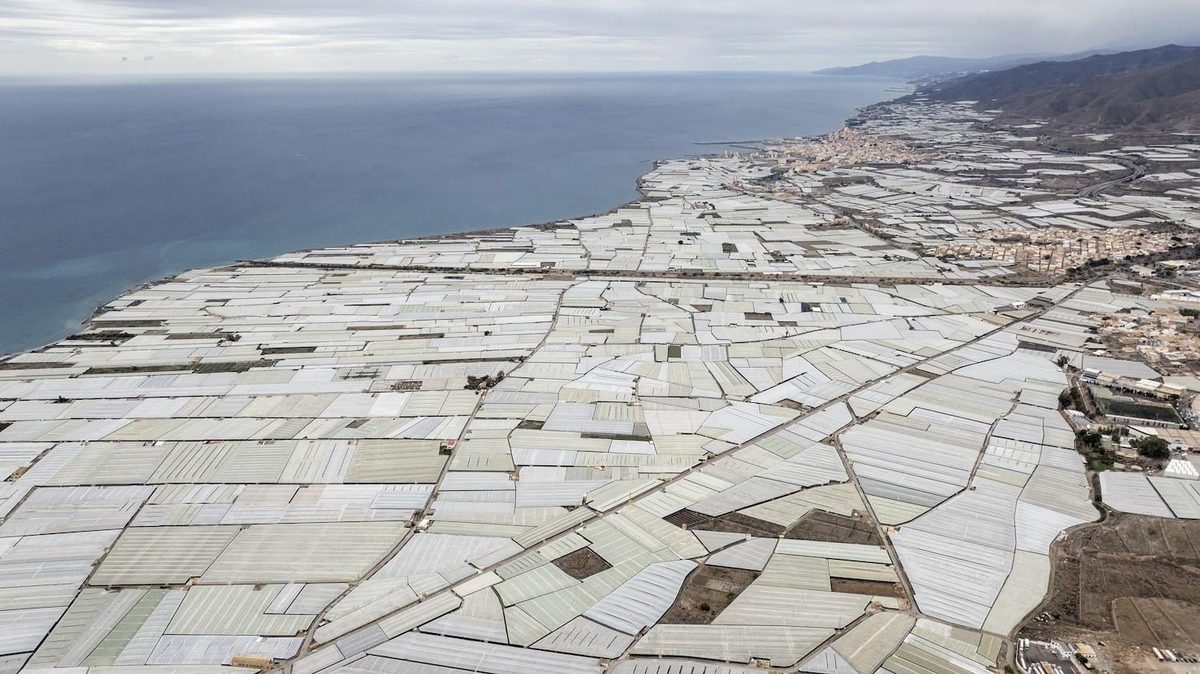
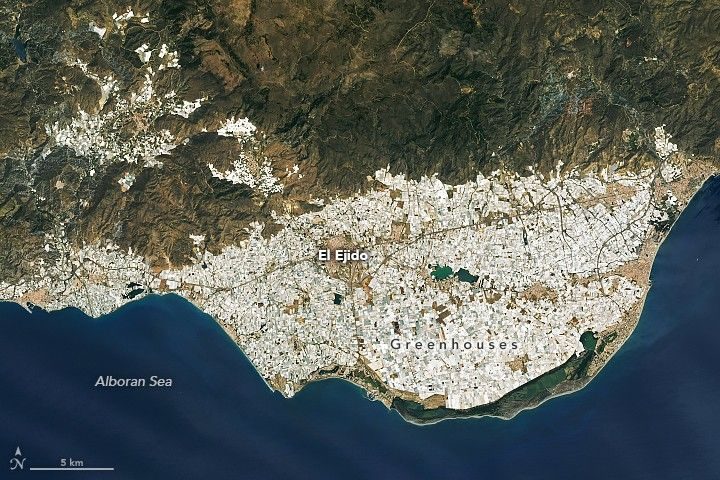
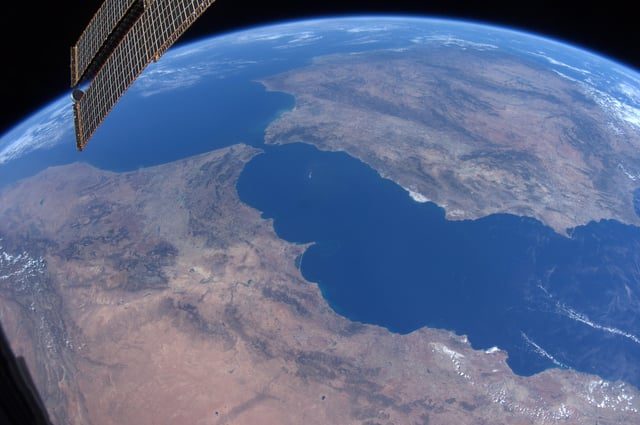
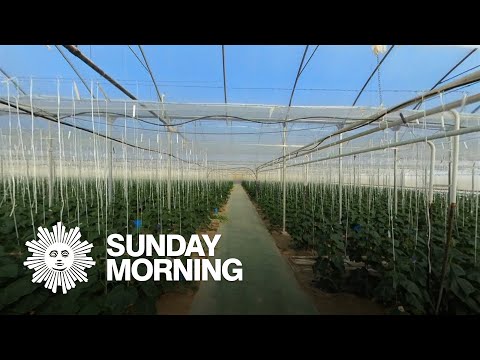
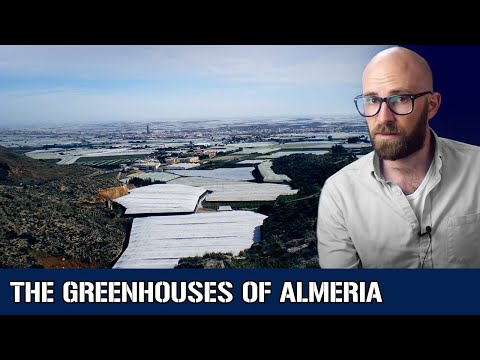
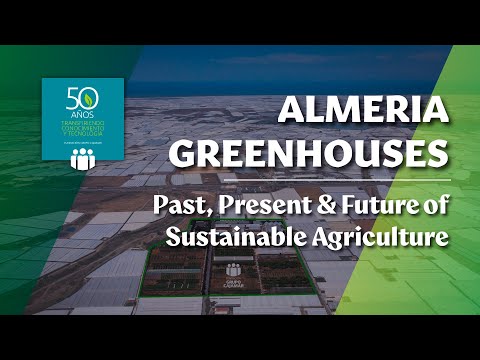
In the 1950s, the province of Almería in southeastern Spain was one of the poorest in the country — a stretch of semi-arid scrubland receiving less than 250 millimeters of rain per year. Today, more than 40,000 hectares of plastic-covered greenhouses blanket the landscape, producing over 3.5 million tons of fruits and vegetables annually and generating more than €3.7 billion in revenue. The greenhouse complex is the largest human-made structure visible from space.
The transformation represents one of the most dramatic agricultural achievements of the past century. Almería now supplies roughly half of Europe's fresh produce during winter months, feeding an estimated half a billion people. But the system that turned desert into farmland carries significant tensions: overexploited aquifers, 33,500 tons of plastic waste per year, and an estimated 100,000 migrant workers — the majority undocumented — laboring in conditions that human rights organizations have called exploitative. The story of Almería is simultaneously a story of extraordinary human ingenuity and of costs that remain unevenly distributed.