




Pull to refresh
Logo
Daily Brief
Following
Why Ranks Sign Up
Scientists map an immune-cell 'tipping point' that may decide who develops Alzheimer's dementia

Scientists map an immune-cell 'tipping point' that may decide who develops Alzheimer's dementia

New Capabilities

A brain-tissue study points to microglia, not just amyloid plaques, as the switch between resilience and decline.

Yesterday: Findings reach a wide public audience

Overview

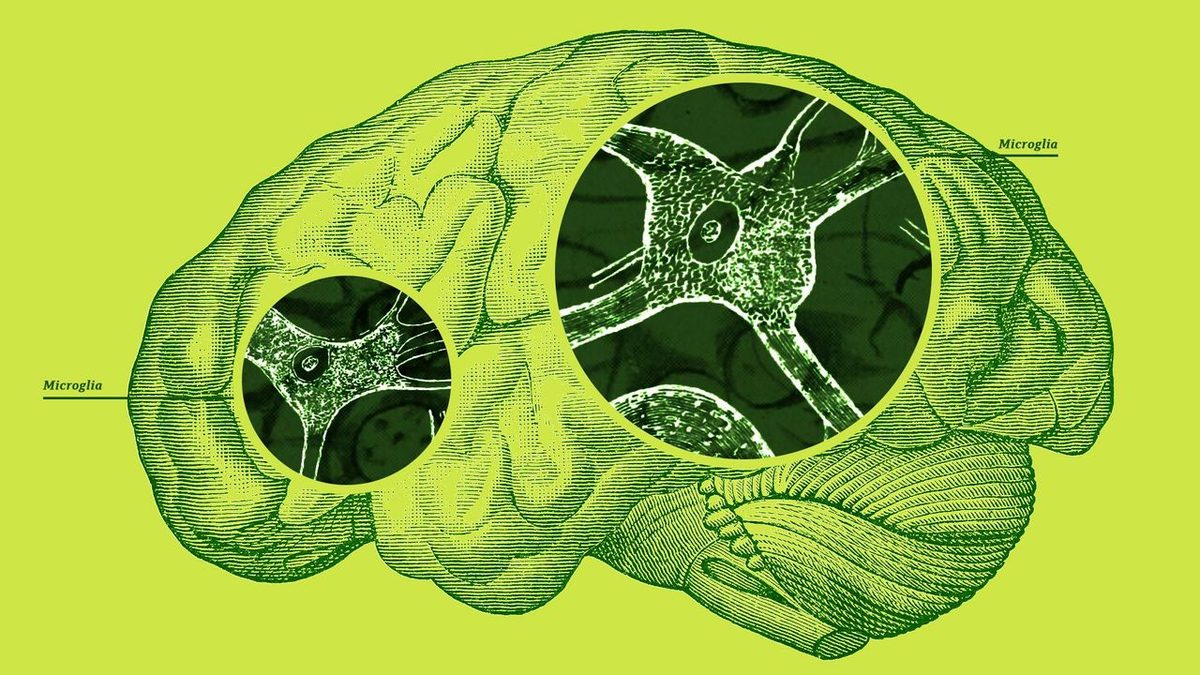
Many people carry amyloid plaques in their brains and never lose their memory. Others with similar plaques slide into dementia. A study in Nature Medicine says the difference may come down to a single switch flipped by the brain's own immune cells.

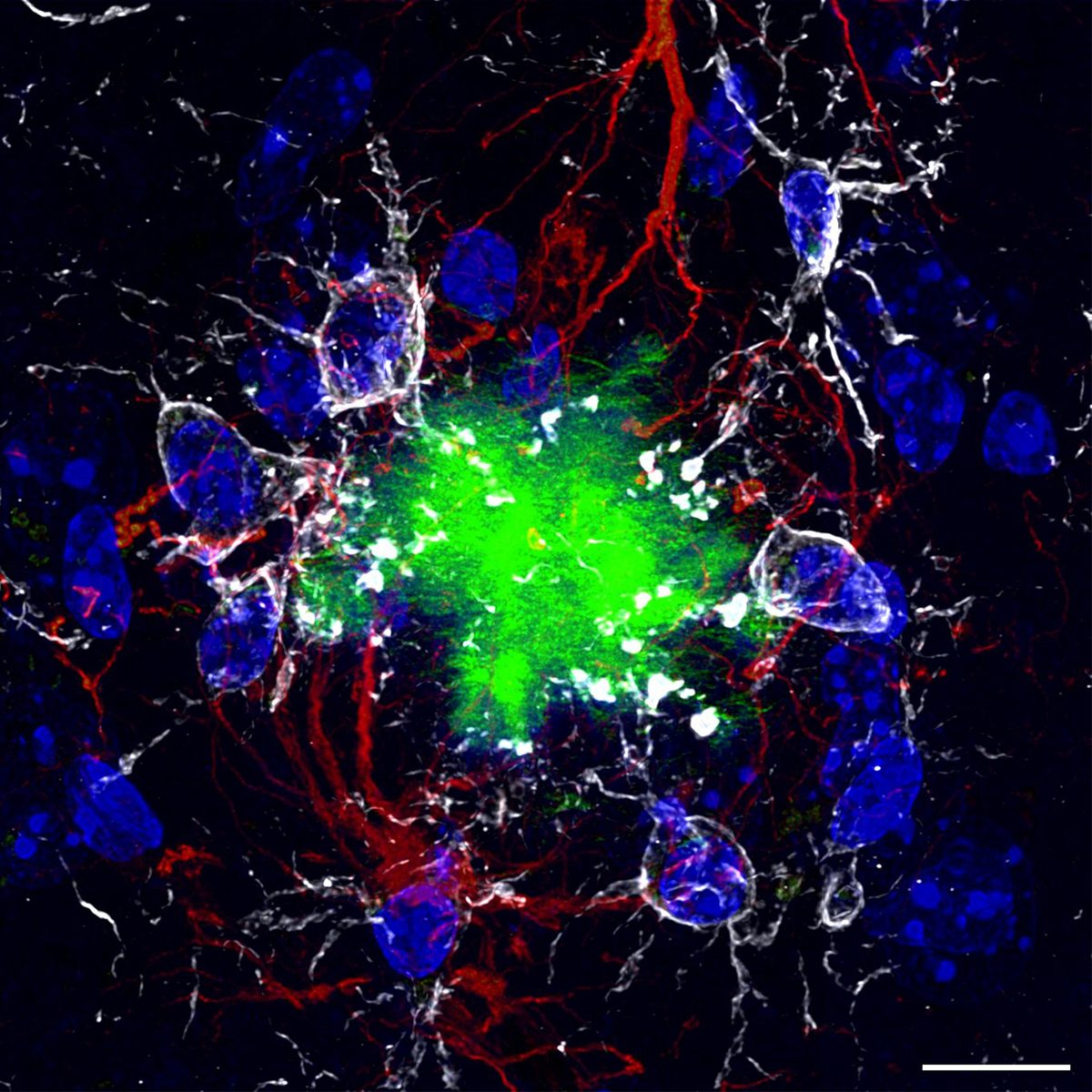
Researchers at VIB, KU Leuven, the UK Dementia Research Institute and the biotech firm Muna Therapeutics traced how microglia change behavior at the point where amyloid meets tau. That handoff gives drug developers a concrete new target: keep the brain resilient, instead of only scrubbing away plaques.

Why it matters

If microglia are the switch, future drugs could protect memory in people who already have plaques, not just clear the plaques themselves.

Questions about this story

No questions yet — be the first to ask.

Key Indicators

55M+
People living with dementia worldwide
The global population the research aims to help protect.
6
Tissue states mapped in brain samples
Distinct stages the team traced across donated brain tissue.
~30 yrs
Amyloid's reign as the main drug target
The plaque-clearing approach has dominated Alzheimer's research since the 1990s.
€2.5M
European Research Council grant
Funding for the CELLPHASE_AD project behind the work.

Voices

Curated perspectives — historical figures and your fellow readers.

Ever wondered what historical figures would say about today's headlines?

Sign up to generate historical perspectives on this story.

Play

Exploring all sides of a story is often best achieved with Play.

Log in to play. Track your picks, climb the leaderboards. Log in Sign Up
Predict 3 ways this could play out. Contrarian picks score more — points lock when the scenario resolves. Log in to play
Higher or Lower Two numbers from this story. Guess which is bigger. 5 rounds to set a streak. Log in to play
Timeline Five events from this story — drag them oldest to newest. Log in to play
Connections Sixteen names from the news. Find the four hidden groups of four. Log in to play

People Involved

Organizations Involved

Timeline

April 1992 July 2026

6 events Latest: Yesterday
Tap a bar to jump to that date
  1. Findings reach a wide public audience

    Latest Public revelation

    Science news outlets cover the tipping-point study, spotlighting microglia and TREM2 as fresh treatment targets.

  2. Study published in Nature Medicine

    Scientific milestone

    The team reports a microglial 'tipping point' where amyloid meets tau, and maps two paths to brain resilience.

  3. FDA approves donanemab

    Regulatory

    A second anti-amyloid antibody, donanemab (Kisunla), wins approval. Both drugs slow decline modestly and carry brain-swelling risks.

  4. FDA fully approves lecanemab

    Regulatory

    The U.S. Food and Drug Administration grants full approval to the plaque-clearing drug lecanemab, sold as Leqembi.

  5. TREM2 linked to Alzheimer's risk

    Scientific milestone

    Studies tie variants in the TREM2 gene, which governs microglia, to higher Alzheimer's risk. Immune cells enter the picture.

  6. Amyloid hypothesis takes hold

    Scientific milestone

    Researchers propose that amyloid-beta buildup drives Alzheimer's. It shapes drug development for the next three decades.

Historical Context

2 moments from history that rhyme with this story — and how they unfolded.

June 2021

Aducanumab's contested approval (2021)

The FDA approved the anti-amyloid drug aducanumab (Aduhelm) despite an advisory panel voting against it. Several panel members resigned in protest. The drug cleared plaques but showed unclear benefit for memory.

Then

Insurers restricted coverage and the rollout largely failed. Its maker later pulled the drug from the market.

Now

The episode hardened doubts that clearing amyloid alone reliably helps patients, opening room for other targets.

Why this matters now

The tipping-point study offers an answer to that doubt: the immune response to plaques, not the plaques alone, may decide who declines.

November 2024

TREM2 agonist AL002 misses in Phase 2 (2024)

Biotech firm Alector reported that AL002, a drug meant to boost microglia through the TREM2 pathway, failed to slow decline in its Phase 2 trial. It was one of the first big tests of directly drugging brain immune cells.

Then

Alector deprioritized the program, and enthusiasm for simple TREM2 activation cooled.

Now

The result showed that timing and the specific microglial state likely matter more than just switching immune cells on.

Why this matters now

This study suggests why blunt approaches struggle: there is a narrow window before microglia flip to a harmful state near tau.

Sources

(3)