



Pull to refresh
Logo
Daily Brief
Following
Why Ranks Sign Up
SORLA protein shown to reverse tau damage in Alzheimer's mouse models

SORLA protein shown to reverse tau damage in Alzheimer's mouse models

New Capabilities

A brain protein already known to fight amyloid also blunts tau, pointing to a new drug target

Yesterday: SORLA reverses tau damage in mice

Overview

For decades, Alzheimer's research chased plaques and tangles as things to clear away. A team in La Jolla, California took the opposite angle: boost a defense the brain already has. On July 17, 2026, they reported that raising levels of a protein called SORLA reversed tau damage in aged mice.

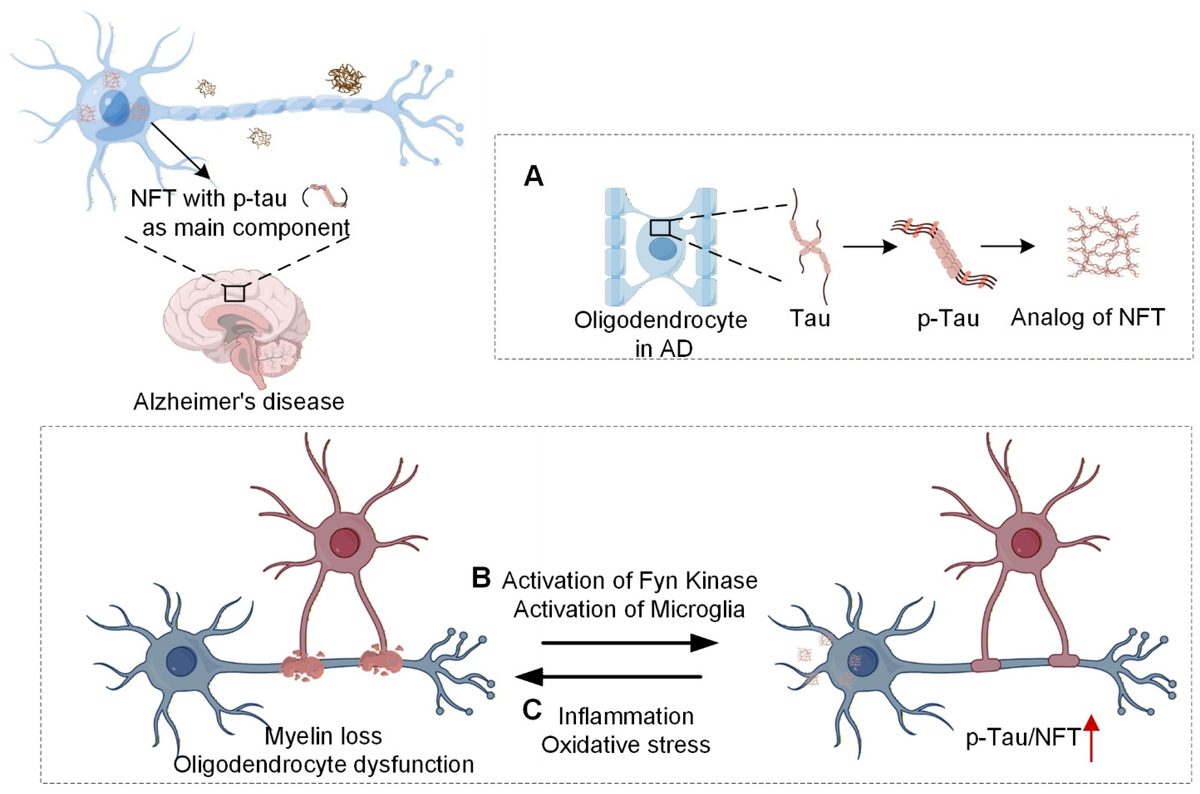
The mice carried a human mutation that fills their brains with toxic tau, the protein that forms tangles and kills neurons. Turning up SORLA cut tau buildup, restored lost connections between brain cells, and calmed inflammation. It is lab science in animals, not a drug. But it names a specific target that future treatments could aim at.

Why it matters

About 7 million Americans have Alzheimer's, and no drug yet stops it; a defense the brain already makes could point to a new kind of treatment.

Questions about this story

No questions yet — be the first to ask.

Key Indicators

P301S
Mouse model used
Aged PS19 mice carry a human tau mutation that mimics tangle disease.
$4.3M
NIH grant to the lab
Federal funding to study SORLA's protective role against tau.
~7M
Americans with Alzheimer's
The patient population a SORLA-based therapy could eventually reach.
3rd
SORL1's rank as a risk gene
Human genetics already tie the SORLA gene to Alzheimer's risk.

Voices

Curated perspectives — historical figures and your fellow readers.

Ever wondered what historical figures would say about today's headlines?

Sign up to generate historical perspectives on this story.

Play

Exploring all sides of a story is often best achieved with Play.

Log in to play. Track your picks, climb the leaderboards. Log in Sign Up
Predict 3 ways this could play out. Contrarian picks score more — points lock when the scenario resolves. Log in to play
Higher or Lower Two numbers from this story. Guess which is bigger. 5 rounds to set a streak. Log in to play
Connections Sixteen names from the news. Find the four hidden groups of four. Log in to play

People Involved

Organizations Involved

Timeline

November 2017 July 2026

3 events Latest: Yesterday
  1. SORLA reverses tau damage in mice

    Latest Research

    Sanford Burnham Prebys reports that raising SORLA levels reversed tau buildup, synapse loss, and inflammation in aged mice.

  2. Other labs link SORL1 to tau spread

    Research

    Separate work finds SORL1 can act as a receptor that helps tau seed and spread, showing the protein's role is complex.

  3. SORLA shown to curb toxic amyloid

    Research

    Huang's team reports that SORLA reduces production of amyloid beta, the protein that forms Alzheimer's plaques.

Historical Context

3 moments from history that rhyme with this story — and how they unfolded.

1993

Discovery of APOE4 as Alzheimer's risk gene (1993)

Researchers at Duke University led by Allen Roses linked the APOE4 gene variant to late-onset Alzheimer's. It became the strongest common genetic risk factor known for the disease.

Then

APOE4 testing and research exploded, reshaping how scientists thought about who gets Alzheimer's and why.

Now

Thirty years on, APOE-targeting drugs and gene therapies are finally in trials, showing how long the path runs from a gene to a treatment.

Why this matters now

SORLA's gene, SORL1, is among the top Alzheimer's risk genes after APOE. This new work is an early step on the same long road from genetics to therapy.

June 2021

Aduhelm amyloid antibody approval controversy (2021)

The Food and Drug Administration approved Aduhelm, a drug that clears amyloid plaques, over the objections of its own advisers who doubted it helped patients. Several panel members resigned.

Then

Insurers restricted coverage and the drug flopped commercially, deepening doubts about the amyloid-only approach.

Now

The episode pushed researchers to look beyond amyloid, including at tau and at the brain's own defenses.

Why this matters now

SORLA research targets tau and boosts a natural defense, reflecting the field's shift away from betting solely on clearing amyloid.

January 2023

Lecanemab becomes first drug to slow Alzheimer's (2023)

The FDA granted accelerated approval to lecanemab, sold as Leqembi, after a trial showed it modestly slowed cognitive decline by clearing amyloid. It was the first drug with clear evidence of changing the disease course.

Then

The approval renewed optimism but came with brain-swelling risks and a heavy monitoring burden.

Now

It confirmed that disease-modifying treatment is possible, raising demand for approaches that work through different mechanisms.

Why this matters now

Lecanemab proved a slow-the-disease drug can reach patients. SORLA offers a different mechanism, aimed at tau, that could complement amyloid drugs if it pans out.

Sources

(5)