

Pull to refresh
Logo
Angola's single-use plastics ban takes effect nationwide

Angola's single-use plastics ban takes effect nationwide

Rule Changes

Thin bags, straws, stirrers and plastic cotton buds are banned; a second phase targets cups and bottles in 2028

September 22nd, 2026: First phase of the ban takes effect

Overview

Updated 2 hours ago

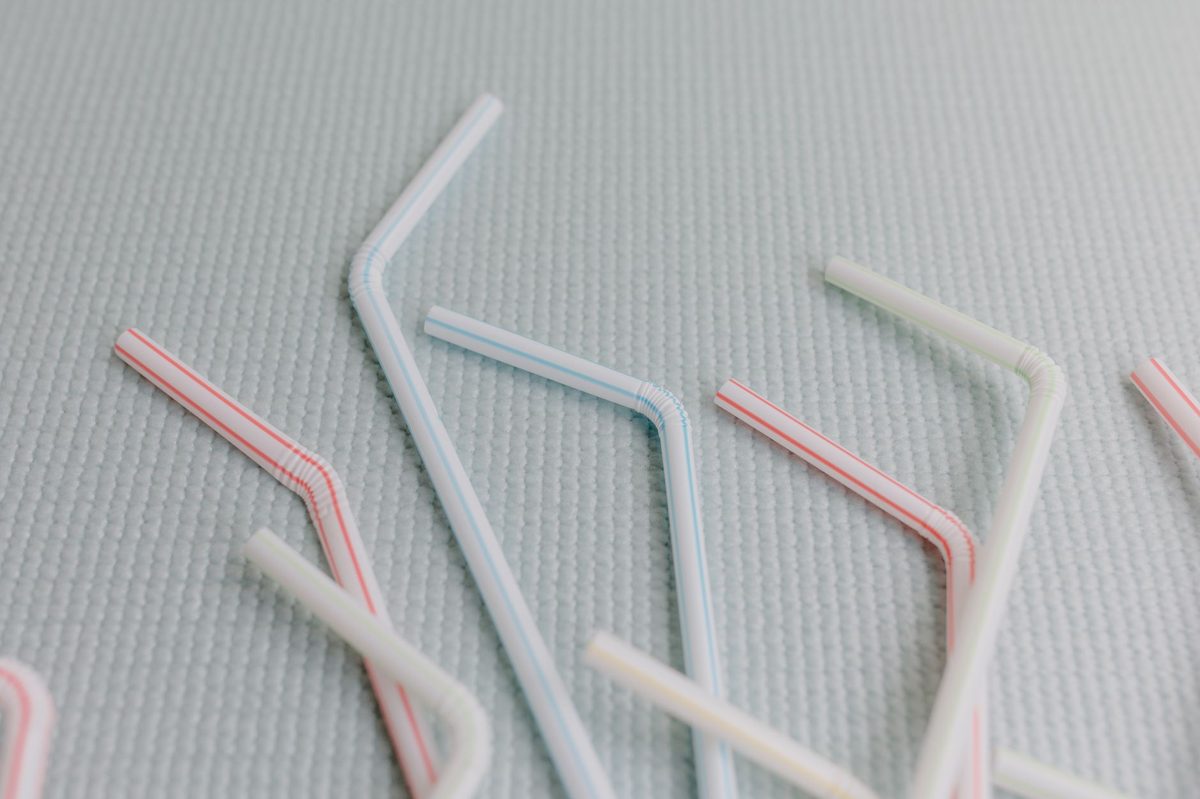
Angola banned the production, import, sale and use of plastic bags thinner than 50 microns, plastic straws, drink stirrers and plastic-stemmed cotton buds on 22 September 2026, exactly a year after President João Lourenço signed the governing decree. The same ban covers all single-use plastic on beaches, in conservation areas, at museums and on heritage sites, with companies facing fines up to about US$33,000.

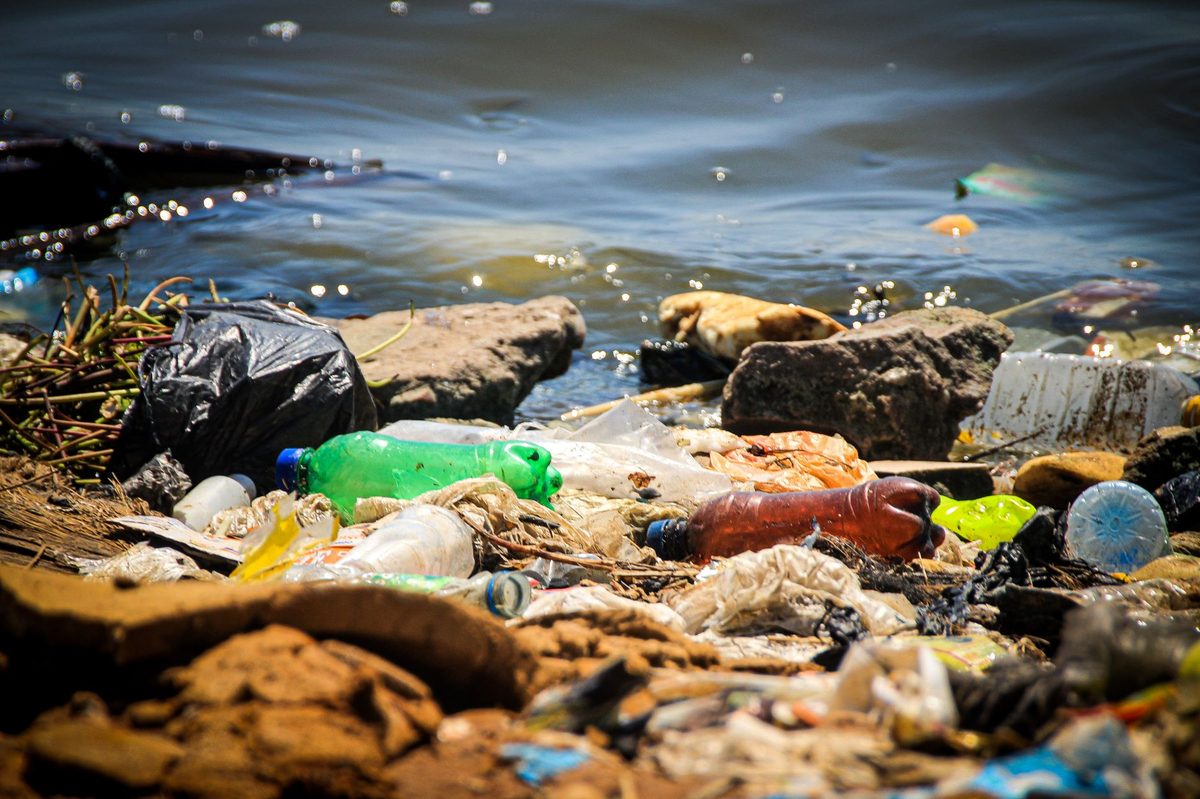
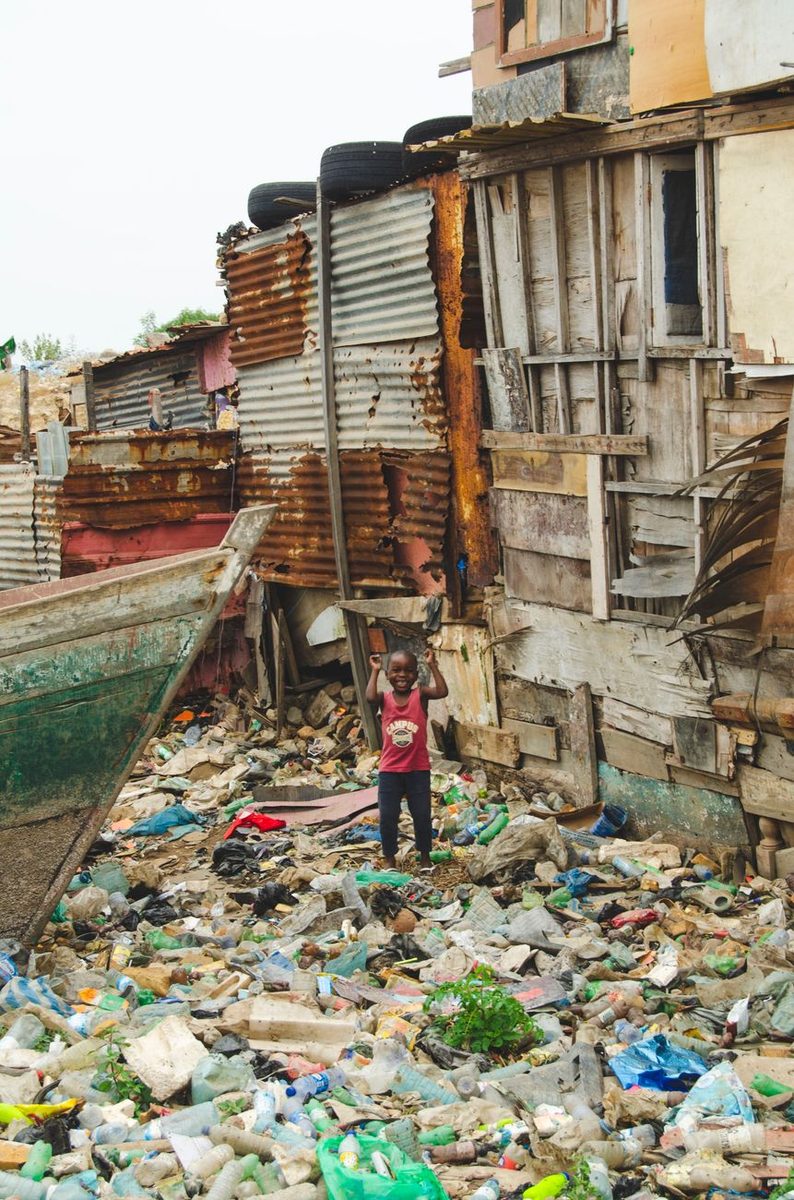
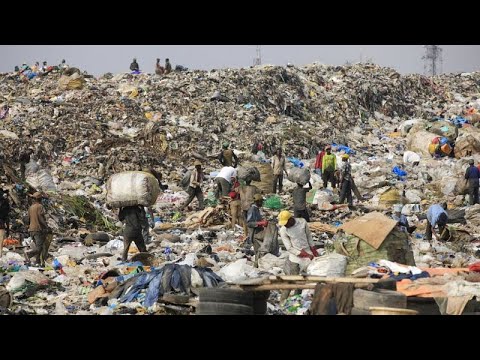
This is the first phase of a two-step rollout; a second phase in 2028 addresses expanded-polystyrene cups, non-recyclable plates, cutlery and PET bottles below 500 milliliters. Angola generates roughly 19,000 tons of waste daily, about 24% of it plastic, and recycles less than a tenth of the total — the country's limited recycling capacity is why the government says it moved.

Why it matters

Angolan traders, importers and cafés must now replace thin bags, straws and stirrers with pricier alternatives — and 2028 rules extend that to cups and bottles.

Questions about this story

Free account needed to ask — your question is kept and asked for you right after sign-up. Answers are public.

No questions yet — be the first to ask.

Key Indicators

US$33,000
Maximum corporate fine
Fines run from about US$1,100 to US$33,000 and double for repeat offenses.
50 microns
Minimum allowed bag thickness
Bags thinner than 50 microns are banned in the first phase.
24%
Plastic share of Angola's daily waste
Angola generates roughly 19,000 tons of waste per day, about 24% of it plastic.
19,000 tons/day
Daily waste generation
Angola produces roughly 19,000 tons of waste daily and recycles under 10%.

Voices

Curated perspectives — historical figures and your fellow readers.

Ever wondered what historical figures would say about today's headlines?

Sign up to generate historical perspectives on this story.

People Involved

Organizations Involved

Timeline

September 2025 September 2028

3 events Latest: September 22nd, 2026 · 1 week ago
  1. Second phase scheduled

    Upcoming Regulatory

    Ban extends to XPS cups, non-recyclable plates, cutlery and PET bottles under 500 milliliters.

  2. First phase of the ban takes effect

    Latest Regulatory

    Bags under 50 microns, straws, stirrers and plastic cotton buds are banned; single-use plastic is barred from beaches and conservation areas.

Scenarios

1

Angola's second-phase plastics ban arrives on schedule

Likely Resolves by Sep 22, 2028

Discussed by: Angolan government and environment ministry

If the first phase holds, the ban extends in September 2028 to expanded-polystyrene cups, non-recyclable plates, cutlery and PET bottles under 500 milliliters. Producers and importers get the same 12-month notice built into the decree, so the transition path is already fixed.

2

Banned thin bags persist in Angola's street markets

Possible Resolves by Sep 22, 2027

Discussed by: Vladimir Russo; small traders

Thin bags remain common in informal markets because municipal inspection is uneven and affordable alternatives cost more. Russo wants education-first enforcement, while ANIESA's reach is limited largely to registered firms. If municipal administrations lack staffing, the ban's visibility drops.

3

Retailers and producers absorb the ban with compliant alternatives

Likely Resolves by Mar 22, 2027

Discussed by: Iury Santos; Angolan environment ministry

Most producers adapt without changing production lines: bag makers raise thickness above 50 microns, and cafés switch to paper or durable straws. The decree requires businesses to offer reusable, biodegradable or compostable alternatives, and Santos says most production lines need no alteration.

Historical Context

3 moments from history that rhyme with this story — and how they unfolded.

2008

Rwanda's plastic bag ban (2008)

Rwanda banned the manufacture, use and sale of plastic bags in 2008, enforcing it with police checks at markets and borders. The capital, Kigali, became widely cited for its unusually clean streets.

Then

Carriers of bags could face fines, and enforcement was visible at roadblocks and border crossings.

Now

Rwanda's law became the model other African nations point to when introducing their own bag bans.

Why this matters now

Shows that a strict African bag ban can become normal if enforcement is steady and alternatives are available.

August 2017

Kenya's plastic bag ban (2017)

Kenya enacted one of the world's strictest plastic bag bans in August 2017, threatening producers and importers with fines up to about US$38,000 and prison terms up to four years.

Then

The ban triggered industry opposition and an initial enforcement scramble, but thin-bag use dropped sharply in Nairobi within a year.

Now

Kenya is the benchmark for heavy-deterrence bag bans in Africa; several neighbors copied it.

Why this matters now

Angola's fine structure, up to roughly US$33,000, mirrors Kenya's approach of using high penalties to make non-compliance unattractive.

2019, enforced from July 2021

EU Single-Use Plastics Directive (2019)

The European Union banned single-use cutlery, plates, straws, stirrers, balloon sticks and cotton buds, listing the items explicitly and requiring member states to transpose the directive into national law by July 2021.

Then

The ban targeted the ten most common beach-litter items, with enforcement left to member states.

Now

The EU's item-by-item approach became a template for other governments.

Why this matters now

Angola's decree uses the same logic — a listed set of items and a phase-in — but fits it to a national timetable.

Sources

(9)