

Pull to refresh
Logo
NSW planning commission approves biggest coal mine project in its history

NSW planning commission approves biggest coal mine project in its history

Built World

Hunter Valley Operations can run to 2045; federal environmental approval still pending

2 days ago: IPC approves HVO continuation to 2045

Overview

Updated 1 hour ago

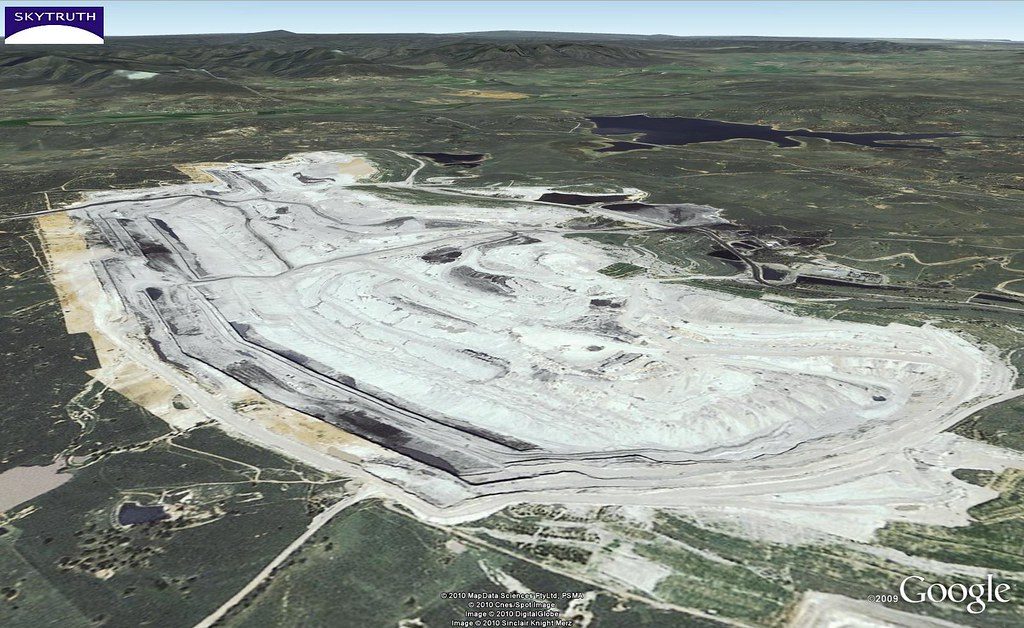
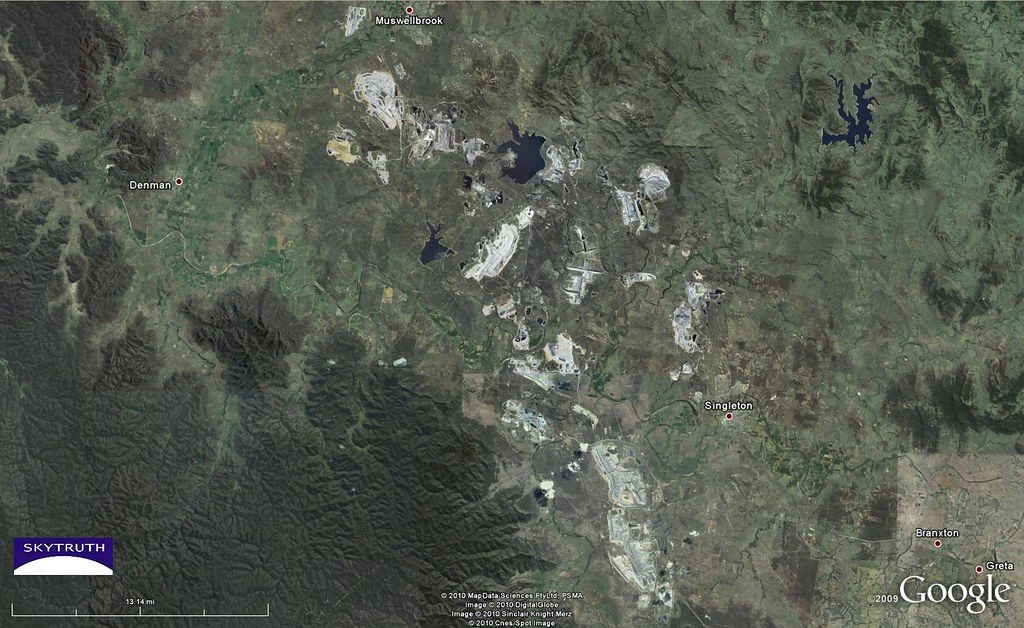
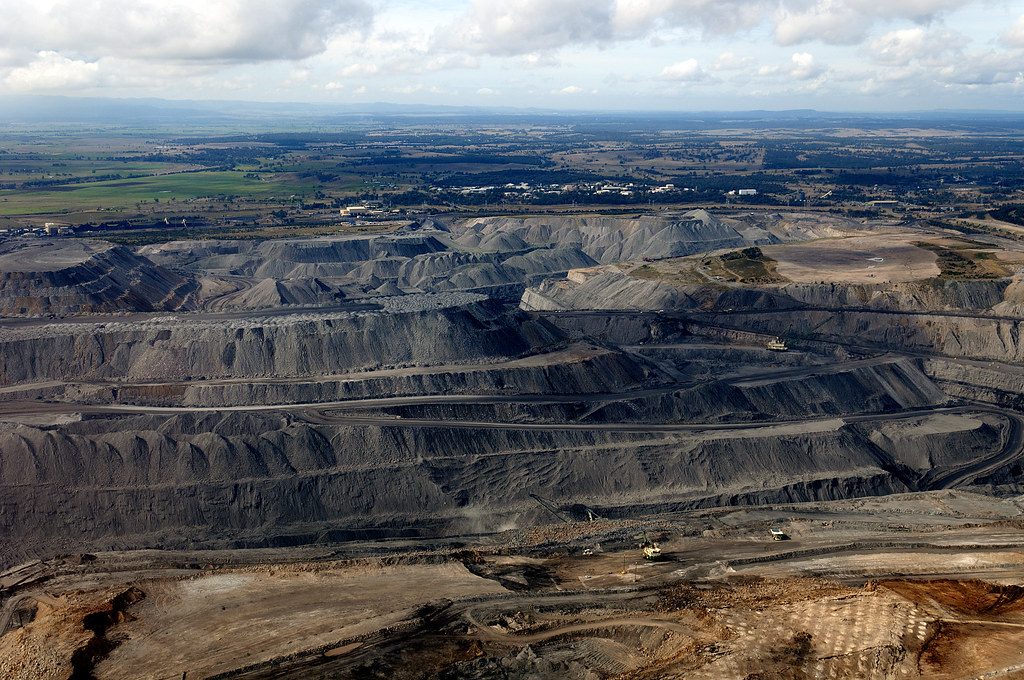
New South Wales' independent planning commission approved the largest coal mine extension in its history on September 30, letting the Hunter Valley Operations complex near Singleton keep mining until 2045. The mine was scheduled to close in December, putting about 1,500 jobs at risk.

Commissioners acknowledged the project would release roughly 809 million tonnes of greenhouse gases, about 98 percent from burning coal overseas, but said an estimated $5.69 billion in economic benefits outweighed those impacts. Climate groups called it a betrayal. Federal approval under national environment law is still pending.

Why it matters

If federal approval follows, NSW keeps exporting coal past its own climate targets, testing whether emissions law and coal expansion can coexist.

Questions about this story

Free account needed to ask — your question is kept and asked for you right after sign-up. Answers are public.

No questions yet — be the first to ask.

Key Indicators

809M t
Projected greenhouse gas emissions
Total emissions from mining and overseas coal combustion over the project's life.
429M t
Coal to be extracted
Extraction planned across HVO's North and South open-cut sites through 2045.
1,500
Jobs supported by the mine
The mine also engages over 800 suppliers and injects more than $1 billion annually into the economy.
$5.69B
Net economic benefit to NSW
Estimated state benefit over the project's life, with $1.78 billion to the Lower Hunter region.
98%
Share of emissions from overseas coal burning
Scope 3 emissions from combustion in importing countries dominate the project's climate footprint.

Voices

Curated perspectives — historical figures and your fellow readers.

Ever wondered what historical figures would say about today's headlines?

Sign up to generate historical perspectives on this story.

People Involved

Organizations Involved

Timeline

January 2022 September 2026

6 events Latest: 2 days ago
Tap a bar to jump to that date
  1. IPC approves HVO continuation to 2045

    Latest Decision

    Commission approves extension, citing economic benefits over emissions impacts. Climate groups call it a betrayal. Federal EPBC Act approval still required.

  2. IPC holds three-day public hearing

    Hearing

    Commission receives 10,576 written submissions and 129 verbal submissions on the HVO proposal.

  3. NSW publishes Coal Industry 2026-50 plan

    Policy

    Coal plan allows extending existing mines but ends applications for new greenfield coal projects.

  4. Last-minute extension keeps mine open to December

    Regulatory

    NSW grants temporary extension allowing HVO to keep operating through 2026 while assessment continues.

  5. HVO lodges continuation application

    Application

    Hunter Valley Operations submits proposal to extend mining at its North and South sites beyond 2026.

Scenarios

1

Federal government approves Hunter Valley extension under EPBC Act

Likely Resolves by Q2 2027

Discussed by: NSW government; mining industry analysts

The federal environment minister must approve the project under the Environment Protection and Biodiversity Protection Conservation Act. Given the state-level approval, the project's economic weight, and the fact that the federal Safeguard Mechanism covers less than 2 percent of total emissions, approval with conditions matching the state's is the most likely path. Such approval would clear the final regulatory hurdle.

2

Federal minister rejects Hunter Valley extension

Unlikely Resolves by Q2 2027

Discussed by: Climate groups; NSW Net Zero Commission

The minister could refuse approval on climate grounds, or impose conditions that make the project uneconomic. The Net Zero Commission's advice that such extensions breach Australia's Paris commitments gives legal and political cover for rejection. But the political cost of killing 1,500 jobs in a coal region makes rejection a long shot.

3

High Court overturns scope-3 emissions ruling

Possible Resolves by Oct 31, 2026

Discussed by: Legal commentators

The NSW Court of Appeal ruled in 2025 that the IPC must weigh emissions from burning coal overseas when assessing projects. The High Court is considering an appeal, with a decision expected in early October 2026. Overturning that ruling would remove the main legal basis for considering overseas emissions in future NSW mining approvals, making extensions easier to approve.

Historical Context

2 moments from history that rhyme with this story — and how they unfolded.

2010-2022

Adani Carmichael coal mine (2010s)

The Adani Group's proposed coal mine in Queensland's Galilee Basin won state and federal approval in the mid-2010s after years of court challenges over groundwater and climate impacts. First coal was shipped in late 2021, at a fraction of the project's originally planned size.

Then

The mine began limited production, but years of legal resistance forced Adani to sharply scale back its ambitions.

Now

Showed that major Australian coal projects can survive legal and political opposition, but that opposition can reshape their scale.

Why this matters now

Like HVO, a giant Australian coal project approved despite climate objections. Unlike HVO, Carmichael was a new mine; HVO extends an existing operation in a region already dependent on coal jobs.

March 2017

Hazelwood power station closure (2017)

Victoria's Hazelwood coal-fired power station, among Australia's most polluting, closed in March 2017, eliminating about 750 jobs in the Latrobe Valley town of Morwell.

Then

Job losses and a regional economic downturn followed, prompting state and federal transition packages.

Now

Became a national reference point for the social and political cost of closing coal facilities in regional Australia.

Why this matters now

HVO's approval is partly a response to the same fear: closing coal operations in regional towns carries heavy economic and political costs that governments are reluctant to bear.

Sources

(7)