
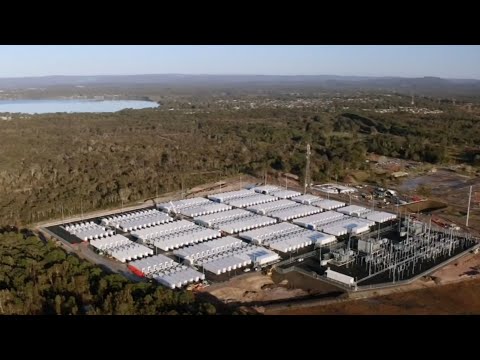

Hydrostor's Silver City compressed-air storage plant clears final regulatory hurdle in Australia
Built World200 MW project at Broken Hill gets AEMO and Transgrid sign-off on path to construction
2 days ago: Grid connection approval grantedNew here? Follow stories to track developments over time. Create a free account to get updates when stories you care about change.
Overview
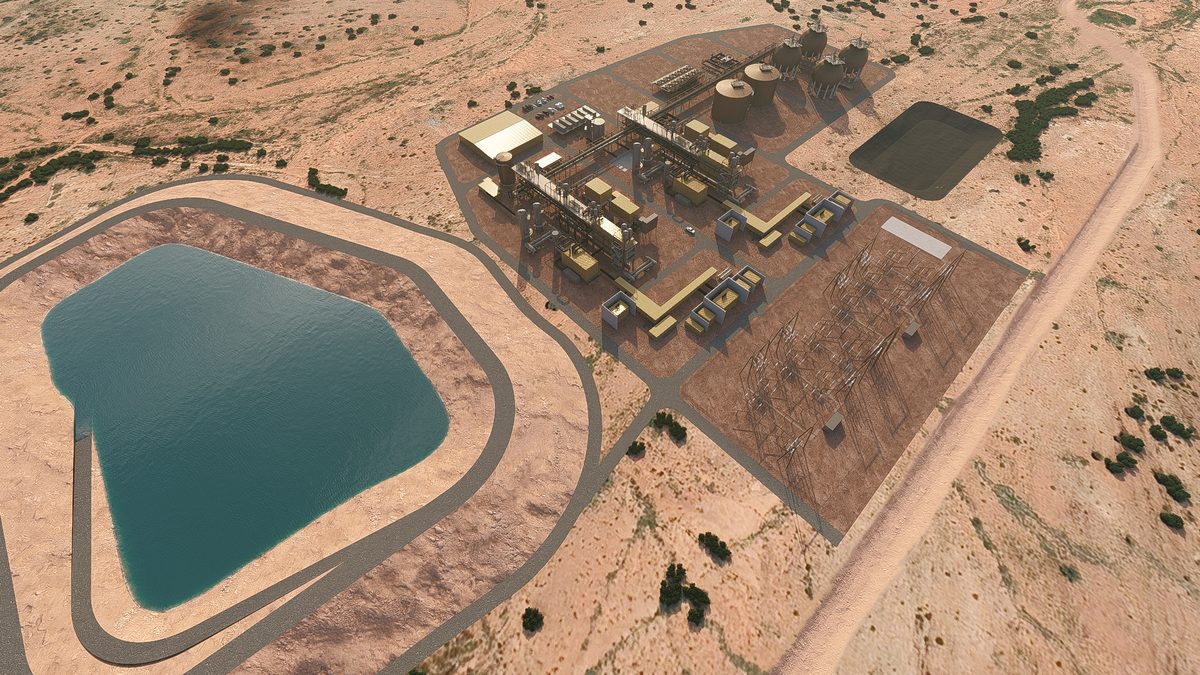
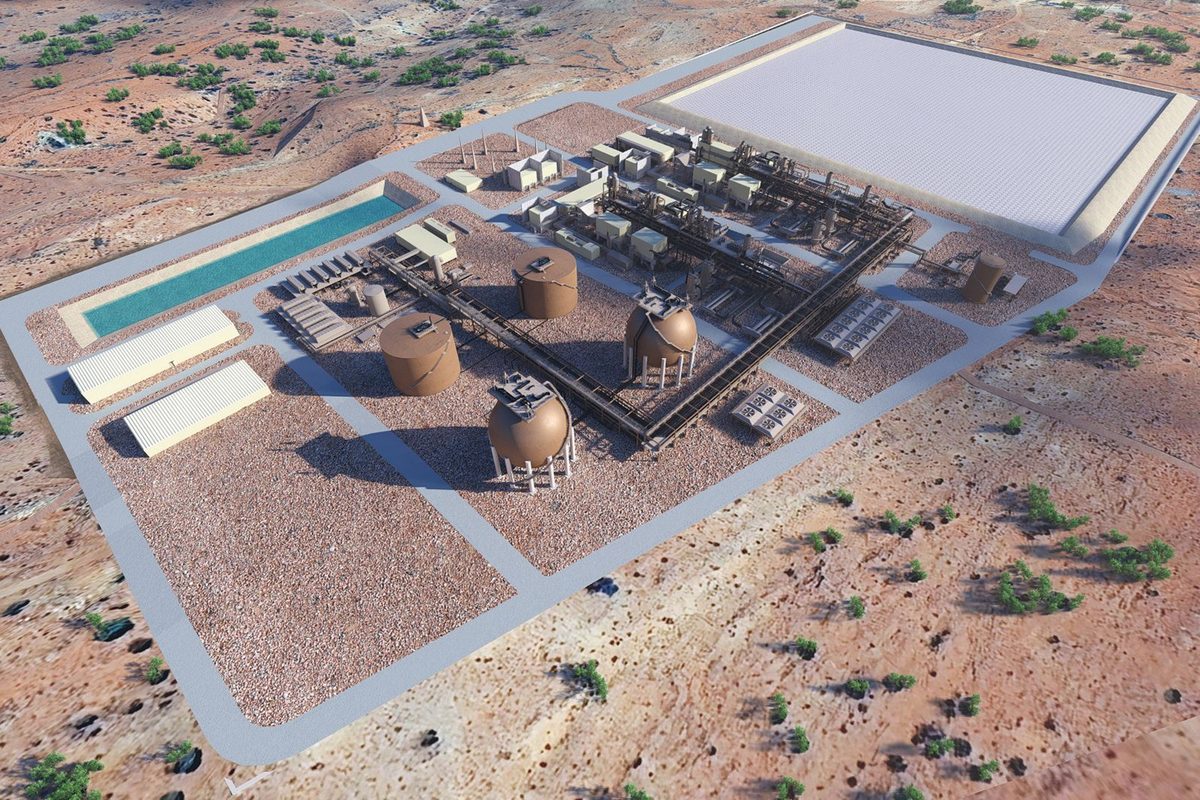
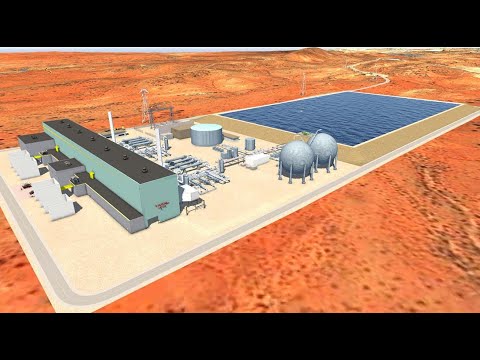
Updated 1 hour agoBroken Hill has kept its lights on during grid outages with diesel generators nearing retirement. That backup is about to take a new form: Hydrostor received grid connection approval in early September for a 200-megawatt compressed-air storage plant built into disused mine caverns next to town.
The approval from the Australian Energy Market Operator (AEMO) and Transgrid confirms Silver City meets the grid's generator performance standards. It was the last major regulatory gate before construction. The plant stores 1,600 megawatt-hours, enough to supply about 80,000 homes for a day, with 250 megawatt-hours reserved for backup during network failures.
Compressed-air storage works like a mechanical battery. Excess electricity compresses air into underground caverns; releasing the air spins a turbine that generates power. If Silver City works at scale, it could become a template for long-duration storage in places where pumped hydro isn't practical.
Why it matters
Australia's first utility-scale compressed-air battery replaces aging outback diesel generators and tests whether the technology can reach a 7 GW global pipeline.
Questions about this story
Free account needed to ask — your question is kept and asked for you right after sign-up. Answers are public.
No questions yet — be the first to ask.
Key Indicators
Voices
Curated perspectives — historical figures and your fellow readers.
Play
Exploring all sides of a story is often best achieved with Play.
Higher or Lower
A number from this story, against one from elsewhere in the news — guess which is bigger, then keep the chain going. 5 rounds, 3 strikes; a miss costs a strike and resets your streak.
Keyboard: ↓/L lower · ↑/H higher
0 points — sign up to put that on the leaderboard.
Timeline
Order five events from this story, oldest at top. Each in the right slot scores 1 — neighbours within one slot count too. Your previous result — green ✓ for exact slots, yellow ~ for off by one. Cards now in true chronological order.
Sign up to save your score and track a streak across stories.
Connections
Sixteen names from the news. Find the four hidden groups of four. Four mistakes max.
Sign up to keep a daily streak — a new puzzle lands every day.
Exit debate?
Your progress in this debate will be lost.
- 1 Two AI personas square off on this story.
- 2 You predict who'll win each round — correct picks earn XP.
- 3 One crossfire question is yours to fire. Pick it carefully.
Couldn't generate a topic
Select Your Champions
Choose one persona for each side of the debate
DEBATE TOPIC
Choose personas with different perspectives for a more dynamic debate.
Select debater for this side:
No debate personas available right now.
Select debater for this side:
No debate personas available right now.
Who's Got This Round?
Make your prediction before the referee scores
The referee scores both sides on
Round Results
Set the Crossfire
Pick the question both personas must answer in the final round
Debate Oracle! You called every round!
Sharp Instincts! You know your debaters!
The Coin Flip Strategist! Perfectly balanced!
The Contrarian! Bold predictions!
Inverse Genius! Try betting the opposite next time!
XP Breakdown
Prediction History
People Involved
Organizations Involved
Toronto-based developer of Advanced Compressed Air Energy Storage systems.
Runs the National Electricity Market covering eastern and southern Australia.
Operates the high-voltage transmission network in New South Wales and the ACT.
Funds demonstration projects for technologies that need scale to reach commercial viability.
Timeline
December 2023 September 2026
-
Grid connection approval granted
Latest RegulatoryAEMO and Transgrid confirm Silver City meets Generator Performance Standards, clearing the final regulatory hurdle before construction.
-
Amended consent conditions finalized
RegulatoryHydrostor accepts light and noise monitoring conditions. Project scope unchanged; the court process concludes.
-
Court upholds light and noise appeal
LegalThe Land and Environment Court rules on an appeal by tourism operator Outback Astronomy, adding consent conditions on light and noise compliance reporting.
-
NSW approves Silver City development application
RegulatoryThe state planning department approves the 200 MW / 1,600 MWh project at Potosi Mine, clearing the construction path.
-
Transgrid selects Silver City as preferred backup for Broken Hill
AgreementTransgrid names Silver City preferred supplier, with 50 MW and 250 MWh reserved for networ outages. Hydrostor also signs a binding cavern-use deal with miner Perilya.
Historical Context
3 moments from history that rhyme with this story — and how they unfolded.
Huntorf CAES Plant (1978)
Germany built the world's first commercial compressed-air storage plant near Bremen. It stored 290 MW of off-peak power as compressed air in two salt caverns and released it to meet peak demand within minutes.
The plant proved CAES could work commercially and has supplied the northwest German grid for almost five decades.
No large-scale compressed-air plant followed for 13 years; the technology stayed niche while gas turbines were cheap.
Silver City is the first modern attempt to deploy CAES at utility scale with advanced heat recovery that Huntorf lacked.
McIntosh CAES Plant (1991)
Alabama's PowerSouth utility commissioned the world's second compressed-air storage plant, a 110 MW facility in McIntosh. It added a recuperator that recaptured exhaust heat, making the cycle more efficient than Huntorf's design.
The plant ran reliably for over three decades and still operates today.
It remained the last commercial CAES plant until Silver City; the technology never spread despite proven reliability.
Silver City's advanced design addresses the efficiency gap that kept earlier CAES plants from scaling beyond two installations.
Hornsdale Power Reserve (2017)
Tesla installed a 100 MW / 129 MWh lithium-ion battery next to a South Australian wind farm in under four months, after a statewide blackout the year before. It was the world's largest installed battery at the time.
Hornsdale transformed grid reliability in South Australia and paid back its capital within a year through frequency control services.
It triggered a wave of battery deployments across Australia and proved storage could compete with fossil-fuel peaking plants.
Silver City is being watched the same way Hornsdale was: as a test of whether a new storage technology can deliver reliability and economics together.
