




Pull to refresh
Logo
Daily Brief
Following
Why Ranks Sign Up
Argentina cuts its meal tax to revive a shrinking restaurant sector

Argentina cuts its meal tax to revive a shrinking restaurant sector

Rule Changes

The government trims value-added tax on restaurant bills after menu prices roughly doubled in a year and thousands of hospitality jobs vanished.

December 5th, 2024: Argentina cuts VAT on restaurant meals

Overview

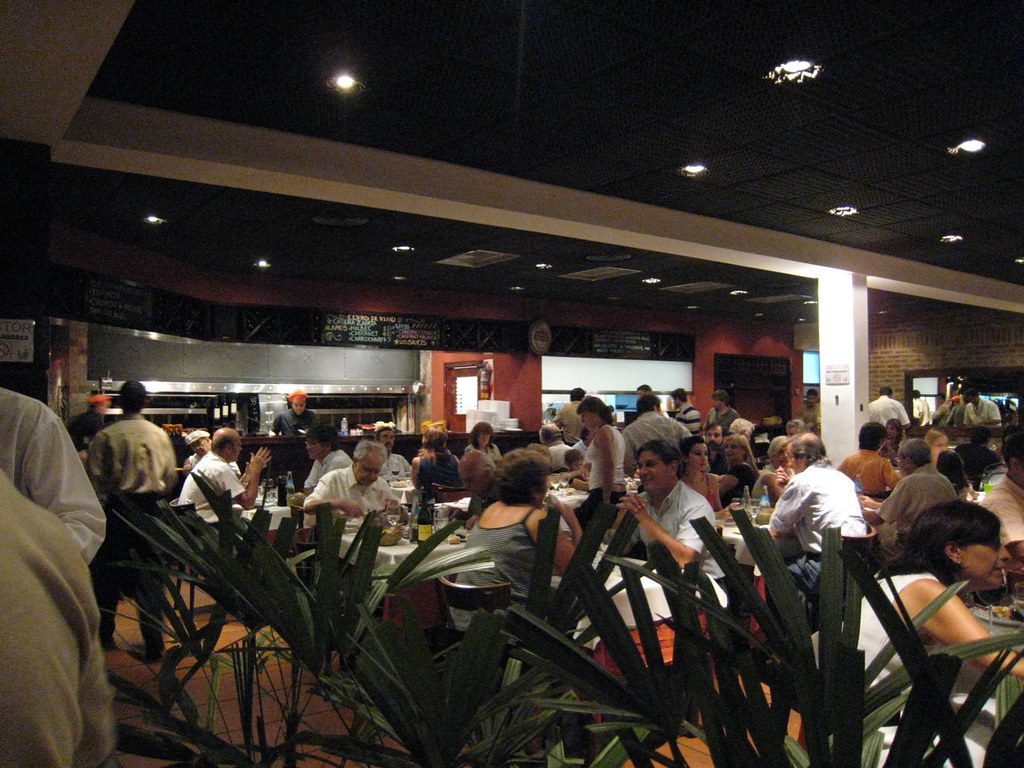
Eating out in Buenos Aires got about twice as expensive in a single year. On December 5, 2024, Argentina's government cut the value-added tax charged on restaurant meals to pull menu prices back down.

The value-added tax, or VAT, is a sales surcharge added to nearly every purchase. On restaurant bills it runs at the full 21%. Trimming it lowers the price of every plate and drink, a test of whether cheaper menus can refill empty tables in a sector that shed more than 10,000 jobs.

Why it matters

A lower meal tax means cheaper menus for millions of Argentines and a lifeline for a hospitality sector losing jobs as diners stay home.

Questions about this story

No questions yet — be the first to ask.

Key Indicators

21%
Standard VAT on meals
The full value-added tax rate applied to restaurant bills before the cut.
~100%
Restaurant price rise in a year
Menu prices climbed roughly twice as fast as grocery prices.
10,000+
Hospitality jobs lost
Restaurant and hotel jobs cut since Milei took office.
20%
Drop in foreign tourism
Fewer overseas visitors than in 2023 as the peso strengthened.

Voices

Curated perspectives — historical figures and your fellow readers.

Ever wondered what historical figures would say about today's headlines?

Sign up to generate historical perspectives on this story.

Play

Exploring all sides of a story is often best achieved with Play.

Log in to play. Track your picks, climb the leaderboards. Log in Sign Up
Predict 3 ways this could play out. Contrarian picks score more — points lock when the scenario resolves. Log in to play
Higher or Lower Two numbers from this story. Guess which is bigger. 5 rounds to set a streak. Log in to play
Connections Sixteen names from the news. Find the four hidden groups of four. Log in to play

People Involved

Organizations Involved

Timeline

December 2023 December 2024

6 events Latest: December 5th, 2024 · 2 years ago
Tap a bar to jump to that date
  1. Argentina cuts VAT on restaurant meals

    Latest Policy

    The government lowers the value-added tax charged on meals to reduce menu prices and support restaurants.

  2. Restaurant sector sounds the alarm

    Statement

    FEHGRA reports hospitality falling twice as fast as the economy and asks the government for tax relief.

  3. ARCA replaces the old tax agency

    Policy

    The government dissolves AFIP and stands up ARCA as the new revenue and customs authority.

  4. Strong peso makes dining out costly

    Economic

    The peso gains against the dollar. Restaurant prices climb about 100% in a year as diners retreat.

  5. 'Compre sin IVA' refund program ends

    Policy

    The government lets a VAT-refund scheme lapse, removing one form of consumer relief.

  6. Milei takes office, austerity begins

    Policy

    A new government launches spending cuts and subsidy removals to fight inflation.

Historical Context

3 moments from history that rhyme with this story — and how they unfolded.

April 1991 - January 2002

Argentina's Convertibility era (1991-2001)

Argentina pegged the peso one-to-one to the U.S. dollar to kill hyperinflation. The strong peso made Buenos Aires costly for tourists and locals alike, straining dining and travel. The peg ended in a 2001-2002 default and devaluation.

Then

Inflation fell sharply, but exports and tourism grew uncompetitive and unemployment rose.

Now

The peg's collapse triggered a banking crisis and one of the largest sovereign defaults in history.

Why this matters now

A strong peso again makes Argentina expensive and squeezes dining out. The current story tests softer tools, like tax cuts, before pressure builds.

July 2011

Ireland's hospitality VAT cut (2011)

During its debt crisis, Ireland cut VAT on restaurants, hotels, and tourism from 13.5% to 9% to protect jobs. The measure was pitched as a targeted stimulus for a labor-heavy sector.

Then

Tourism operators reported lower prices and steadier bookings through the downturn.

Now

Studies credited the cut with supporting tens of thousands of jobs; the rate later rose again as the economy recovered.

Why this matters now

Ireland shows the mechanism Argentina is now trying: a sector-specific VAT cut used to defend hospitality jobs during a slump.

July 2020

Germany's restaurant VAT cut (2020)

To help restaurants survive the pandemic, Germany cut VAT on prepared meals from 19% to 7%. The reduced rate was extended several times as the sector struggled with closures.

Then

Restaurants gained pricing room during lockdowns and reopenings.

Now

The cut ended in January 2024, and industry groups warned the return to the full rate would raise menu prices.

Why this matters now

Germany shows both sides of the tool: a meal-tax cut can cushion a downturn, but restoring the rate later raises prices, the risk in scenario two.

Sources

(6)