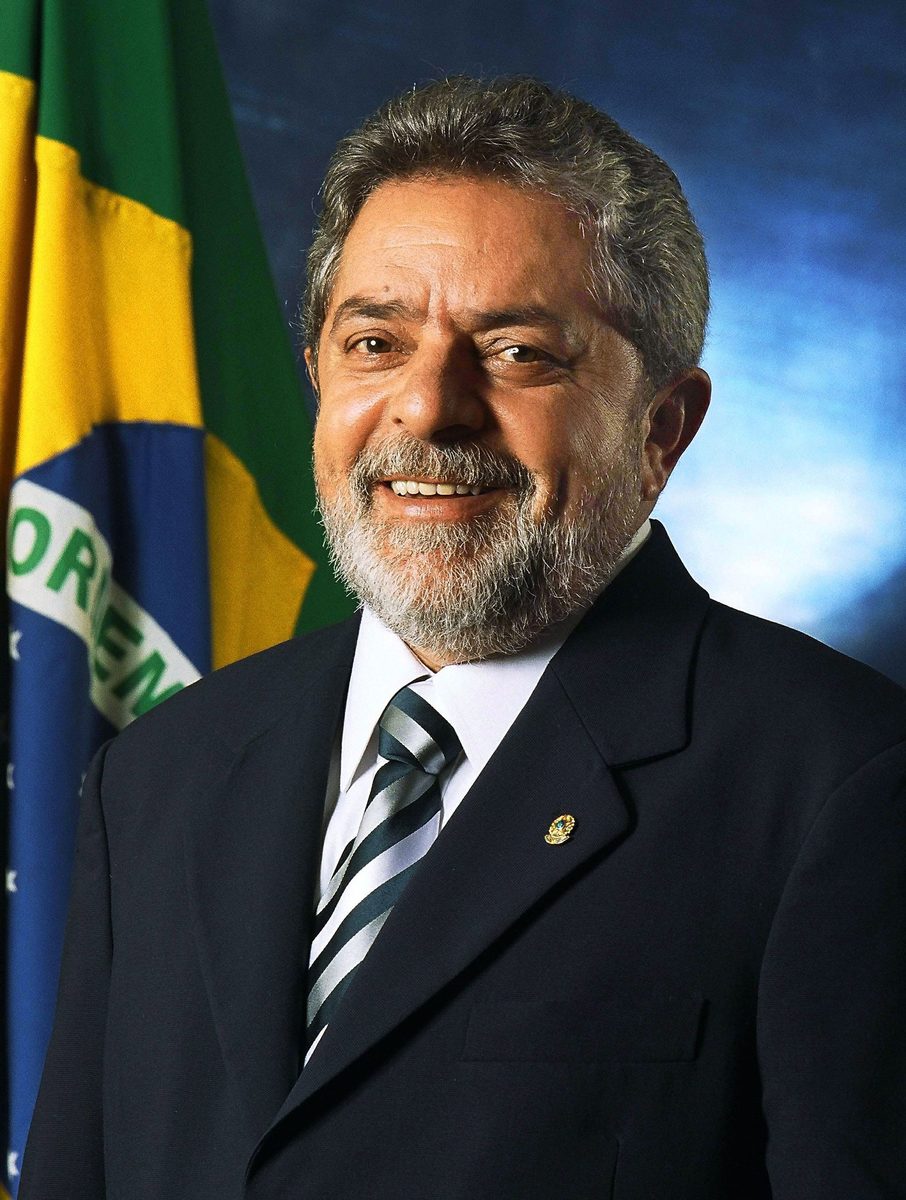
Brazil protected Argentina's embassy in Caracas for 14 months after Nicolás Maduro expelled Argentine diplomats in July 2024. That arrangement ended January 16, 2026, when Italy assumed custodianship. The shift was triggered by Brazil's opposition to the U.S. military operation that captured Maduro two weeks earlier, and accelerated by Argentine President Milei's sustained social media attacks on Brazilian President Lula.
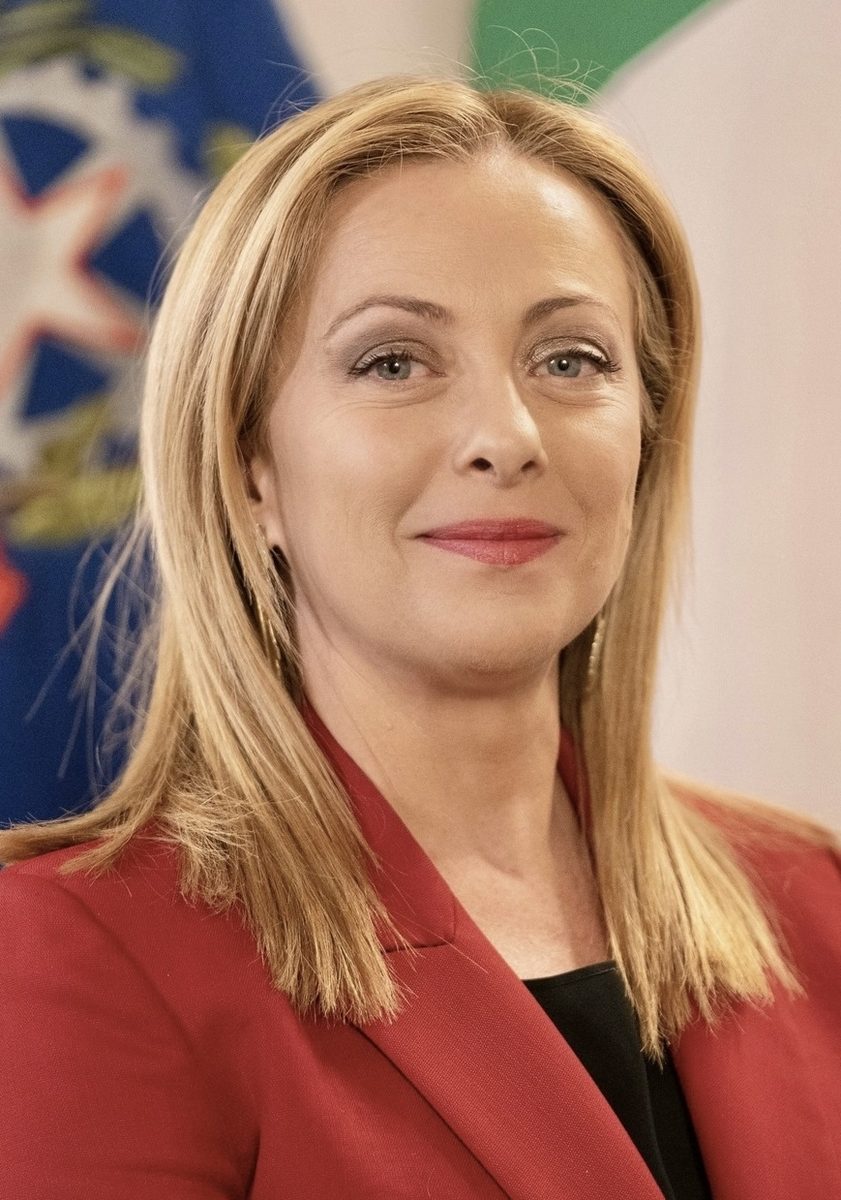
The handover shows a broader realignment, with Argentina pivoting toward a Rome-Buenos Aires-Washington axis built on Milei's personal relationship with Italian Prime Minister Giorgia Meloni and shared support for U.S. action in Venezuela. Brazil, meanwhile, condemned the intervention as imperial overreach. The two largest South American economies now find themselves on opposite sides of a rupture that one Brazilian diplomat called 'the worst moment since both countries' democratic restoration.'
Questions about this story
Free account needed to ask — your question is kept and asked for you right after sign-up. Answers are public.
No questions yet — be the first to ask.
Key Indicators
14
Months of Brazilian protection
Duration Brazil served as protecting power for Argentina's embassy in Caracas
6
Opposition figures extracted
Venezuelan opposition members sheltered in the embassy until U.S.-Italian extraction in May 2025
16,806
Insults in Milei's posts
Social media posts containing insults from Dec 2023 to Sept 2025, per press watchdog FOPEA
40+
Dead in U.S. strike
Reported Venezuelan casualties in January 3 operation that captured Maduro
24 events
Latest: February 2nd, 2026 · 9 months ago
Showing 8 of 24
JK to step
Tap a bar to jump to that date
Jump to
February 2026
Gallo's Wife Demands Release After Another Argentine Freed
LatestDiplomatic
Following the release of Argentine-Venezuelan detainee Gustavo Gabriel Rivara, Nahuel Gallo's wife María Alexandra Gómez publicly demanded her husband's freedom, stating 'Nahuel Agustin Gallo has to return home, he is innocent.' Gallo has been detained for over 14 months without formal charges.
Venezuela Releases 30+ Additional Political Prisoners
Diplomatic
At least 30 prisoners were released from Caracas detention facilities, including human rights activist Javier Tarazona (held 1,675 days), Italian-Venezuelan citizen Mauricio Giampaoli, and political activist Luis Isturiz. Legal rights group Foro Penal confirmed 344 total political prisoners released since January 8, though over 700 remain detained.
January 2026
Venezuela-India Diplomatic Engagement
Diplomatic
Acting President Rodríguez held phone conversation with Indian Prime Minister Narendra Modi, agreeing to 'move forward on a common roadmap to relaunch our relations in 2026,' signaling Venezuela's broader diplomatic outreach beyond the U.S.-Latin America axis.
Rodriguez Announces Amnesty Law Proposal
Political
Acting President Rodríguez announced a proposed amnesty law covering hundreds of prisoners and declared El Helicoide detention center would be converted into a sports and social services facility. The law would exclude those convicted of murder, drug trafficking, corruption, or human rights violations.
Military and Police Pledge Loyalty to Rodríguez
Political
At a ceremony at the Military Academy of the Bolivarian Army in Caracas, Defense Minister Vladimir Padrino declared 'absolute loyalty and subordination' to interim President Rodríguez. She was presented with the ceremonial baton and sword of independence hero Simón Bolívar, consolidating her control of Venezuela's security apparatus nearly four weeks after Maduro's capture.
Rodríguez Rebukes U.S. Interference
Diplomatic
In a speech to oil workers in Anzoátegui state, acting President Rodríguez declared 'Enough already of Washington's orders over politicians in Venezuela'—a rare public pushback against U.S. influence despite ongoing cooperation. The remarks reflected tensions as Washington pressed Venezuela to release more political prisoners.
European Parliament Refers Mercosur Deal to EU Court
Trade
The European Parliament voted 334-324 to refer the EU-Mercosur trade agreement to the European Court of Justice, asking whether it can be applied before full ratification and whether it restricts EU environmental and health policy autonomy. The court typically takes two years to deliver such opinions, potentially delaying the deal until 2028.
EU-Mercosur Trade Agreement Signed Despite Tensions
Diplomatic
The EU and Mercosur formally signed their landmark free trade agreement in Asunción after 26 years of negotiations. Brazilian President Lula notably did not attend the ceremony, sending his foreign minister instead—a move observers interpreted as reflecting political tensions within Mercosur, particularly with Argentina.
CIA Director Meets Rodríguez in Caracas
Diplomatic
CIA Director John Ratcliffe met with acting President Delcy Rodríguez for two hours at Trump's direction, becoming the highest-ranking U.S. official to visit Venezuela since Maduro's capture. They discussed intelligence cooperation, economic stability, and ensuring Venezuela would no longer harbor narco-traffickers or U.S. adversaries.
Italy Assumes Embassy Protection
Diplomatic
Italy took over custodianship of Argentina's embassy in Caracas, consolidating the Rome-Buenos Aires-Washington axis. The transition marked the worst point in Brazil-Argentina relations since democratic restoration.
Brazil Announces Embassy Withdrawal
Diplomatic
Brazil's foreign ministry cited 'technical necessity to reorganize' before Venezuela's new government. The actual trigger: opposition to U.S. intervention and exhaustion with Milei's social media attacks depicting Brazil as a 'favela' and Lula as a dictator.
EU Council Approves Mercosur Deal Despite French Opposition
Trade
EU member states approved the Mercosur trade agreement by 21-5 vote, with France, Austria, Hungary, Ireland, and Poland voting against. France's effort to rally a blocking minority failed. The deal now requires European Parliament ratification, where French MEPs vowed to continue their fight.
Venezuela Begins Political Prisoner Releases
Diplomatic
Acting President Rodríguez announced release of political prisoners at U.S. request, including former opposition candidate Enrique Márquez and multiple detained Americans. Trump praised the releases, saying 'everything we've wanted, they've given us.' However, by mid-January only 41 of 800+ political prisoners had been freed, with Argentine gendarme Nahuel Gallo still detained.
Delcy Rodríguez Sworn in as Acting President
Political
Venezuela's vice president became the country's first female head of state. She initially condemned the U.S. action as a 'kidnapping' but soon signaled willingness to negotiate.
U.S. Captures Maduro in Military Strike
Military
Operation Absolute Resolve struck Venezuela with 150+ aircraft. U.S. forces captured Maduro and his wife at their Caracas compound, transporting them to New York to face narcoterrorism charges.
December 2025
Mercosur Summit Clash
Diplomatic
Lula and Milei publicly clashed over Venezuela at the Mercosur summit. Lula warned of humanitarian catastrophe; Milei praised Trump's saber-rattling.
June 2025
Italy-Argentina Action Plan Signed
Diplomatic
Milei and Meloni adopted a 2025-2030 bilateral roadmap covering defense, trade, space, and security cooperation in Rome.
May 2025
Embassy Asylum Seekers Extracted
Resolution
U.S. and Italian governments coordinated secret extraction of all six Venezuelan opposition members from the embassy. María Corina Machado called it 'an impeccable and epic operation.'
December 2024
Argentine Gendarme Detained
Arrest
Venezuelan authorities detained Argentine military police officer Nahuel Gallo at the Colombian border. He was charged with espionage; Argentina called it arbitrary detention and filed an ICC complaint.
November 2024
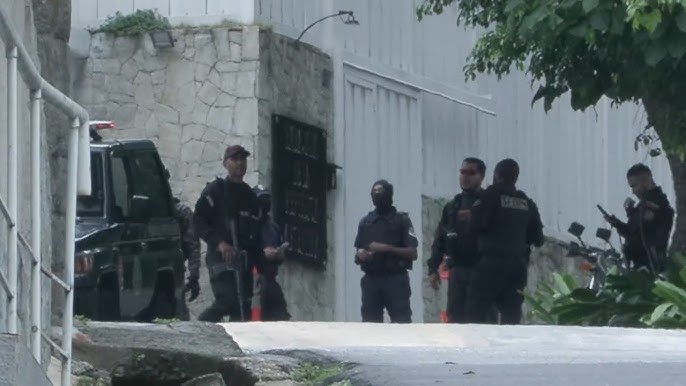
Embassy Siege Begins
Security
Hooded Venezuelan intelligence officers surrounded the embassy with long guns, cut electricity, and deployed signal-blocking drones. The siege would last until May 2025.
August 2024
Brazil Assumes Embassy Protection
Diplomatic
At Milei's request, Lula agreed to place Argentina's embassy under Brazilian custody. Maduro pledged to respect Brazil's control of the premises.
July 2024
Venezuela Expels Argentine Diplomats
Diplomatic Break
Maduro's government severed diplomatic relations with Argentina and ordered all diplomatic personnel to leave within 72 hours. Six Venezuelan asylum seekers remained stranded inside the embassy.
Venezuela's Disputed Presidential Election
Political
Maduro claimed victory over opposition candidate Edmundo González. International observers and opposition disputed the results, with Argentina among the first to reject the outcome as fraudulent.
March 2024
Venezuelan Opposition Seeks Embassy Refuge
Crisis Origin
Six members of María Corina Machado's Vente Venezuela party, including campaign manager Magalli Meda, sought asylum at Argentina's embassy in Caracas after being charged with terrorism and treason.
Scenarios
1
Brazil-Argentina Relations Remain Frozen Through 2026 Elections
Likely
Discussed by: Latin American analysts at FIU Gordon Institute and Wilson Center
Bilateral ties stay at their nadir through Brazil's October 2026 presidential election. Milei openly backs a Bolsonaro family candidacy. If Lula loses, a right-wing Brazilian government could restore cooperation; if Lula wins, the freeze deepens. Mercosur functions minimally as Argentina pursues separate U.S. trade talks.
2
Rodríguez Government Falls, New Venezuelan Elections Called
U.S. pressure and internal PSUV fractures force Delcy Rodríguez to call internationally supervised elections. Opposition leader Edmundo González returns from exile. Argentina and Italy gain influence as backers of the transition; Brazil is marginalized for its initial opposition to intervention.
3
Rome-Buenos Aires-Washington Axis Formalizes into Alliance
Possible
Discussed by: European and Latin American foreign policy observers
Milei's proposed 'league of free nations' gains traction. Italy, Argentina, and select U.S.-aligned governments establish formal coordination on trade, defense, and diplomatic recognition. This creates a counterweight to Brazil-led regional structures and accelerates Mercosur's fragmentation.
4
U.S. Intervention Triggers Broader Regional Backlash
Possible
Discussed by: Council on Foreign Relations, Latin American left-wing governments
The precedent of unilateral U.S. military action in the hemisphere galvanizes left-wing governments in Mexico, Colombia, Chile, and Brazil to strengthen counter-U.S. diplomatic blocs. Regional organizations like CELAC gain prominence as forums for condemning American intervention. Italy's embassy protection becomes a symbol of alignment with U.S. policy.
5
U.S.-Venezuela Normalization Under Rodríguez Government
The Ratcliffe-Rodríguez meeting signals potential rapprochement. If Rodríguez continues releasing prisoners and cooperating on counter-narcotics, the U.S. might lift sanctions and recognize her government, sidelining opposition leader Edmundo González. This would vindicate Italy's embassy protection role as bridge-building, but leave Argentina isolated if Milei continues recognizing González.
Historical Context
3 moments from history that rhyme with this story — and how they unfolded.
1 of 3
May 1980-Present
Switzerland as U.S. Protecting Power in Iran (1980-Present)
After Iranian revolutionaries seized the U.S. embassy in Tehran and held 52 diplomats hostage for 444 days, Washington severed relations with Iran in April 1980. Switzerland agreed to represent U.S. interests, establishing a Foreign Interests Section physically separate from its own embassy in Tehran.
Then
Swiss diplomats became the sole channel for U.S.-Iran communications during the hostage crisis and Iran-Iraq War.
Now
The arrangement has lasted 45+ years, facilitating the 2015 Iran nuclear deal, prisoner exchanges, and crisis de-escalation. Switzerland's neutrality proved essential for maintaining communication between hostile states.
Why this matters now
Italy's assumption of Argentina's embassy protection follows the same diplomatic mechanism. The question is whether Italy—openly aligned with Argentina and the U.S.—can maintain the neutrality that made Switzerland's Iran mandate effective.
2 of 3
September 1977-July 2015
Swiss Protection of U.S. Interests in Cuba (1977-2015)
After the U.S. broke relations with Cuba in 1961 following Castro's revolution, Switzerland operated a U.S. Interests Section in Havana for 38 years. The section functioned as a de facto embassy, providing consular services and maintaining diplomatic channels despite the embargo.
Then
The arrangement preserved minimal diplomatic functionality during decades of Cold War hostility.
Now
When Obama and Castro normalized relations in 2015, the interests section was upgraded to full embassy status. The three Marines who lowered the flag in 1961 returned to raise it again.
Why this matters now
Demonstrates that protecting power arrangements can persist for decades and provide a foundation for eventual normalization. Italy's new role could similarly outlast current tensions—or become permanent if Venezuela remains isolated from Argentina.
3 of 3
April 2024
Ecuador Raids Mexican Embassy (2024)
Ecuadorian police stormed Mexico's embassy in Quito to arrest former Vice President Jorge Glas, who had been granted asylum. President Daniel Noboa ordered the raid after Mexico refused to surrender Glas, who faced corruption charges. Mexico immediately severed diplomatic ties.
Then
The raid drew near-universal condemnation from Latin American governments and the UN. Mexico filed an ICJ case against Ecuador.
Now
Set a precedent for challenging embassy inviolability in Latin America, though most nations reaffirmed the Vienna Convention's protections.
Why this matters now
Venezuela's 2024-2025 siege of Argentina's embassy followed similar logic—using security forces to pressure asylum seekers. Brazil's protection and subsequent Italian assumption aim to prevent another Ecuador-style violation.