


Pull to refresh
Logo
Army leases six bases to private developers for gas, storage, and nuclear power

Army leases six bases to private developers for gas, storage, and nuclear power

Built World

Developers finance and build the plants; the Army pays nothing and gains backup power during grid outages.

Yesterday: POWER Magazine details project technology

Overview

Updated 2 hours ago

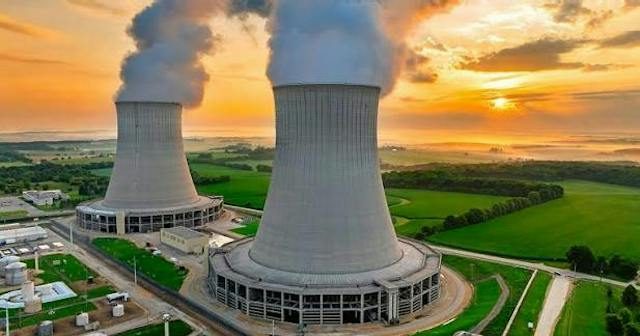
Three private developers will build and run commercial power plants on U.S. Army land at six bases, under conditional leases announced Sept. 18. The projects bring natural gas, battery storage, and nuclear reactors onto military installations with a target of 2030.

The Army is acting purely as landlord: developers finance, build, operate, and eventually dismantle the plants, paying rent through infrastructure upgrades instead of cash. In exchange, each plant must be able to disconnect from the grid and power its base for 14 days when outages hit.

Why it matters

Six Army posts could gain guaranteed backup power during grid failures without spending taxpayer money.

Questions about this story

Free account needed to ask — your question is kept and asked for you right after sign-up. Answers are public.

No questions yet — be the first to ask.

Key Indicators

6
Army installations covered
Bases spanning Maryland, New Jersey, New York, and Pennsylvania.
3
Developers conditionally selected
Ameresco, Indelible-Bloom, and Frontier Power USA.
14 days
Minimum islanded power during outages
Plants must keep host bases running if the grid fails beyond four hours.
50 years
Initial lease term
Long-term land rights in exchange for building and operating the plants.

Voices

Curated perspectives — historical figures and your fellow readers.

Andrew Carnegie

Andrew Carnegie

(1835-1919) · Gilded Age · industry

Fictional AI pastiche — not real quote.

"Aye, the Army's discovered what we Scots knew all along—landlords collect rent, but it's the builder who pays for the improvements. Let private capital raise the works, and the nation gets its power and its readiness without spending a penny of the people's gold. That's not just economy; that's the Gospel of Wealth applied to the common defense."

Ever wondered what historical figures would say about today's headlines?

Sign up to generate historical perspectives on this story.

People Involved

Organizations Involved

Timeline

February 2026 September 2026

4 events Latest: Yesterday
Tap a bar to jump to that date
  1. POWER Magazine details project technology

    Latest Reporting

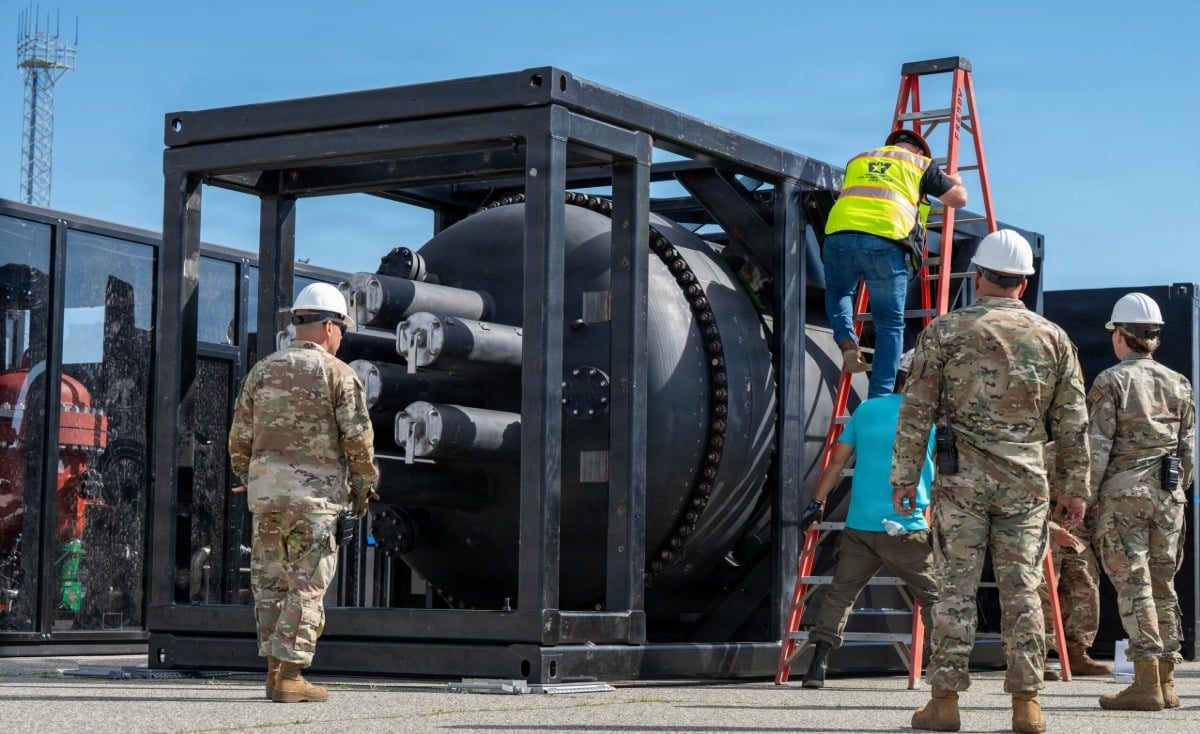
    Report reveals Ameresco's plan: gas plus molten salt reactor at Aberdeen, microreactors then SMRs at Picatinny.

  2. Army conditionally selects three developers

    Decision

    Ameresco, Indelible-Bloom, and Frontier Power USA win conditional leases for power projects at six installations.

  3. Army issues commercial-power RFP

    Solicitation

    The Army opens a competitive request for proposals inviting developers to lease land for power generation.

  4. Army posts request for information

    Solicitation

    The Army seeks private-sector input on financing and partnership models for energy projects on its land.

Scenarios

1

Aberdeen gas fires by 2030, nuclear deferred

Likely Resolves by End of 2030

Discussed by: Ameresco's stated plan, reported by POWER Magazine

Ameresco built a pre-2030 operating goal around natural gas at Aberdeen, so gas likely clears environmental review first. The Terrestrial Energy molten salt reactor would follow as a second phase, possibly sliding past 2030 as licensing proceeds.

2

Nuclear clears NEPA and NRC licensing at Picatinny and Aberdeen

Possible Resolves by End of 2032

Discussed by: Terrestrial Energy and Ameresco, plus Army statements listing nuclear among allowed technologies

Microreactors at Picatinny and an IMSR at Aberdeen must pass National Environmental Policy Act review and Nuclear Regulatory Commission licensing. If those clear, reactors could come online in the early 2030s, giving the Army zero-emission backup power and testing commercial nuclear on military land.

3

Leases stall, construction slips past 2030

Possible Resolves by End of 2027

Discussed by: Energy News, which noted nuclear is an option, not a commitment

Conditional awards precede formal leases, which require environmental review, Clean Air and Water Act permits, and state and local approvals. NEPA reviews alone can take years. If developers or regulators stall, some sites could slip past the 2030 target or drop out entirely.

Historical Context

3 moments from history that rhyme with this story — and how they unfolded.

1996–2020s

Military Housing Privatization Initiative (1996)

The Pentagon, facing billions in dilapidated base housing, invited private firms to finance, build, and operate military housing under long-term leases. Private developers took ownership of the properties and collected rent from service members' housing allowances.

Then

Private capital rebuilt or renovated tens of thousands of housing units across the services.

Now

Established the template for leveraging private money on military land under long-term leases, though maintenance disputes later surfaced.

Why this matters now

The Army's power leases use the same financial structure: private capital on federal land, with the government acting as landlord rather than payer.

2010–2020

Army Enhanced Use Lease Solar (2010s)

The Army used Enhanced Use Leases to bring third-party solar arrays onto bases including Fort Irwin and Fort Huachuca, letting private firms sell power to the grid while the bases gained resilience and infrastructure upgrades.

Then

Several large solar installations came online, cutting base energy costs and meeting renewable targets.

Now

Proved the EUL model works for energy infrastructure, paving the way for the broader 2026 power solicitation.

Why this matters now

Solar EULs validated the landlord model; the 2026 round extends it to gas, storage, and nuclear at larger scale.

2019–2026

Project Pele (2019–2026)

The Pentagon launched Project Pele to build a transportable nuclear microreactor for military use, contracting Oklo for a 1–5 MW design. The program faced funding cuts, regulatory questions, and licensing hurdles before the Army's 2025 budget review.

Then

Development continued but the timeline slipped repeatedly amid NRC licensing and cost concerns.

Now

Showed that military nuclear projects face the same regulatory scrutiny as civilian ones, even on federal land.

Why this matters now

The Picatinny and Aberdeen reactors will face the same NEPA and NRC reviews that slowed Project Pele, a key risk for the 2030 timeline.

Sources

(10)