
Pull to refresh
Logo
DOE authorizes full construction of Savannah River plutonium pit plant

DOE authorizes full construction of Savannah River plutonium pit plant

Built World

A $23.5 billion baseline and a December 2038 deadline for converting the abandoned MOX shell into a factory for at least 50 warhead cores a year

Overview

Updated 1 hour ago

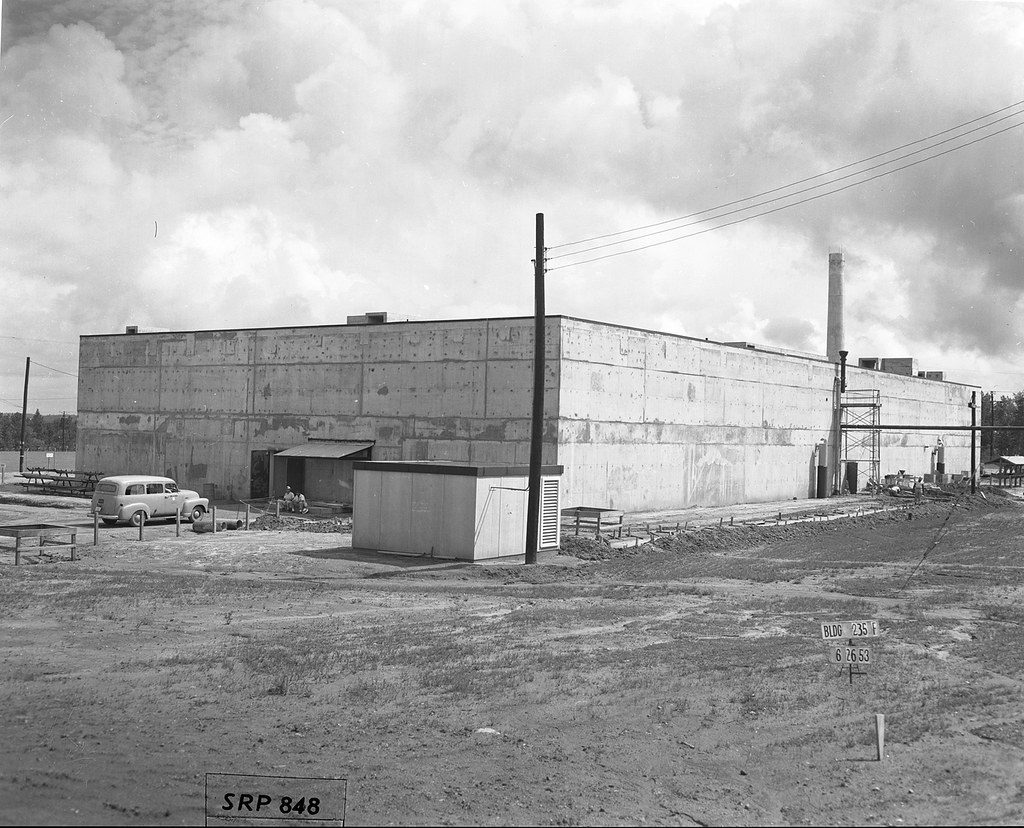
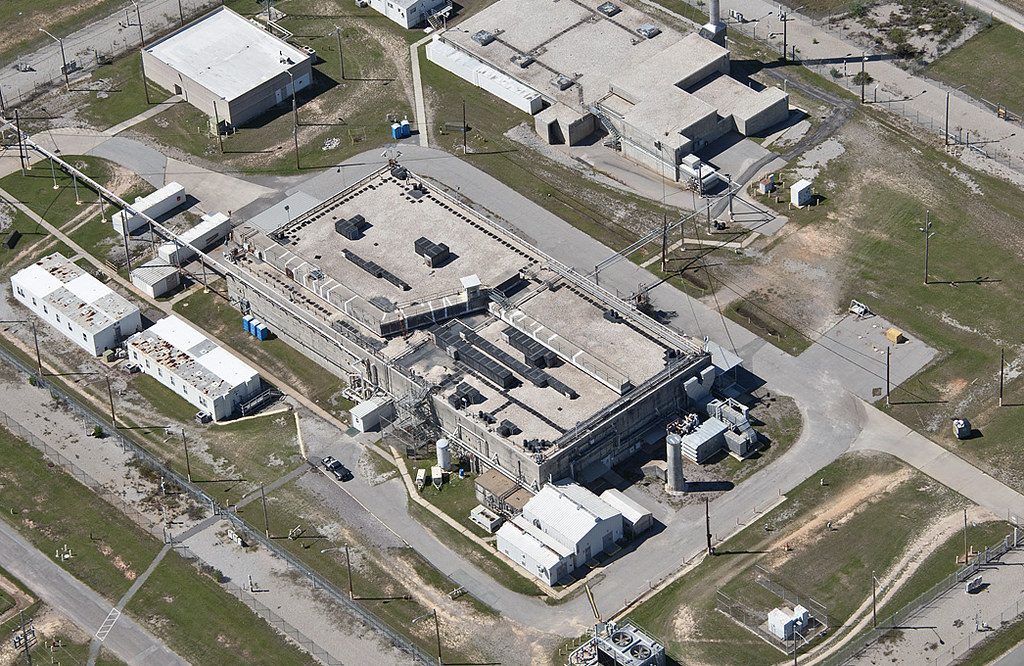
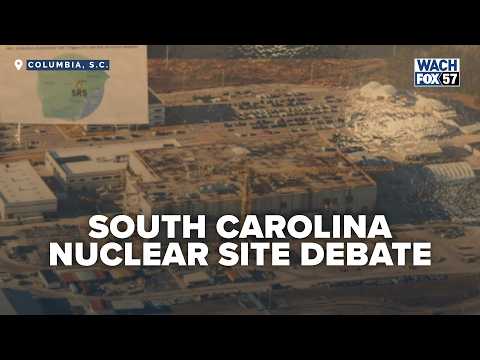
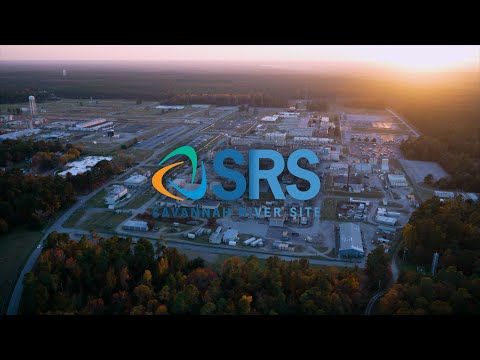
The Savannah River Site's half-built MOX plant was meant to start turning surplus weapons plutonium into commercial reactor fuel in 2016. It never opened. On Oct. 15, the Energy Department approved a $23.5 billion baseline and full construction to convert the roughly 400,000-square-foot shell into a factory for plutonium pits.

Pits are the fissile cores of nuclear warheads. The converted building is meant to produce at least 50 a year, half of the National Nuclear Security Administration's plan to reach 80 a year across two sites. The new baseline is more than twice the top of the $6.9 billion to $11.1 billion range the agency gave in 2021. The December 2038 completion date is more than three years past NNSA's own estimate earlier in 2026.

Why it matters

NNSA wants 80 plutonium pits a year by 2030. Savannah River is half that plan, and its finish date has already moved past 2038.

Questions about this story

Free account needed to ask — your question is kept and asked for you right after sign-up. Answers are public.

No questions yet — be the first to ask.

Key Indicators

$23.5B
Approved cost baseline
Covers the Main Process Building only, not the full 160-acre complex.
50
Minimum pits per year
The plant's stated annual output target once operating.
80
NNSA's two-site pit goal
Combined Los Alamos and Savannah River output, sought as close to 2030 as possible.
60%
Design maturity at baseline
Approved instead of the 90% normally required for an Energy Department project.
$3.1B
Early work authorized before baseline
Ten procurement and site-preparation packages spent ahead of the Oct. 15 approval.

Voices

Curated perspectives — historical figures and your fellow readers.

Sign up to generate historical perspectives on this story.

Organizations Involved

Timeline

1997 November 2026

14 events Latest: Yesterday Showing 8 of 14
Tap a bar to jump to that date
  1. $23.5B figure confirmed

    Latest Disclosure

    NNSA confirms the cost baseline to ENR; completion is now slated for December 2038.

  2. Full construction authorized

    Approval

    DOE signs the performance baseline and authorizes construction beyond site preparation.

  3. Final drawings promised

    Design

    NNSA tells prospective contractors it expects 90% design drawings by Sept. 30.

  4. GAO tallies portfolio overruns

    Audit

    Sixteen NNSA projects carry about $4.8 billion in overruns and 30 years of delay.

  5. Glovebox subcontracts advance

    Procurement

    Fluor has issued 243 of 320 planned glovebox fabrication subcontracts.

  6. Preliminary design review completed

    Design

    The project clears its preliminary design review as final design work continues.

  7. Baseline rules loosened

    Management

    DOE consolidates to three projects and allows a baseline at 60% design maturity.

  8. Project split into six

    Management

    NNSA divides the work and makes the main building a separate contract line item.

  9. First cost range set

    Budget

    DOE gives a preliminary range of $6.9 billion to $11.1 billion for the main building.

  10. MOX cancelled

    Policy

    DOE terminates the MOX contract and plans to convert the shell to pit production.

  11. Two-site pit plan certified

    Policy

    The Nuclear Weapons Council backs pit production at Los Alamos and a converted Savannah River plant.

  12. Construction starts on MOX

    Construction

    Building begins with completion targeted for 2016.

  13. MOX contract awarded

    Contract

    A consortium later named CB&I Areva MOX Services wins the design, build and operate contract.

  14. MOX project begins

    Policy

    The Energy Department starts a plant to turn surplus weapons plutonium into commercial reactor fuel.

Scenarios

1

Approved cost passes $30 billion before the first pit

Possible Resolves by End of 2031

Discussed by: SRS Watch, an Aiken-based advocacy group that has argued the plant could reach $30 billion

The 2021 range topped out at $11.1 billion, and the approved baseline is already more than twice that. If design changes force rework on the scale GAO warned about in October 2024, NNSA would have to revise the baseline upward again. Reaching $30 billion would mean roughly $6.5 billion of further growth on top of what has been approved.

2

Savannah River certifies its first plutonium pit before 2035

Uncertain Resolves by End of 2034

Discussed by: NNSA, which has said it wants pit capacity in place as close to 2030 as possible

The plant could begin operating in phases, with part of the building producing pits while other areas are still under construction. That depends on glovebox installation and process-equipment design keeping pace with the building. A first pit before 2035 would show the phased approach worked; a miss would leave Los Alamos as the only pit source for longer.

3

Completion date slips past December 2038

Likely Resolves by End of 2032

Discussed by: GAO, which has documented repeated schedule growth across NNSA construction projects

The date has already moved from September 2035 in NNSA's fiscal 2026 budget documents to December 2038 in the approved baseline. Late design packages, hiring problems for design engineers and contractor performance were the causes GAO cited for earlier growth. A further slip would be reported through a revised baseline or an annual audit.

4

Plant reaches 50 pits in a single year by 2039

Uncertain Resolves by End of 2039

Discussed by: NNSA, which set at least 50 pits a year as the plant's design output

Hitting the design rate requires the building, gloveboxes and process equipment to work together at full throughput, not just to produce a first unit. The 2038 completion date leaves little margin before the end of the decade. This scenario tests whether the plant becomes the production line it was approved to be.

Historical Context

3 moments from history that rhyme with this story — and how they unfolded.

1997-2018

MOX Fuel Fabrication Facility (1997-2018)

DOE started the plant in 1997 to dispose of surplus weapons plutonium by blending it into commercial reactor fuel. Construction began in 2007 with completion set for 2016. By the time the project was scrapped in October 2018, the estimated cost had risen to $17.2 billion from $4.8 billion and the schedule had stretched 32 years.

Then

The contract was terminated and the roughly 400,000-square-foot building was left as a partly finished shell.

Now

DOE redirected the structure to plutonium pit production, carrying the building, the site workforce and much of the contracting structure into the new mission.

Why this matters now

The pit plant is that same building under a new name, and its $23.5 billion baseline is the second attempt to make the structure useful.

January 2019

GAO review of MOX management (January 2019)

Auditors told a Senate committee that NNSA project staff had failed to recognize signs the plant would not finish on time or within budget, warnings that dated to a 2014 study. GAO also found DOE did not require staff to share lessons learned until construction started, which could be years after a project began.

Then

DOE said it would issue policy changes by December 2019 to incorporate the fixes.

Now

The pit plant later received a separate contract line item and tailored award fees, changes aimed at making construction performance visible on its own.

Why this matters now

GAO has already told Congress that separate line items and tailored incentives do not by themselves keep a project on cost and schedule.

Through June 2025

NNSA capital project portfolio (through June 2025)

GAO reported in February 2026 that 16 major NNSA projects already in execution had accumulated about $4.8 billion in cost overruns and 30 years of cumulative schedule delays. NNSA documentation attributed the overruns to inadequate contractor management, poor vendor performance and higher equipment and material costs.

Then

The figures gave Congress a benchmark for judging the Savannah River baseline approved four months later.

Now

The pattern is the reason the pit plant got its own budget line and its own performance evaluation.

Why this matters now

The Savannah River plant is being measured against an agency record that has consistently run late and over budget.

Sources

(8)