
Pull to refresh
Logo
US and South Korea pick Texas gas power campus as first joint investment

US and South Korea pick Texas gas power campus as first joint investment

Built World

Project Star pairs 6.47 gigawatts of gas generation with a 5-gigawatt data center site in Encinal, Texas

Yesterday: Project Star selected as first joint investment

Overview

Updated 1 hour ago

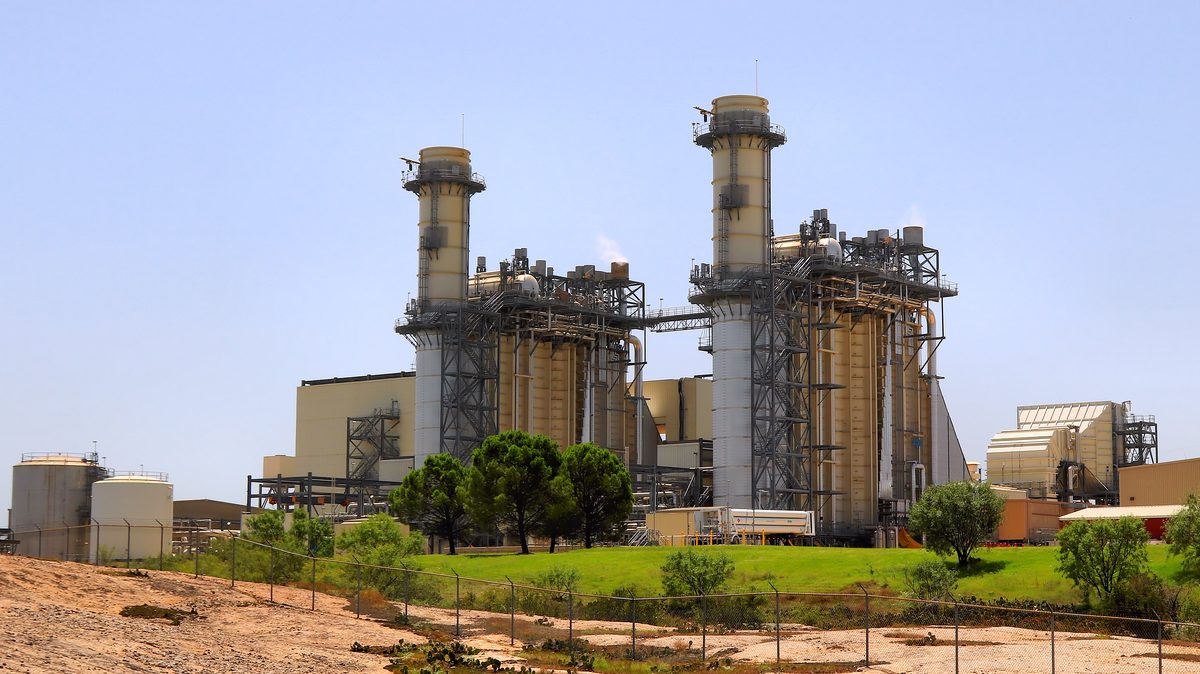
The United States and South Korea selected a $22.3 billion natural gas power campus in Encinal, Texas, as the first project under their strategic investment agreement. The site will generate 6.47 gigawatts of electricity, enough to feed a 5-gigawatt data center campus being built next door by Related Companies.

It's the first visible test of Korea's pledge to invest $350 billion in the US in exchange for tariff relief. The gas campus, co-owned by the two governments and operated by a NextEra Energy and Related Companies joint venture, is scheduled for first power in 2029 and full operation by 2032.

Why it matters

Korea's $350 billion US investment pledge just produced its first real project, testing whether allied co-ownership of American energy infrastructure can work.

Questions about this story

Free account needed to ask — your question is kept and asked for you right after sign-up. Answers are public.

No questions yet — be the first to ask.

Key Indicators

$22.3B
Project cost
Total investment in the Project Star gas power campus in Encinal, Texas.
6.47 GW
Generation capacity
Natural gas combined-cycle capacity, feeding a 5 GW data center campus plus the Texas grid.
8,400
Peak construction jobs
Estimated jobs during peak construction activity over the multi-year build.
$200B
Korea strategic investment pledge
Non-shipbuilding US investment committed under the 2025 trade deal, with a $20B annual cap.

Voices

Curated perspectives — historical figures and your fellow readers.

Ever wondered what historical figures would say about today's headlines?

Sign up to generate historical perspectives on this story.

People Involved

Organizations Involved

Timeline

July 2025 September 2026

3 events Latest: Yesterday
  1. Project Star selected as first joint investment

    Latest Announcement

    US Commerce Department and Korea pick the $22.3 billion Encinal gas power campus, alongside nuclear and Alaska LNG projects.

  2. Strategic Investment MOU signed

    Agreement

    Korea and US sign memorandum covering energy and AI cooperation, setting the investment structure.

  3. Korea-US trade deal announced

    Agreement

    Seoul commits $350 billion in US investment in exchange for lower tariffs on Korean goods.

Scenarios

1

Project Star's first phase starts generating power in 2029

Likely Resolves by Q2 2030

Discussed by: NextEra Energy and Related Companies' announced schedule; Yonhap reporting

The project is phased, with initial generating units targeted for 2029 and full capacity by 2032. If permitting and construction hold, the first combined-cycle units reach commercial operation and begin delivering power to the adjacent data center campus and the ERCOT grid. That would validate the risk-pooling structure and clear a path for the nuclear and Alaska LNG projects.

2

Project Star slips on schedule or budget

Possible Resolves by End of 2029

Discussed by: Korea Herald reporting on commercial viability scrutiny

Large gas infrastructure projects routinely hit permitting delays, supply chain problems, and labor shortages. The Korea Herald reported the project's viability still faces scrutiny, and the trade framework allows the two governments to consult on business plan and budget adjustments if viability is impaired. A delay would push first power past 2029 and test the allied ownership structure.

3

Seoul scales back participation after feasibility review

Possible Resolves by End of 2028

Discussed by: Yonhap reporting on investment safeguards

The Alaska LNG project was kept at feasibility-review stage rather than approved for direct investment, showing Seoul screens projects for commercial soundness. The framework permits consultations on profit-sharing and budget if a project's viability is impaired. If Project Star runs into trouble, Seoul could trim its stake or shift capital to the nuclear or LNG programs.

Historical Context

2 moments from history that rhyme with this story — and how they unfolded.

1982-1990

Japanese auto plants reshape US manufacturing (1982–1990)

Facing voluntary export restraints on Japanese cars, Honda opened a plant in Marysville, Ohio in 1982, followed by Nissan in Tennessee and Toyota in Kentucky. The wave turned Japanese automakers into major US manufacturers.

Then

Trade tension eased and American jobs were created in new plants across the Midwest and South.

Now

Japanese brands became a permanent part of US auto manufacturing, and the transplants set quality benchmarks that reshaped the industry.

Why this matters now

Like Korean investment now, Japanese capital flowed into the US partly to defuse trade conflict and created durable American industrial capacity.

May 2020 - 2025

TSMC's Arizona fab (2020–2025)

Taiwan's TSMC announced a $12 billion fab in Phoenix in May 2020, later expanding to over $65 billion for three fabs. Construction faced labor shortages, delays, and higher costs than planned.

Then

First production began in late 2024 with reported yield challenges and cost overruns.

Now

The project became the centerpiece of US efforts to onshore advanced chip manufacturing, backed by government subsidies.

Why this matters now

Shows how government-backed foreign strategic investment in US infrastructure can slip on schedule and budget even with strong political support.

Sources

(8)