

Pull to refresh
Logo
Army awards Dominion contract for grid-independent Fort Hood microgrid

Army awards Dominion contract for grid-independent Fort Hood microgrid

Built World

The Phantom Warrior system is designed to keep critical facilities powered for 14 days during an outage, the second such award at the Texas base this year.

Overview

Updated 1 hour ago

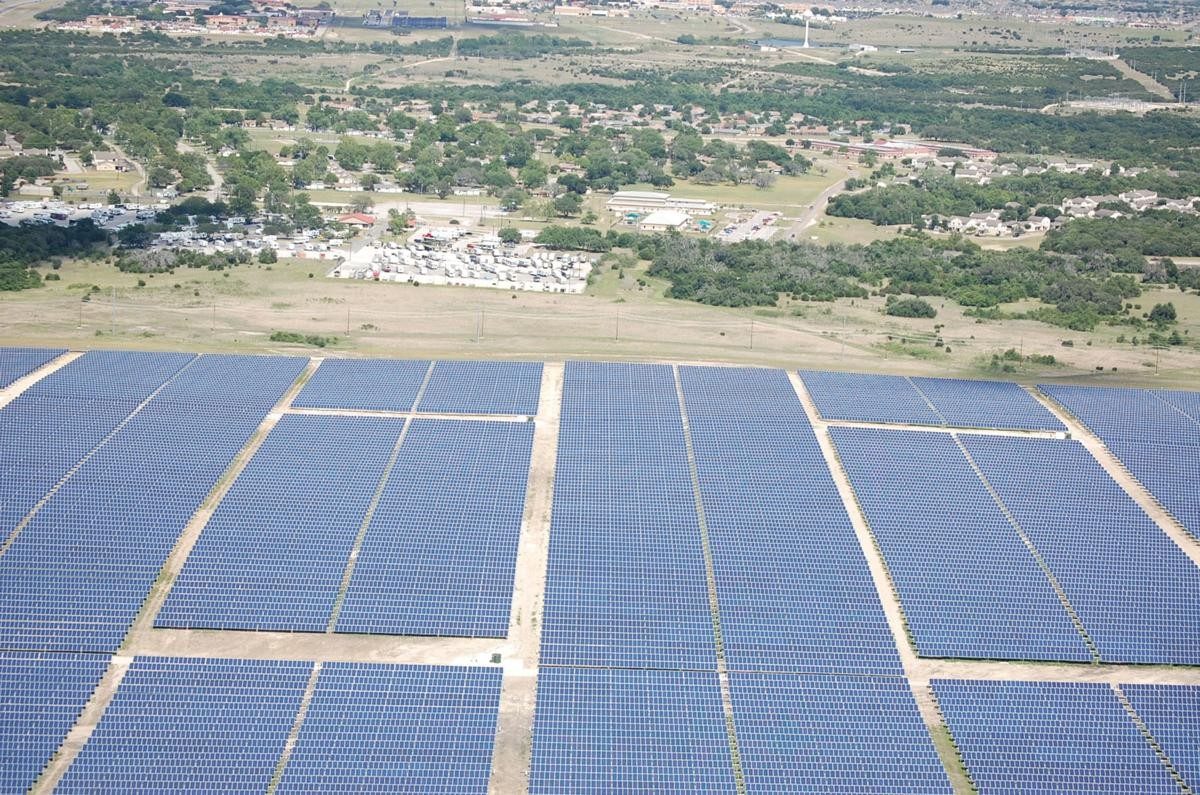
Fort Hood's critical facilities are designed to run for two weeks without the Texas grid. On Oct. 30, the Army Corps of Engineers awarded Dominion Privatization Texas a $61.5 million contract to build the Phantom Warrior Microgrid, which combines natural gas generators, solar panels and batteries.

It is the second microgrid Dominion has won at the base this year, and the Army plans at least three more. The awards show how the Corps is using sole-source authority to hand resilience work to the private companies that already own base utility systems.

Why it matters

If the Texas grid fails, Fort Hood's critical facilities are designed to run for 14 days, a model the Army wants to copy.

Questions about this story

Free account needed to ask — your question is kept and asked for you right after sign-up. Answers are public.

No questions yet — be the first to ask.

Key Indicators

$61.5M
Contract value
Firm-fixed-price award to Dominion Privatization Texas, with about $61.01 million obligated at award.
14 days
Grid independence target
The system is designed to keep critical facilities running for at least two weeks during an outage.
3 MW
Natural gas generation
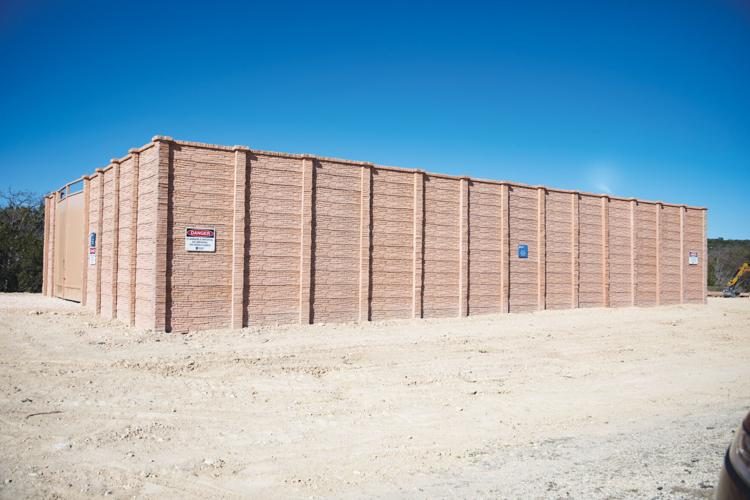
Reciprocating engines provide dispatchable power and set voltage and frequency for the solar array.
1.5 MW
Solar capacity
Photovoltaic canopies will sit above parking areas behind Building 1001.
1 MW
Battery storage
Battery energy storage pairs with automated switching and microgrid controls.
2.9 MW
Connected load
About 2.12 MW is classified as critical and 0.79 MW as noncritical.

Voices

Curated perspectives — historical figures and your fellow readers.

Sign up to generate historical perspectives on this story.

People Involved

Organizations Involved

Timeline

2016 November 2026

8 events Latest: Yesterday
Tap a bar to jump to that date
  1. Award details reported

    Latest Report

    Engineering News-Record details the system's scope, cost and 14-day grid-independence design.

  2. Phantom Warrior contract awarded

    Contract

    The Corps awards Dominion the $61.5 million contract, with completion targeted for May 2029.

  3. Army adds nuclear microreactors

    Program

    The Army selects five vendors for the Janus Program, including a reactor at Fort Hood.

  4. First Fort Hood microgrid awarded

    Contract

    Dominion wins a $16.65 million contract for the Network Enterprise Center microgrid, due October 2028.

  5. Sole-source authority cited

    Policy

    The Louisville District says the fiscal 2024 defense law allows no-bid awards to privatized utility owners.

  6. Corps names Dominion sole-source pick

    Procurement

    The Corps announces the procurement and identifies Dominion as the intended sole-source contractor.

  7. Phantom Warrior enters the budget pipeline

    Budget

    Defense budget documents list the microgrid at a $31.5 million project cost.

  8. Dominion takes over Fort Hood utilities

    Contract

    Dominion Privatization Texas assumes the base's electric and natural gas distribution under a 50-year, $740.2 million contract.

Scenarios

1

Phantom Warrior microgrid is operating by May 2029

Possible Resolves by May 31, 2029

Discussed by: U.S. Army Corps of Engineers contract schedule; Engineering News-Record

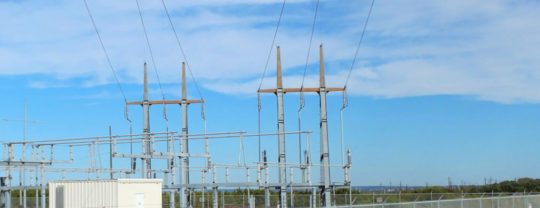
The contract sets a May 2029 completion date. If construction and equipment installation stay on track, the system connects to Fort Hood's 12.47-kilovolt distribution system and can island critical facilities during an outage.

2

Army awards another Fort Hood microgrid by fiscal 2030

Likely Resolves by Q3 2030

Discussed by: Engineering News-Record; Army planning documents

The Army has targeted at least three more Fort Hood systems for fiscal 2030, including a natural gas plant at the Clarke Road substation and systems at Yoakum-DeFrenn Army Heliport and North Fort Hood. A contract award would confirm the base remains the service's microgrid testbed.

3

Costs rise and the 2029 completion date slips

Possible Resolves by May 31, 2029

Discussed by: Engineering News-Record; prior project cost history

The project's budget estimate rose from $31.5 million in 2022 documents to a $61.5 million award. Further cost growth or supply-chain delays could push completion past May 2029, a pattern common in large federal construction.

Historical Context

2 moments from history that rhyme with this story — and how they unfolded.

February 2021

Winter Storm Uri (2021)

An extreme cold snap knocked out generating capacity across Texas. More than 4.5 million homes and businesses lost power, water systems failed, and more than 200 people died.

Then

The state's grid operator ordered days of rolling blackouts as demand overwhelmed supply.

Now

Texas tightened weatherization rules and debated how much grid independence it should allow.

Why this matters now

Fort Hood sits on the Texas grid. The 14-day islanding target is built for outages of this scale.

October 2018

Hurricane Michael and Tyndall Air Force Base (2018)

A Category 5 hurricane made landfall in the Florida Panhandle and damaged or destroyed most buildings at Tyndall Air Force Base, which had to be largely rebuilt.

Then

The base was evacuated and operations were displaced for years.

Now

The rebuild incorporated more resilient power and infrastructure planning.

Why this matters now

It shows how one storm can disable a military installation, the risk microgrids are meant to reduce.

Sources

(6)