

Pull to refresh
Logo
Guinea's Siguiri gold mining ban sets off mass displacement and deadly clashes

Guinea's Siguiri gold mining ban sets off mass displacement and deadly clashes

Rule Changes

At least 10 killed in Balato as security forces enforce a November 2 ban; about 160,000 miners and family members have crossed into Mali

Overview

Updated 10 minutes ago

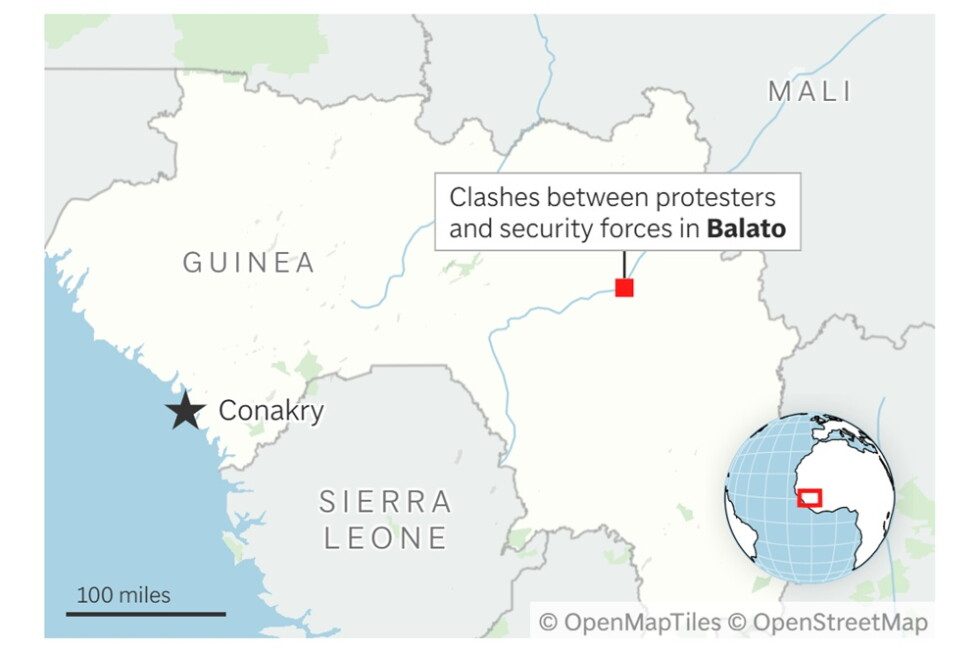
On Wednesday afternoon in Balato, a village in Guinea's northeastern Siguiri region, a security patrol checking for illegal gold mining found the road blocked by barricades. Gunfire followed. At least 10 people were killed, five of them foreign nationals, and 13 were injured.

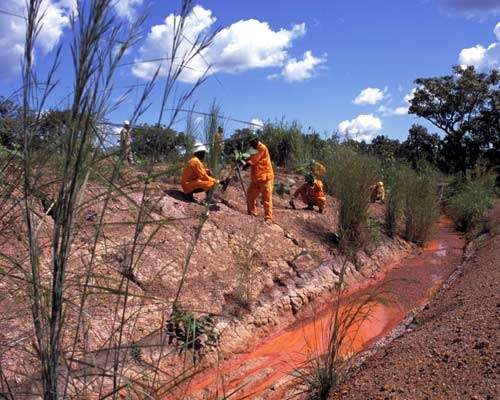
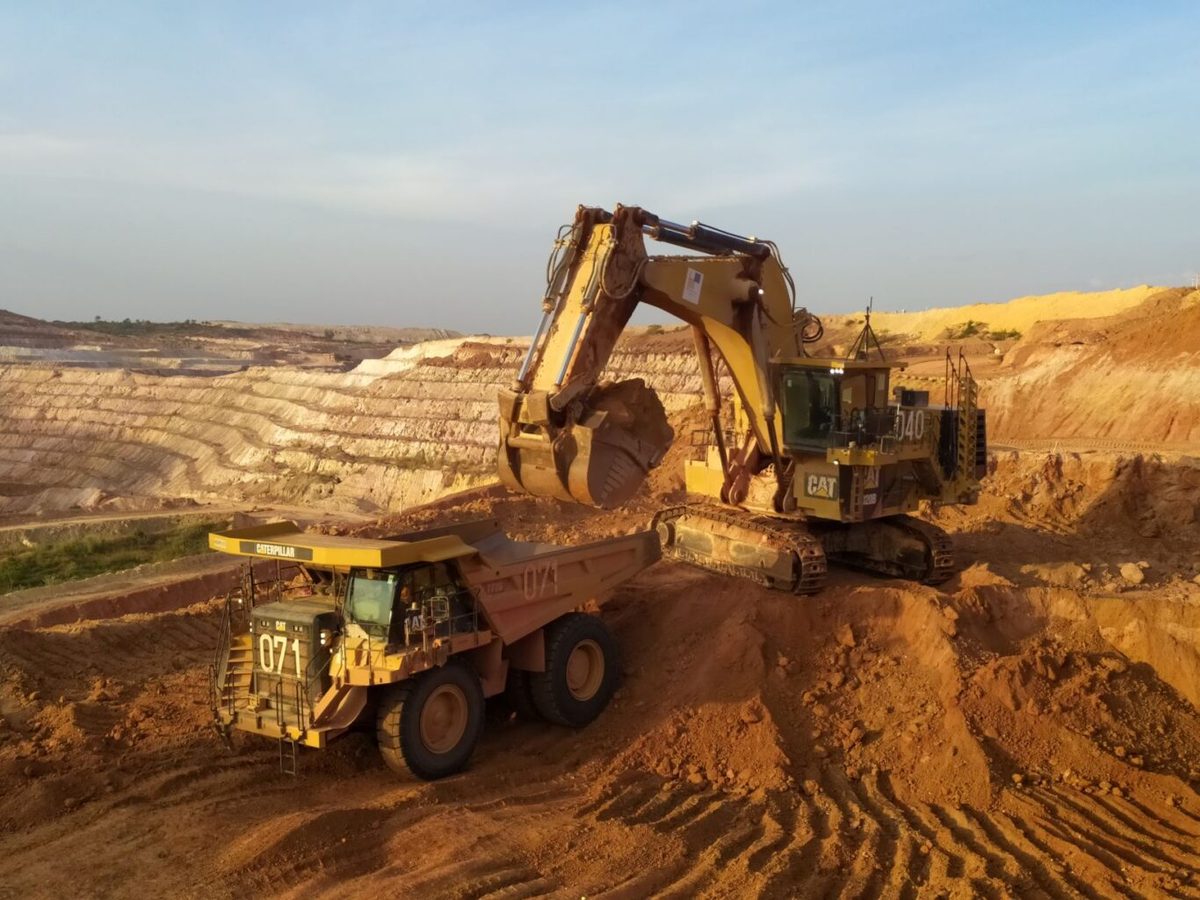
The clash is the sharp edge of a policy. On November 2, Guinea banned artisanal gold mining across Siguiri, saying unregulated pits had polluted rivers, cut into farmland and stripped vegetation. Within days, Malian authorities said about 160,000 miners and family members had crossed the border, and Guinean courts began processing more than 1,200 detainees.

Why it matters

Guinea is testing whether a state can shut a livelihood for 300,000 people with no replacement, and the fallout is landing in Mali.

Questions about this story

Free account needed to ask — your question is kept and asked for you right after sign-up. Answers are public.

No questions yet — be the first to ask.

Key Indicators

10
Killed in Balato clashes
Government provisional toll, including five foreign nationals whose identities were not established.
13
Injured in Balato
The injured included civilians and members of the security forces.
1,263
Detainees placed in judicial custody
Out of 1,412 held in the Siguiri region, per a joint defence and security ministries statement.
160,000
Miners and families who crossed into Mali
Malian authorities count about 100,000 in Bamako and 60,000 in the border town of Kouremale.
300,000
People supported by small-scale gold mining in Guinea
Estimate from the UN Environment Programme for artisanal and small-scale mining livelihoods.
45,406
Burkina Faso citizens repatriated
Included 9,852 children and 1,224 nationals of other countries, per Burkina Faso's government.

Voices

Curated perspectives — historical figures and your fellow readers.

Sign up to generate historical perspectives on this story.

People Involved

Organizations Involved

Timeline

October 2026 November 2026

8 events Latest: Yesterday
Tap a bar to jump to that date
  1. Burkina Faso repatriates 45,406 citizens

    Latest Migration

    Ouagadougou says it has brought home 45,406 people who left Guinea after the ban, including 9,852 children.

  2. Government confirms toll; courts to assign responsibility

    Statement

    The territorial administration ministry reports 10 dead including five foreign nationals, and leaves blame to judges.

  3. Clashes in Balato kill at least 10

    Violence

    A patrol enforcing the ban meets barricades in Siguiri region; gunfire kills 10 and injures 13.

  4. 479 local chiefs and district presidents dismissed

    Policy

    Neighborhood chiefs and district presidents are removed for what authorities call failures.

  5. Siguiri artisanal gold mining banned

    Rule Change

    Ministries close gold panning sites across Siguiri, citing polluted rivers, degraded farmland and chemical use.

  6. Guinea suspends 22 Siguiri administrators

    Policy

    Regional officials are suspended or dismissed ahead of the mining ban, a purge of local oversight in Siguiri.

Scenarios

1

Guinea holds the ban and prosecutions widen

Likely Resolves by May 31, 2027

Discussed by: Guinean government statements and AFP reporting from Conakry and the Malian border

The government has framed the ban as an environmental and public-safety measure applied regardless of nationality, and courts have already processed hundreds of cases. If that posture holds, Siguiri stays closed to artisanal mining through the next dry season and new sentencing rounds follow. The test is whether Conakry absorbs the diplomatic cost of expelling nationals from Mali, Burkina Faso and Ivory Coast.

2

Conakry pairs the ban with an alternative-livelihood program

Possible Resolves by Q2 2027

Discussed by: Abdoul Sacko of the Forum of Social Forces of Guinea and other civil-society critics

The loudest criticism inside Guinea is not that the ban is wrong but that it arrived without a replacement economy. A funded program for site rehabilitation, formalized small-scale permits or alternative work in Siguiri would blunt that argument. Nothing announced so far commits money to it, and the mass departures have reduced the political pressure to act.

3

Another deadly enforcement clash in Siguiri

Possible Resolves by Feb 28, 2027

Discussed by: Witness accounts and a Guinean security source, which gave conflicting versions of how Balato began

Balato escalated from barricades to gunfire within an afternoon, and both sides dispute who started it. Patrols are still running on roads, the river and at borders. A second confrontation would harden the standoff and raise the cost for Conakry, particularly if more foreign nationals are killed.

4

Displacement to Mali becomes permanent

Uncertain Resolves by Aug 31, 2027

Discussed by: Malian health and security ministries, and UN humanitarian officials

Mali is sheltering roughly 160,000 arrivals, has recorded 11 deaths among them, and estimates it needs about 228 million CFA francs ($388,000) to respond. A Malian security official warned that vulnerable migrants could be recruited by jihadist groups. If return flows stay small, the encampments around Bamako and Kouremale become settlements, and Mali carries the cost.

Historical Context

2 moments from history that rhyme with this story — and how they unfolded.

August 2012

Marikana police shooting (2012)

Striking platinum miners at Lonmin's Marikana operation in South Africa gathered on a hillside. Police moved in on August 16 with live ammunition. Thirty-four miners were killed that day, and 44 people died across the week of confrontations, including two police officers.

Then

The government appointed the Farlam Commission of Inquiry, and the images of police firing on workers became a defining political moment for the ANC.

Now

The inquiry criticized police planning and found that the operation had been mishandled; Marikana remains the reference point for state force against informal and contract labor in southern African mining.

Why this matters now

Balato shows the same sequence: an enforcement patrol, a gathered crowd, disputed escalation, and a death toll that turns a regulatory decision into a political one.

2021

Ghana's galamsey enforcement operation (2021)

Ghana sent soldiers to clear illegal small-scale gold miners, known locally as galamsey, from rivers and forest reserves. Troops destroyed dredges and excavators, and the government justified the deployment on water pollution and farmland damage.

Then

The operation disrupted mining in several river basins and drew complaints that it targeted poor miners while leaving larger operators untouched.

Now

Illegal mining continued after the deployment, and the episode pushed the argument that enforcement without alternative livelihoods does not end the practice.

Why this matters now

Guinea's ban rests on the same environmental case and faces the same objection: closing sites is faster than replacing the income they produce.

Sources

(10)