


Pull to refresh
Logo
LGBTQ-focused addiction recovery center opens first Texas clinic in Austin

LGBTQ-focused addiction recovery center opens first Texas clinic in Austin

New Capabilities Austin, TX local

No Matter What Recovery, based in Los Angeles, expands to Austin to offer identity-affirming treatment.

Overview

Updated 1 hour ago

For lesbian, gay, bisexual, transgender, and queer (LGBTQ+) people in Texas seeking addiction treatment, finding a provider that understands their experiences has been difficult. Until this month, there was no recovery center in the state focused specifically on their needs, according to the founders of No Matter What Recovery.

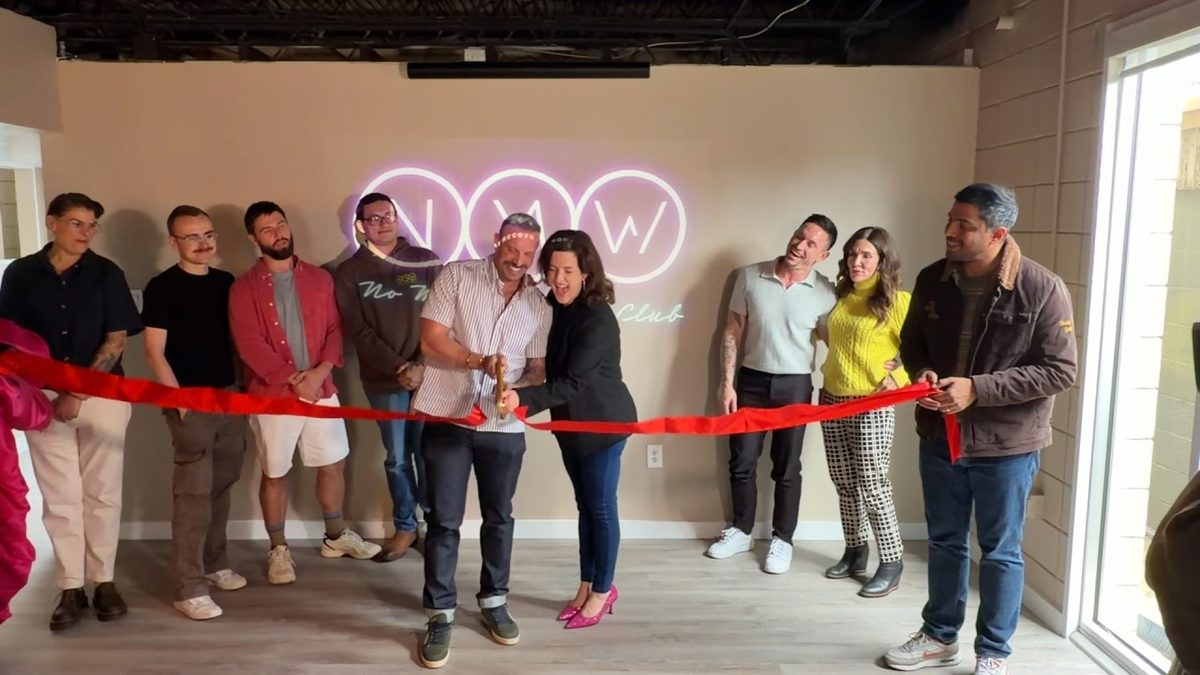
The Los Angeles-based organization opened its first Texas clinic in Austin on Nov. 17. The outpatient center offers therapy, psychiatric care, and medication-assisted treatment, with a focus on issues like chemsex (using drugs to enhance sex) and minority stress.

Why it matters

If the clinic succeeds, it could show how to expand culturally competent addiction care in states with large LGBTQ+ populations and few specialized services.

Last Monday's email for Austin, TX

Sent Nov 16. It carried:

Get next Monday's: one short email a week. Free. Unsubscribe in one click.

Questions about this story

Free account needed to ask — your question is kept and asked for you right after sign-up. Answers are public.

No questions yet — be the first to ask.

Key Indicators

5
Sober living homes in Los Angeles
No Matter What Recovery operates five sober living homes in LA.
40
Clients served in LA sober living
The LA facilities can serve up to 40 clients.
6
Detox beds in Los Angeles
The LA detox facility has six beds.
3
Clinics operated
No Matter What Recovery now operates clinics in Los Angeles, Chicago, and Austin.

Voices

Curated perspectives — historical figures and your fellow readers.

Sign up to generate historical perspectives on this story.

People Involved

Organizations Involved

Timeline

2006 November 2026

4 events Latest: Today
Tap a bar to jump to that date
  1. Austin clinic opens

    Today Opening

    No Matter What Recovery opens its first Texas clinic in Austin, offering outpatient treatment.

  2. Expansion to Chicago

    Expansion

    No Matter What Recovery opens a clinic in Chicago earlier in the year.

  3. No Matter What Recovery founded

    Organization

    Paulo and Anthony Arranaga-Grayson launch the organization during the COVID-19 pandemic.

  4. Paulo Arranaga-Grayson gets sober

    Personal

    Displaced by Hurricane Katrina, he gets sober in Chicago but finds few LGBTQ+ resources.

Scenarios

1

Austin clinic remains open through 2027

Likely Resolves by End of 2027

Discussed by: No public predictions; based on the organization's expansion pattern

The clinic continues to operate and serve clients, becoming a fixture in Austin's recovery community.

2

No Matter What Recovery opens a second Texas clinic by 2028

Possible Resolves by End of 2028

Discussed by: Not yet predicted; depends on demand and funding

The organization expands to another Texas city, such as Houston or Dallas, replicating its Austin model.

3

Austin clinic closes by end of 2027

Unlikely Resolves by End of 2027

Discussed by: Not predicted; would require significant challenges

The clinic shuts down due to low demand, funding shortfalls, or regulatory pressure.

Historical Context

3 moments from history that rhyme with this story — and how they unfolded.

1969

Los Angeles LGBT Center (1969)

Founded as the Gay Community Services Center in a small storefront, it provided health services and advocacy for LGBTQ+ people.

Then

It became a hub for the community.

Now

It grew into the largest LGBTQ+ organization in the world, offering medical, mental health, and social services.

Why this matters now

Shows how a community-specific health center can start small and expand to meet a wide range of needs.

1983

AIDS ward at San Francisco General Hospital (1983)

Opened as the first dedicated AIDS ward in the US, providing specialized care for a marginalized community during a health crisis.

Then

It offered compassionate care when many hospitals turned patients away.

Now

It became a model for culturally competent care and helped reduce stigma.

Why this matters now

Illustrates the importance of identity-affirming care for LGBTQ+ people facing health challenges.

1998

The Trevor Project (1998)

Founded to provide crisis intervention and suicide prevention services for LGBTQ+ youth.

Then

It started as a small hotline.

Now

It became a national organization with 24/7 services and research.

Why this matters now

Demonstrates the demand for LGBTQ+ specific mental health services and the impact of focused organizations.

Sources

(1)