


Pull to refresh
Logo
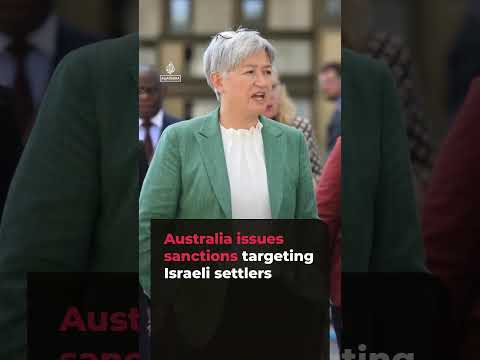
Australia sanctions settler leaders and, for the first time, a construction company

Australia sanctions settler leaders and, for the first time, a construction company

Rule Changes

Three individuals and four organisations are now barred from Australian finance and travel, one day before Israel decides on the E1 settlement

Overview

Updated 5 hours ago

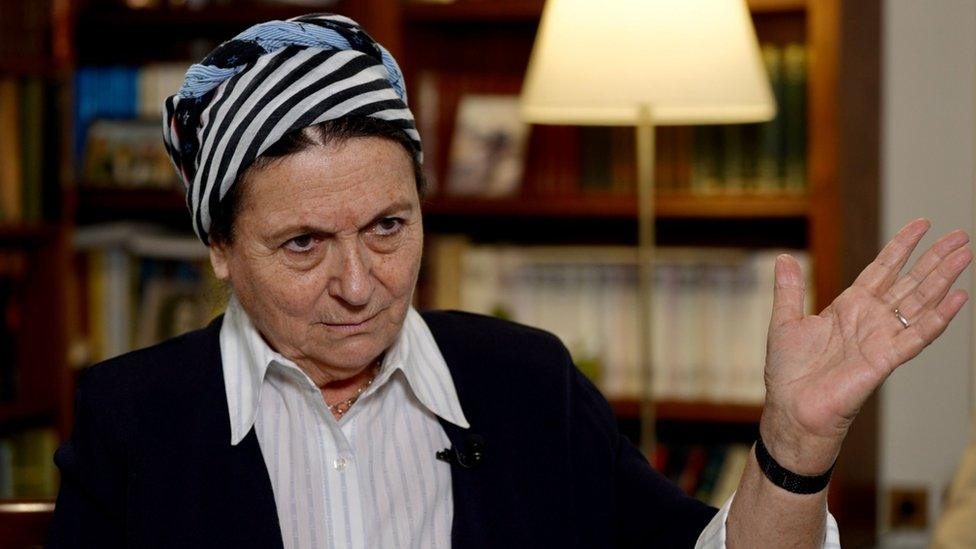
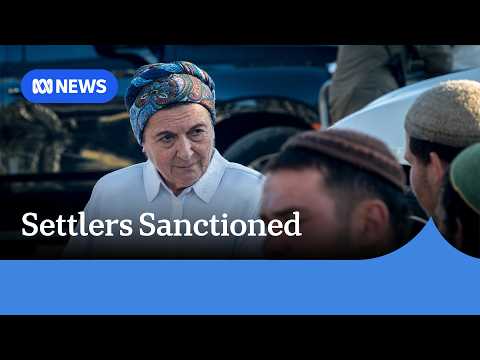
Australia froze the Australian assets of seven Israelis on 18 November and barred them from entering the country: three individuals and four organisations tied to West Bank settlement expansion. Among them is Daniella Weiss, founder of the Nachala movement, who was sanctioned by Britain in 2025 and by the European Union earlier this year. For the first time, the list includes a construction company, Eyal Hari Yehuda Company Ltd.

The measure binds Australians, not Israelis. That is the whole mechanism: any Australian who trades with, funds or holds assets for a listed person commits an offence, and Australian businesses cannot bid on that company's construction tenders. Fines reach $910,000 for individuals and $3.64 million for businesses, with up to ten years in prison. The package landed one day before Israel's caretaker government was due to make final decisions on the E1 settlement, which would split the West Bank in two.

Why it matters

Australian firms can now be fined up to $3.64 million for bidding on a settlement construction tender, a legal duty where there was only rhetoric.

Questions about this story

Free account needed to ask — your question is kept and asked for you right after sign-up. Answers are public.

No questions yet — be the first to ask.

Key Indicators

7
Individuals and entities designated on 18 November
Three people and four organisations, listed under Australia's human rights sanctions criteria.
180+
New settler outposts in the West Bank since 2023
Figure from Peace Now, the Israeli settlement watchdog, cited in Australian coverage of the sanctions.
$3.64 million
Maximum fine for a business breaching the sanctions
Alternatively three times the value of the relevant transaction, per the ministerial release.
$910,000
Maximum fine for an individual breaching the sanctions
The same three-times-value multiplier applies, alongside a maximum ten-year prison term.

Voices

Curated perspectives — historical figures and your fellow readers.

Sign up to generate historical perspectives on this story.

People Involved

Organizations Involved

Timeline

2025 November 2026

7 events Latest: Today
Tap a bar to jump to that date
  1. Australia designates three settlers and four organisations

    Today Sanctions

    Financial sanctions and travel bans, including the first Australian listing of a construction company.

  2. UK sanctions eight settlement construction firms and Tzav 9

    Sanctions

    Britain targets companies building settlements and a group that has blocked aid convoys bound for Gaza.

  3. UN records a rise in settlement attacks

    Report

    Wong cites the October increase when explaining why Australia acted when it did.

  4. Wong says Australia is weighing its own measures

    Statement

    Australia declines to join a British-led package at that point; the ABC later reports it withdrew at the last minute.

  5. European Union lists Weiss

    Sanctions

    Brussels follows London with its own measures against the Nachala founder.

  6. Britain sanctions Daniella Weiss

    Sanctions

    The UK freezes the Nachala founder's assets and bans her travel, the first of three Western governments to act against her.

  7. Australia recognises Palestinian statehood

    Diplomacy

    Australia joins a group of countries in recognising a Palestinian state in late 2025.

Scenarios

1

Israel's caretaker government approves E1 tenders

Likely Resolves by Q1 2027

Discussed by: Foreign Minister Penny Wong, who named the 19 November decision date, and ABC News

Wong said final decisions on the E1 settlement east of Jerusalem were being made on 19 November, and urged Israel to desist because the project would make a Palestinian state hard to assemble. If tenders or construction permits follow, the settlement becomes physical infrastructure rather than a plan, and Australia has signalled further sanctions would follow.

2

Australia adds another tranche within six months

Possible Resolves by May 31, 2027

Discussed by: Wong, who said Australia and partners will keep assessing further action

The ministerial release states that Australia acted in coordination with international partners and will continue to assess further measures. Each previous Australian tranche has been followed by another, and the September commitment to pursue additional targeted measures remains open. New listings would appear on the DFAT Consolidated List rather than in legislation.

3

Israel retaliates against Australia

Possible Resolves by Feb 28, 2027

Discussed by: Wong, who described earlier Israeli responses in her ABC Radio National interview

Israel has already asked Australian diplomats to leave Ramallah and Netanyahu has criticised Canberra publicly over sanctions on his ministers. A further round of designations gives Israel another occasion to respond. The question is whether retaliation stays symbolic or reaches trade and consular access.

4

Australia moves from blacklists to a trade ban on settlement goods

Unlikely Resolves by End of 2027

Discussed by: Al Jazeera, which noted the UK and allied European nations have imposed wider trade bans Australia has not matched

Australia's tool stops at named people and entities. Britain and some European states have gone further, restricting trade connected to settlements. Adopting that approach would require new regulations and would hit goods, not just individuals, which is a substantially larger economic step for a country that has so far avoided it.

Historical Context

3 moments from history that rhyme with this story — and how they unfolded.

February 2024

US executive order on settler violence (2024)

President Joe Biden signed an executive order allowing the Treasury to freeze US assets of people involved in violence or displacement in the West Bank. In August 2024 Washington designated Hashomer Yosh, a settler group tied to guarding unauthorised outposts, cutting it off from US money and equipment.

Then

A handful of individuals and one prominent settler group lost access to the US financial system.

Now

The designations gave allied governments a ready list of names and organisations to copy.

Why this matters now

Australia's tranche uses the same tool and, with Hashomer Yosh, the same target.

2025

Britain sanctions Daniella Weiss (2025)

The UK listed Weiss under its human rights sanctions regime, freezing her assets and banning her travel, then widened its approach in November 2026 to eight settlement construction companies and the group Tzav 9.

Then

The European Union followed with its own listing in 2026; Australia held back and in September said it would not join that round.

Now

Weiss became the test case for whether coordinated designations change settler behaviour or simply reroute funding.

Why this matters now

Australia's 18 November package is explicitly a coordination with London, announced the day after the British tranche.

2012

Magnitsky-style targeted sanctions (2012 onward)

The US Magnitsky Act named individuals rather than countries, freezing assets and blocking travel over human rights abuses. Dozens of governments later built comparable regimes, which is the family Australia's Autonomous Sanctions Regulations belong to.

Then

Named officials and businessmen found themselves cut off from Western banking and travel.

Now

Sanctions became a personal legal status for individuals, not a diplomatic signal between states.

Why this matters now

Australia is acting on seven named parties, not on Israel, which is why the measure is legally enforceable but diplomatically limited.

Sources

(10)