



2005-2014
PARP inhibitors and the BRCA discovery (2005–2014)
Researchers found that cells with mutated BRCA genes had lost one DNA-repair backup, homologous recombination. Drugs blocking a second repair pathway, poly(ADP-ribose) polymerase (PARP), then killed cancer cells that normal cells tolerated — a concept called synthetic lethality.
Then
Phase 1 trials showed dramatic responses in BRCA-mutant ovarian and breast cancers; olaparib was approved in 2014.
Now
The principle of exploiting a cancer cell's missing backup system spawned a drug class and shaped how scientists hunt for vulnerabilities in other tumors.
Why this matters now
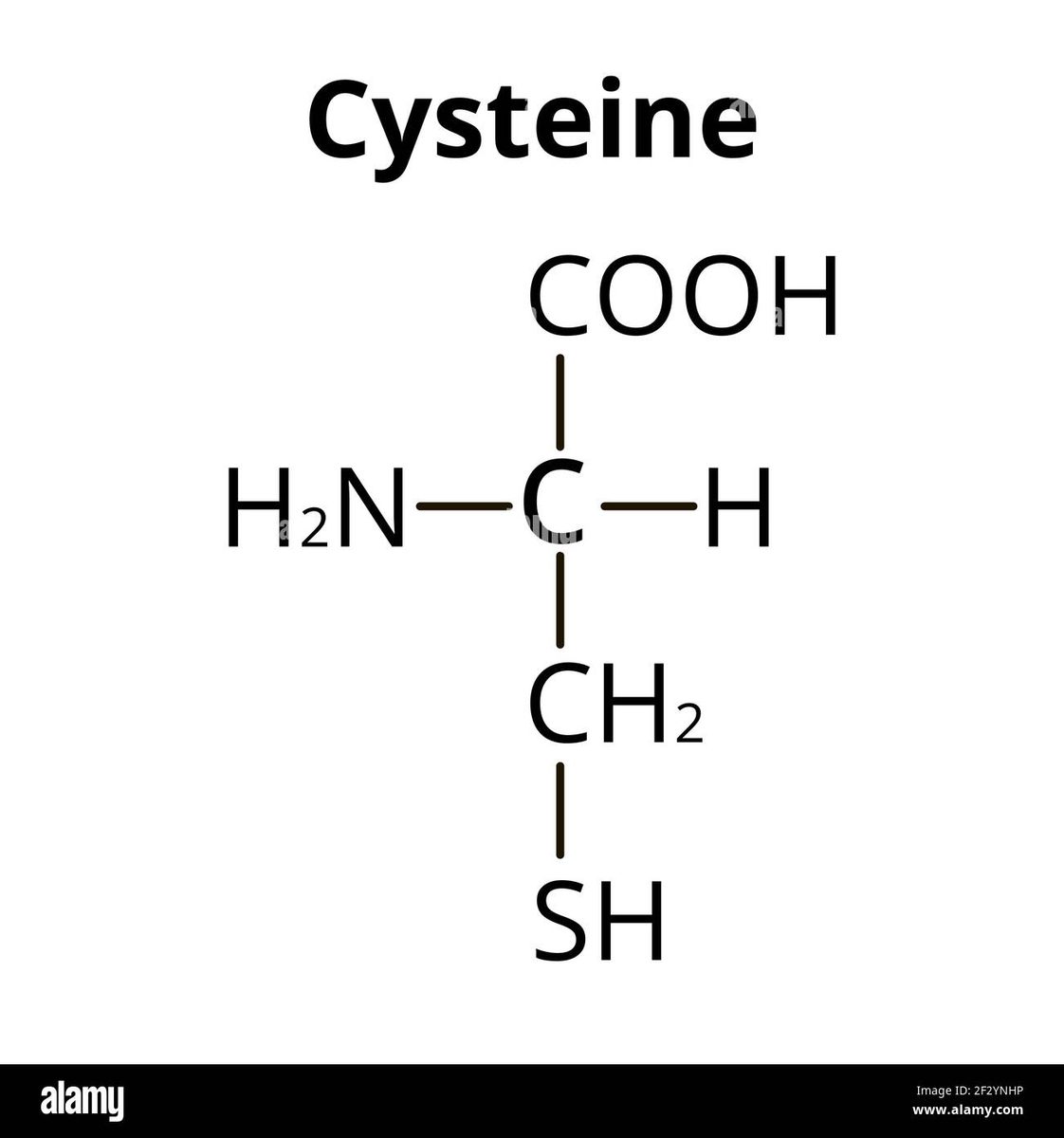
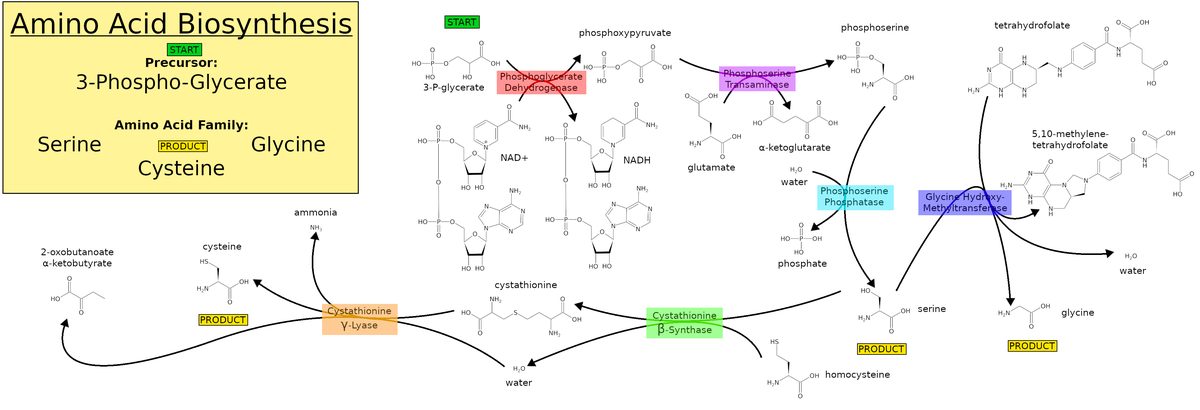
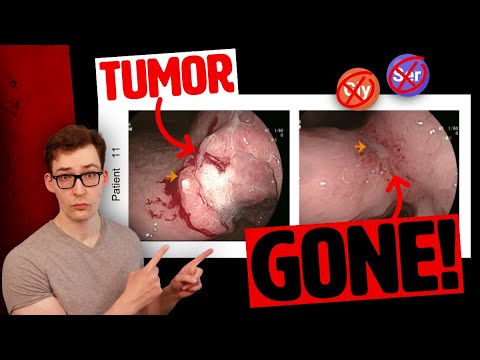
The cysteine discovery identifies a backup metabolic route cancer cells may lean on; disabling it could offer a similar synthetic-lethality approach to therapy.