
Pull to refresh
Logo
Daily Brief
Following
Why Sign Up
Russia restores ISS launch capability after Baikonur pad collapse

Russia restores ISS launch capability after Baikonur pad collapse

New Capabilities
By Newzino Staff |

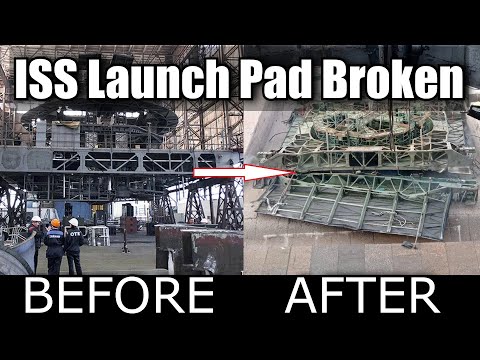
A 22-ton service cabin fell into a flame trench in November, locking Russia out of human spaceflight for 115 days

Today: Progress MS-33 launches from restored pad, restoring ISS access

Overview

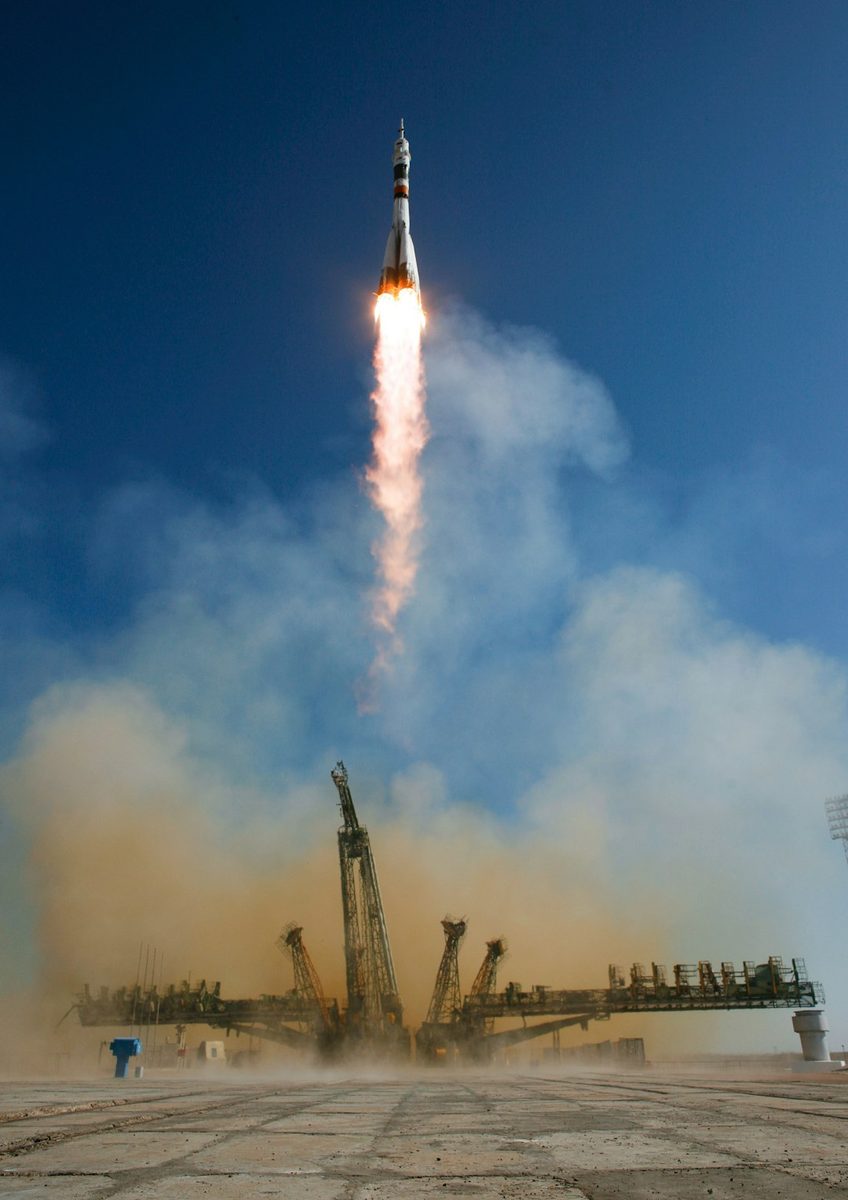
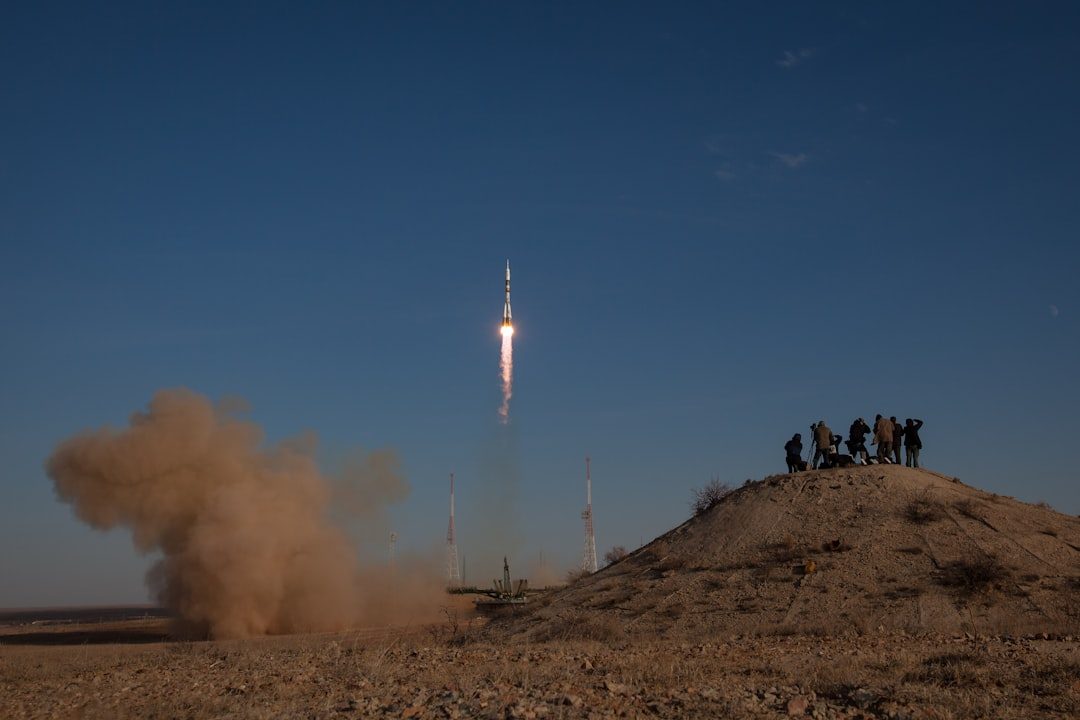
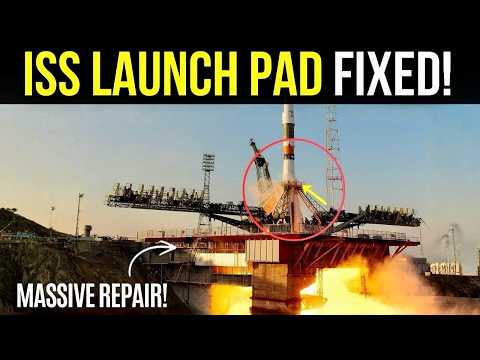
Russia has not been able to send a single spacecraft to the International Space Station (ISS) since November 27, when a 22-ton service cabin tore loose during a rocket launch and crashed into the flame trench at Baikonur Cosmodrome in Kazakhstan — the only launch site on Earth configured for Russian crewed and cargo missions to the station. On March 22, a Soyuz-2.1a rocket carrying the Progress MS-33 cargo ship lifted off from that same repaired pad, restoring a logistics pathway that had been severed for 115 days.

Why it matters

A single unsecured platform revealed that one of two spacefaring nations can lose all crewed launch capability overnight.

Key Indicators

115
Days without ISS launch capability
The longest gap in Russian ISS access since the station became permanently crewed in 2000
~2,500 kg
Cargo delivered by Progress MS-33
Food, fuel, water, and science equipment for the seven-person Expedition 74 crew
150+
Workers involved in pad repair
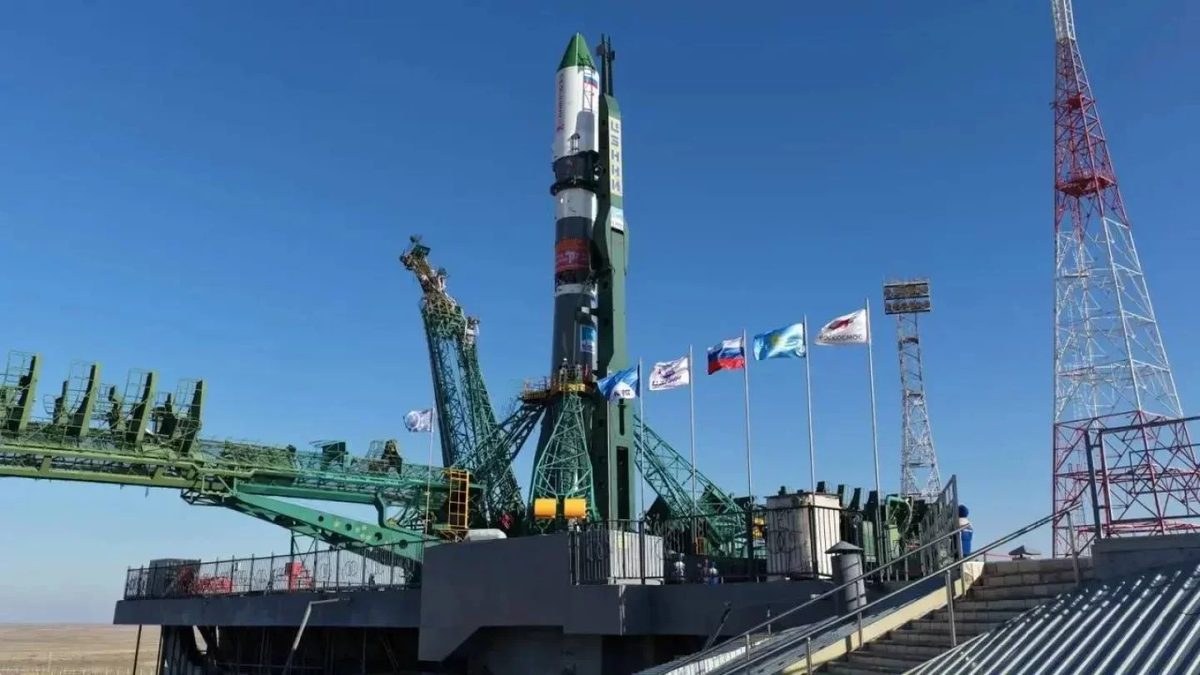
Roscosmos subsidiary TsENKI and four contractors completed 250+ meters of welding and full electrical replacement
1
ISS-capable launch pad remaining
Russia has no backup — Vostochny Cosmodrome cannot support crewed or ISS cargo missions

Interactive

Exploring all sides of a story is often best achieved with Play.

Ever wondered what historical figures would say about today's headlines?

Sign up to generate historical perspectives on this story.

Sign Up

Debate Arena

Two rounds, two personas, one winner. You set the crossfire.

People Involved

Organizations Involved

Timeline

  1. Progress MS-33 launches from restored pad, restoring ISS access

    Launch

    A Soyuz-2.1a rocket carrying approximately 2,500 kilograms of food, fuel, water, and equipment lifted off from Site 31/6. One of two Kurs docking antennae failed to deploy, but the mission proceeded. Docking at the Poisk module is expected March 24.

  2. Roscosmos declares pad repairs complete, ahead of schedule

    Milestone

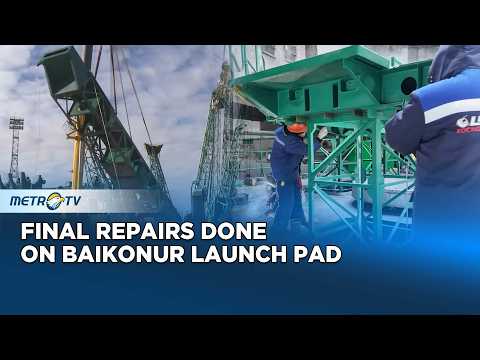
    After roughly two months of active work — including installing 17-ton spare cabin components from 1970s-era Soviet stocks, replacing all electrical systems, and completing 250+ meters of welding — TsENKI declared the pad operational.

  3. SpaceX Crew-12 delivers four new crew members to ISS

    Operations

    NASA astronauts Jessica Meir and Jack Hathaway, European Space Agency (ESA) astronaut Sophie Adenot, and Roscosmos cosmonaut Andrey Fedyaev arrived at the station, bringing the Expedition 74 crew to seven.

  4. Originally scheduled Progress MS-33 launch date passes

    Milestone

    The cargo mission was originally planned for this date. The three-month delay meant the ISS relied entirely on American, Japanese, and European vehicles for resupply during the gap.

  5. Roscosmos targets early 2026 for repair completion

    Statement

    Roscosmos announced that over 150 workers from TsENKI and four contractors were conducting round-the-clock repairs, with a target of completing work in early 2026.

  6. Analysts question why Russia has no backup plan

    Analysis

    Independent assessments noted that Vostochny Cosmodrome cannot support ISS missions due to unsafe emergency landing trajectories, uncertified facilities, and incompatible ground infrastructure. Some estimated repairs could take up to two years.

  7. Scope of damage becomes clear: Russia locked out of ISS

    Assessment

    Post-launch inspections confirmed that Site 31/6 — Russia's only pad configured for crewed Soyuz and Progress cargo missions to the ISS — was inoperable. It was the first time since 1961 that Russia lacked any crewed launch capability.

  8. Soyuz MS-28 launches safely but destroys its own pad

    Incident

    A Soyuz-2.1a rocket launched three crew members to the ISS from Site 31/6 at Baikonur. During liftoff, a 22-ton service cabin that had not been properly secured was dislodged by rocket exhaust and crashed into the flame trench, deforming bridges and access infrastructure.

Scenarios

1

Pad holds, crew rotation resumes on schedule

Discussed by: NASASpaceFlight.com analysts, Roscosmos officials

Progress MS-33 docks successfully and the next crewed Soyuz mission launches from Site 31/6 later in 2026 without incident. The repair holds, the single-point-of-failure problem is acknowledged but not addressed, and ISS operations return to normal through Russia's 2028 commitment. This is the baseline expectation.

2

Further pad problems force emergency ISS logistics shift

Discussed by: Independent space analysts, Space.com, Meduza

The repair proves fragile or another mechanical failure takes Site 31/6 offline again. With no Russian backup, NASA and commercial partners absorb the full ISS resupply and crew rotation burden. This would accelerate discussions about whether Russian ISS participation remains operationally viable and could push forward the timeline for ISS deorbit.

3

Incident accelerates Vostochny crewed launch development

Discussed by: Russian Academy of Cosmonautics, Russian defense analysts

The 115-day vulnerability — combined with rising lease tensions with Kazakhstan — provides political cover for Roscosmos to secure funding for crewed launch infrastructure at Vostochny. Technical barriers remain steep (emergency landing zones, capsule certification, missing ground systems), so this would be a multi-year effort with uncertain outcomes, but the November incident made the status quo harder to defend.

4

Russia exits ISS early, pivots to national station

Discussed by: SpaceNews, Russian state media

If further incidents, budget pressure, or geopolitical deterioration make ISS participation untenable, Russia could exit before its 2028 commitment. Roscosmos has been developing the Russian Orbital Service Station (ROSS) as a successor. An early ISS exit would reshape the station's operational model and accelerate NASA's deorbit planning.

Historical Context

SpaceX SLC-40 Pad Explosion and Rebuild (2016-2017)

September 2016 - December 2017

What Happened

On September 1, 2016, a SpaceX Falcon 9 rocket exploded during a pre-launch fueling test at Space Launch Complex 40 at Cape Canaveral, destroying the Amos-6 communications satellite and severely damaging the pad's transporter-erector-launcher, propellant systems, and electrical infrastructure. SpaceX shifted launches to Kennedy Space Center's Pad 39A while rebuilding.

Outcome

Short Term

SpaceX was grounded from SLC-40 for 15 months, relying on a single alternative pad to maintain its commercial launch schedule.

Long Term

The rebuilt pad incorporated upgrades that improved turnaround time. The incident demonstrated that a well-funded commercial operator could recover from catastrophic pad damage, though 15 months was considered fast.

Why It's Relevant Today

Russia's three-month repair was even faster, but the situations differ sharply: SpaceX had an alternative pad and no dependence on a foreign government's territory. Russia had neither.

Space Shuttle Columbia Disaster and Return to Flight (2003-2005)

February 2003 - July 2005

What Happened

The Space Shuttle Columbia broke apart during reentry on February 1, 2003, killing all seven crew members. NASA grounded the entire shuttle fleet for 29 months while investigating and implementing safety modifications. During the gap, Russia became the sole provider of crew and cargo transport to the ISS, using Soyuz and Progress vehicles.

Outcome

Short Term

The ISS crew was reduced to two people for over two years, and station construction halted. Russia's Progress and Soyuz spacecraft kept the station alive.

Long Term

The grounding accelerated NASA's decision to retire the shuttle fleet and develop commercial crew alternatives, ultimately leading to SpaceX and Boeing crew programs.

Why It's Relevant Today

The roles are now reversed: in 2003, Russia kept the ISS running when America lost launch capability. In 2025-2026, American and partner vehicles sustained the station when Russia lost its own. The parallel underscores how ISS operations depend on redundancy across international partners.

Nedelin Catastrophe at Baikonur (1960)

October 1960

What Happened

On October 24, 1960, an R-16 intercontinental ballistic missile exploded on its launch pad at Baikonur, killing Marshal Mitrofan Nedelin and between 54 and 120 other military and technical personnel. It remains the deadliest accident in the history of rocketry. The Soviet government kept it secret for nearly 30 years.

Outcome

Short Term

The pad was rebuilt and the R-16 program continued. The disaster was concealed from the public and attributed to a plane crash.

Long Term

October 24 became Baikonur's unofficial memorial day — no launches have been attempted on that date since. The catastrophe shaped Soviet launch safety protocols for decades.

Why It's Relevant Today

Baikonur has a long history of catastrophic pad incidents followed by rebuilds. The November 2025 damage caused no casualties, but it echoed a recurring pattern: critical infrastructure at the cosmodrome failing with consequences that ripple through the entire space program.

Sources

(12)