

Pull to refresh
Logo
Bangka slow loris confirmed alive after decades without a scientific record

Bangka slow loris confirmed alive after decades without a scientific record

New Capabilities

Rescue records from Indonesia's Bangka Island document more than 90 animals since 2015.

Overview

Updated 2 hours ago

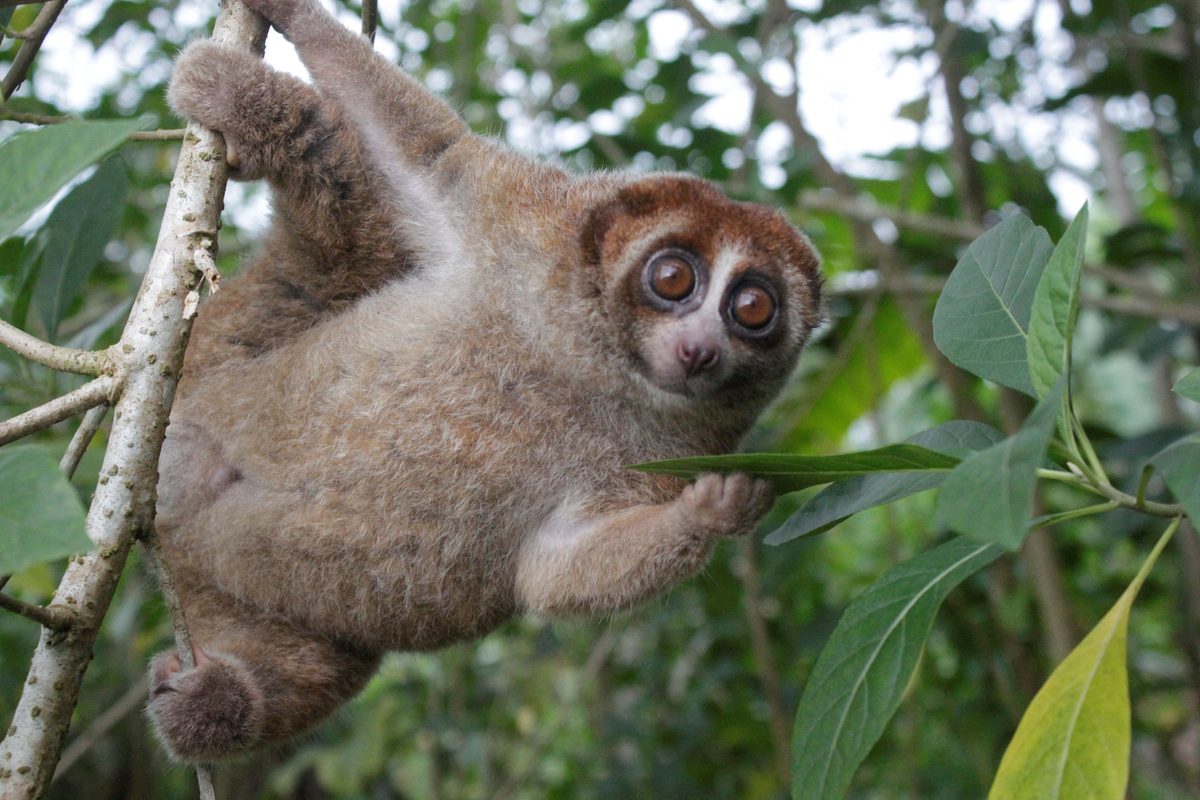
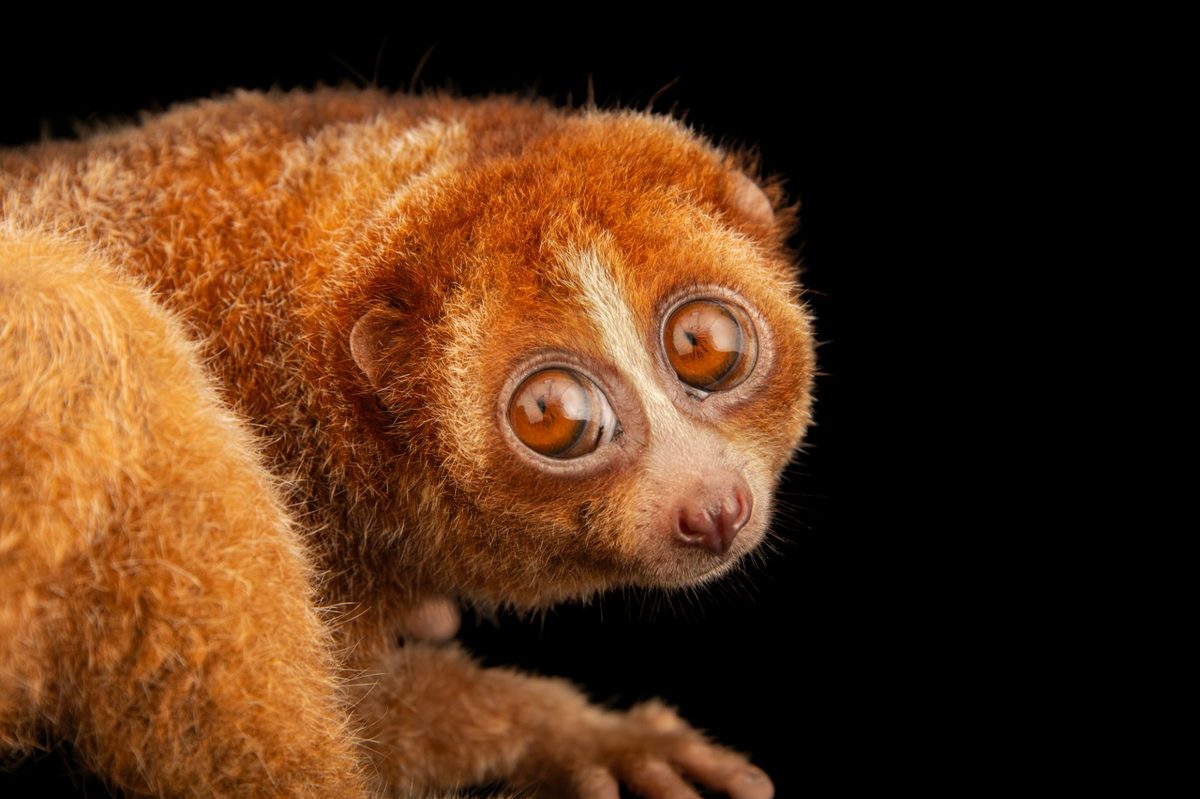
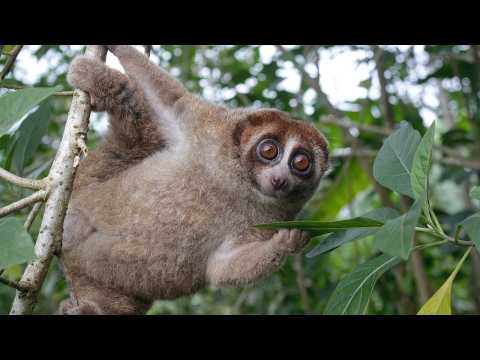
For nearly nine decades, the Bangka slow loris existed in science as a handful of museum specimens and an open question. A rescue center on Bangka Island has now documented more than 90 of the animals since 2015, turning a presumed extinction into a conservation problem.

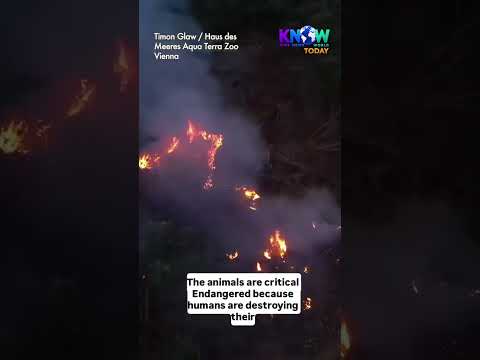
The evidence comes from rescue records, not a systematic survey. Most of the animals were found in gardens, on roads, or after electrical burns. Much of Bangka's forest has been lost to tin mining and palm oil, and the study recommends protected habitat and a captive breeding program.

Why it matters

A primate listed as possibly extinct is still widespread on Bangka, but its forest is being lost faster than scientists can survey it.

Questions about this story

Free account needed to ask — your question is kept and asked for you right after sign-up. Answers are public.

No questions yet — be the first to ask.

Key Indicators

90+
Slow lorises rescued since 2015
Alobi Wildlife Rescue Center has handled more than 90 Bangka slow lorises.
86
Released on Bangka Island
Most rescued animals were released at seven sites chosen by the rescue center.
43
Detailed rescue cases since 2021
The study provides specific rescue circumstances for 43 individuals.
7
Rescued with electrical burns
Seven animals had injuries consistent with contact with power lines.
62%
Forest habitat lost, 2000-2012
The species' forest habitat declined by 62 percent over twelve years.
1937
Year of last scientific record
The IUCN used 1937 as the last record, though the exact date is uncertain.

Voices

Curated perspectives — historical figures and your fellow readers.

Sign up to generate historical perspectives on this story.

People Involved

Organizations Involved

Timeline

1906 November 2026

8 events Latest: Yesterday
Tap a bar to jump to that date
  1. Rediscovery findings reported

    Latest Report

    Human Progress publishes a summary of the Spixiana study.

  2. Study published in Spixiana

    Publication

    Paper documents rescue records and recommends conservation measures.

  3. Rescue data collection ends

    Data collection

    Alobi has recorded more than 90 rescues since 2015.

  4. Field visit finds no lorises

    Survey

    Team visits Bukit Mangkol, sees forest fire and tin mining, no lorises.

  5. Detailed rescue records begin

    Data collection

    The study later provides specific circumstances for 43 individuals rescued since 2021.

  6. Alobi begins rescuing the species

    Conservation

    Rescue center starts handling Bangka slow lorises; more than 90 by 2025.

  7. Last historical record examined

    Historical record

    Sody examines three adult males; IUCN later uses 1937 as last record.

  8. Bangka slow loris first described

    Taxonomy

    Nycticebus bancanus is described from museum specimens.

Scenarios

1

IUCN drops 'Possibly Extinct' tag from Bangka slow loris

Likely Resolves by End of 2027

Discussed by: The study's authors, who recommend a reassessment

The authors say the rescue records show the species is not extinct and appears widely distributed on Bangka. A revised Red List assessment would remove the Possibly Extinct label and change how conservation groups prioritize the species.

2

Indonesia establishes protected habitat for Bangka slow loris

Possible Resolves by End of 2028

Discussed by: The study's authors

The paper recommends an in-place conservation program focused on protecting suitable habitat. That would require Indonesian authorities to designate or strengthen protection for forest fragments on Bangka.

3

Captive breeding program starts for Bangka slow loris

Possible Resolves by End of 2027

Discussed by: The study's authors

The paper proposes an ex situ breeding program for animals unsuitable for release. Alobi or Taman Safari Prigen could host it, which would let researchers study the species' biology and behavior.

Historical Context

3 moments from history that rhyme with this story — and how they unfolded.

December 1938

Coelacanth rediscovered (1938)

A fishing trawler off South Africa caught a large, unusual fish. Ichthyologist J.L.B. Smith identified it as a coelacanth, a lineage known only from fossils and presumed extinct for about 65 million years.

Then

Living coelacanths were later found near the Comoros.

Now

The discovery showed that a species can survive unnoticed in remote habitats.

Why this matters now

The Bangka slow loris case follows a similar pattern: a species presumed extinct survives in places scientists stopped checking.

2001

Lord Howe Island stick insect rediscovered (2001)

Rats introduced to Lord Howe Island in 1918 wiped out the flightless stick insect. In 2001, climbers found a small population on Ball's Pyramid, a nearby sea stack.

Then

Melbourne Zoo began a captive breeding program.

Now

The insect became a case study in breeding programs buying time for species with no safe wild habitat.

Why this matters now

The Bangka study recommends captive breeding for slow lorises that cannot be released.

2023

De Winton's golden mole rediscovered (2023)

The golden mole had not been recorded since 1936. Researchers used environmental DNA from South African sand dunes to confirm it was still present.

Then

The species was rediscovered without direct sightings.

Now

The method showed how genetic tools can confirm elusive animals.

Why this matters now

The Bangka study also calls for molecular confirmation of the species' taxonomic status.

Sources

(4)