
Pull to refresh
Logo
Bogong moth swarms return to southeast Australia after 99.5% population collapse

Bogong moth swarms return to southeast Australia after 99.5% population collapse

New Capabilities

Endangered moths stage a partial recovery — and a citizen-science network is counting every one

2 days ago: Human Progress reports on the moth swarms' return

Overview

Updated 1 hour ago

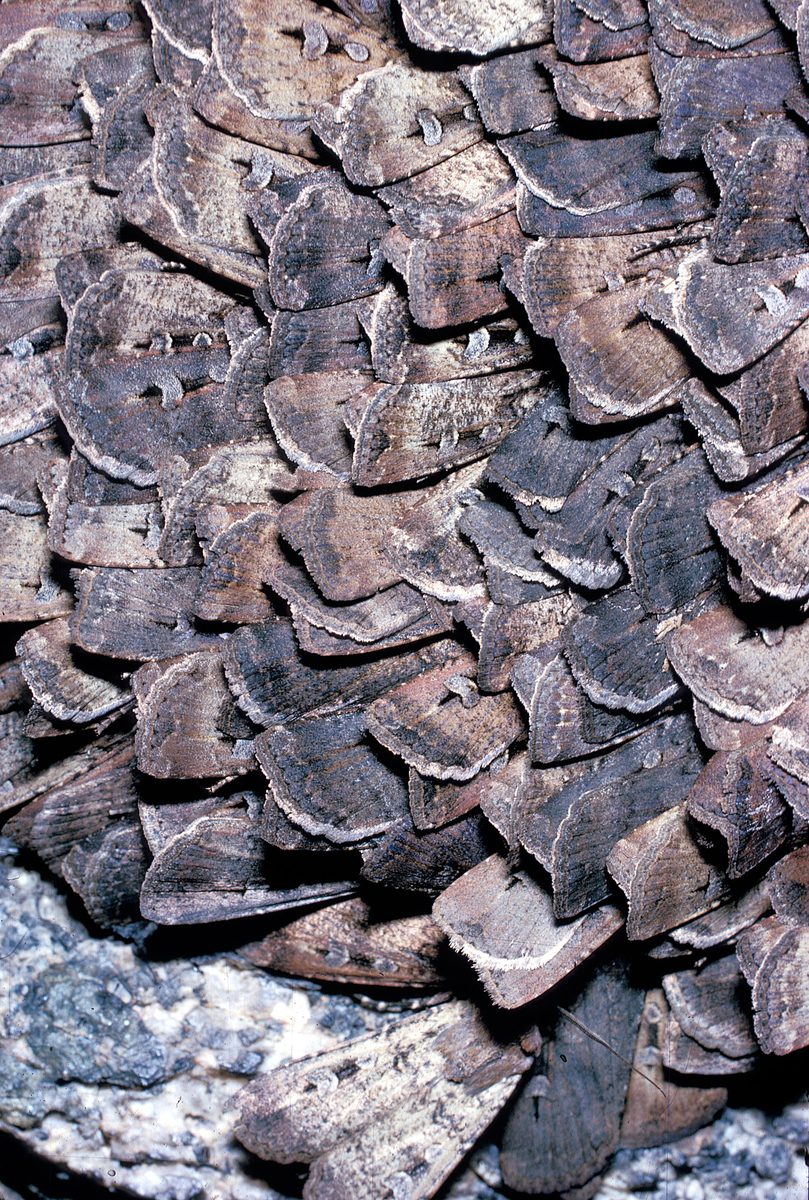
For decades, spring in southeast Australia meant billions of bogong moths streaming toward the Alps to escape summer heat. Then, between 2017 and 2019, severe drought in their breeding grounds collapsed the population by up to 99.5 percent — and in 2021 the moth was listed as endangered by the International Union for Conservation of Nature (IUCN).

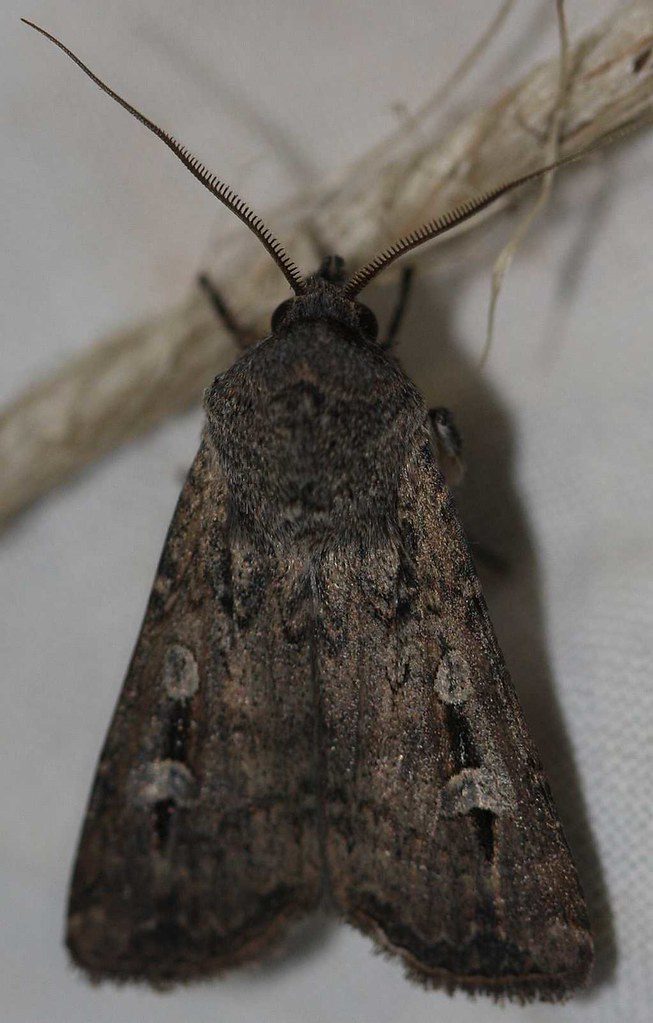
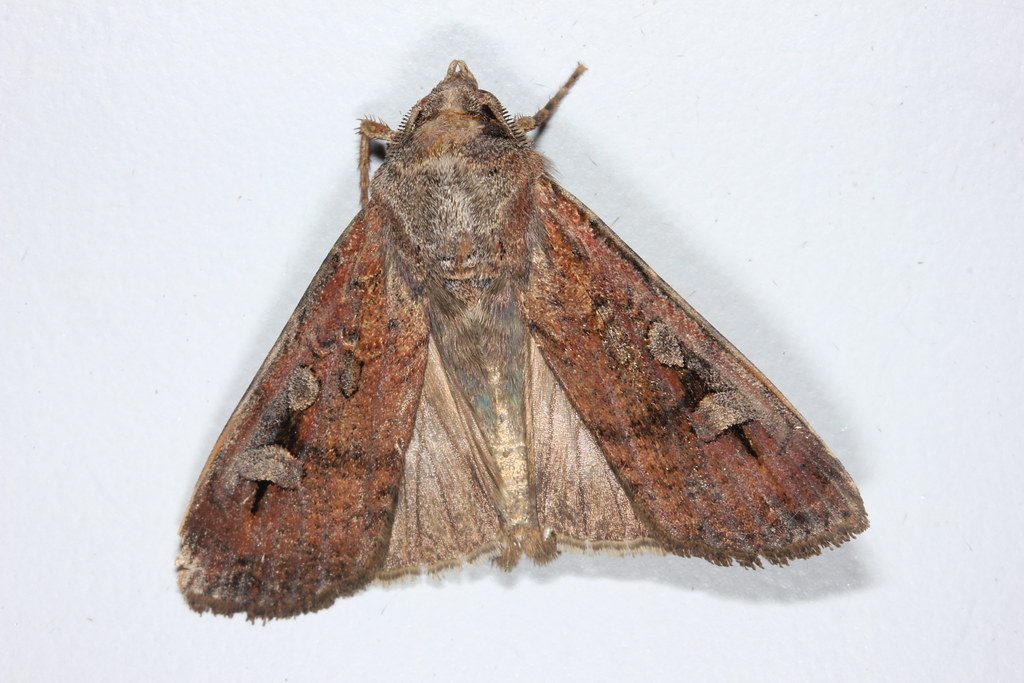
This year, the swarms are back. In September 2026 alone, the citizen-science project Moth Tracker received more bogong moth sightings than all of last year combined — over 4,000 submissions, with more than 1,600 verified as bogong moths. Wetter, cooler weather in breeding areas and favorable northwesterly winds have driven the surge. The return matters beyond spectacle: the moths pollinate native vegetation, ferry protein and nutrients into alpine ecosystems, and serve as a key food source for the critically endangered mountain pygmy-possum.

Why it matters

If the bogong moth population stays on this trajectory, alpine ecosystems and the endangered mountain pygmy-possum that depends on the moths as food get a lifeline.

Questions about this story

Free account needed to ask — your question is kept and asked for you right after sign-up. Answers are public.

No questions yet — be the first to ask.

Key Indicators

99.5%
Population collapse between 2017–2019
Severe drought in breeding grounds drove the near-extinction-level crash.
4,000
Moth Tracker submissions in September 2026
More sightings in one month than all of 2025 combined.
1,600+
Verified bogong moth sightings in September 2026
Confirmed by Moth Tracker's citizen-science analysts.
4 billion
Estimated annual pre-collapse moth arrivals in the Alps
Historical baseline for the migration.

Voices

Curated perspectives — historical figures and your fellow readers.

Ever wondered what historical figures would say about today's headlines?

Sign up to generate historical perspectives on this story.

People Involved

Organizations Involved

Timeline

1980 October 2026

9 events Latest: 2 days ago
Tap a bar to jump to that date
  1. Human Progress reports on the moth swarms' return

    Latest Report

    The organization documents the population recovery, noting over 4,000 Moth Tracker submissions in September alone.

  2. Millions of moths reach Sydney and coastal cities

    Event

    Strong winds push moths off typical inland migration routes toward Sydney and other coastal urban areas.

  3. Swarms attract international attention

    Media

    The return of the swarming moth spectacle becomes an international news story, with researchers urging caution about long-term recovery.

  4. Massive swarms reported across NSW and ACT

    Event

    September 2026 bogong sightings surpass all of 2025 in a single month, triggering widespread public reports.

  5. Moth numbers begin a tentative recovery

    Recovery

    Bogong sightings climb; Moth Tracker records 1,089 verified bogong moths, the previous best year on record.

  6. Bogong moth listed as endangered by IUCN

    Policy

    The International Union for Conservation of Nature lists the species as endangered.

  7. Population collapse continues through second drought year

    Crisis

    Consecutive drought years keep the population at near-collapse levels; alpine ecosystems lose a key food source.

  8. Drought triggers catastrophic population crash

    Crisis

    Severe drought in breeding grounds collapses the bogong moth population by up to 99.5 percent.

  9. Bogong moth population begins long decline

    Trend

    Population falls roughly 50 percent due to habitat destruction, agricultural chemicals, artificial light, and introduced predators.

Scenarios

1

Bogong moth population continues recovering toward pre-collapse levels

Possible Resolves by May 1, 2027

Discussed by: Marissa Parrott (Zoos Victoria), Moth Tracker data

Favorable wetter and cooler conditions persist for another breeding season. The 2027 migration shows further increases in verified sightings, and the IUCN considers downgrading the species from endangered to vulnerable. Alpine ecosystems recover as the moth's protein subsidy to mountain pygmy-possums and soil nutrients is restored. Parrott has said it will take time to return to the species' heyday, but the current trajectory is "a lot healthier."

2

Recovery stalls or reverses under climate stress

Possible Resolves by May 1, 2027

Discussed by: Eleanor Drinkwater (Western Sydney University), Linnea Emneby (Invertebrates Australia)

A return of drought conditions in breeding grounds, or warming temperatures in the alpine caves where the moths spend summer, reduces the 2027 population. Drinkwater has warned that even slight temperature changes alter moth behavior in lab settings, and the caves where the moths shelter are growing warmer. Emneby has noted that climate change makes the species' boom-and-bust cycles worse, with prolonged droughts and new bushfire patterns.

3

Bogong moth receives federal threatened-species protection in Australia

Unlikely Resolves by End of 2027

Discussed by: Conservation advocates, Marissa Parrott

The moth is listed as endangered by the IUCN but is not listed as a threatened species under Australian federal conservation laws. The high-profile 2026 swarms could prompt a reassessment, leading to federal protection that would mandate habitat conservation and reduced light pollution along migration routes. Parrott has called for protection of breeding grounds, planting of native flora along migration routes, and reduction of bright lights.

Historical Context

2 moments from history that rhyme with this story — and how they unfolded.

2013-2026

Monarch butterfly populations in North America (2010s-2020s)

Eastern monarch butterfly populations in North America declined dramatically due to loss of milkweed habitat, pesticide use, and climate stress. Annual winter colony counts in Mexico fluctuated wildly, collapsing to some of the lowest recorded levels in 2013 and again in the early 2020s, then showing partial recoveries in wetter, favorable years.

Then

The U.S. Fish and Wildlife Service proposed listing the monarch as threatened in 2024, and the species became a flagship for pollinator conservation.

Now

The monarch's boom-and-bust cycle demonstrated that a charismatic migratory insect can capture public attention and drive conservation action, but recovery depends on sustained habitat restoration, not single favorable years.

Why this matters now

Both species are migratory insects whose populations swing dramatically with weather and habitat conditions. The monarch's experience shows how a high-profile insect can rally conservation funding and policy attention — a pattern the bogong moth's 2026 return may replicate.

2000-2026

Mountain pygmy-possum decline and recovery (2000s-2020s)

The critically endangered mountain pygmy-possum, Australia's only hibernating marsupial, lost a major food source when bogong moth numbers collapsed. With moths absent from alpine ecosystems, scientists found that possum litters disappeared, and only about 2,000 possums now survive in the wild.

Then

The possum population declined, highlighting the moth's role as a critical alpine food source.

Now

Conservation programs, including captive breeding and habitat corridors, have stabilized some possum populations, but their recovery depends on the moth's return.

Why this matters now

The moth's migration is not just a spectacle — it is a biological subsidy that sustains an entire alpine food web. The 2026 moth return is a direct test of whether possum populations can rebound.

Sources

(10)