
Pull to refresh
Logo
Giant tortoises now outnumber people in the Seychelles

Giant tortoises now outnumber people in the Seychelles

New Capabilities

First rigorous atoll-wide survey puts Aldabra's giant tortoise population at about 180,000 — the highest count ever recorded

2 days ago: Study reports about 180,000 tortoises

Overview

Updated 1 hour ago

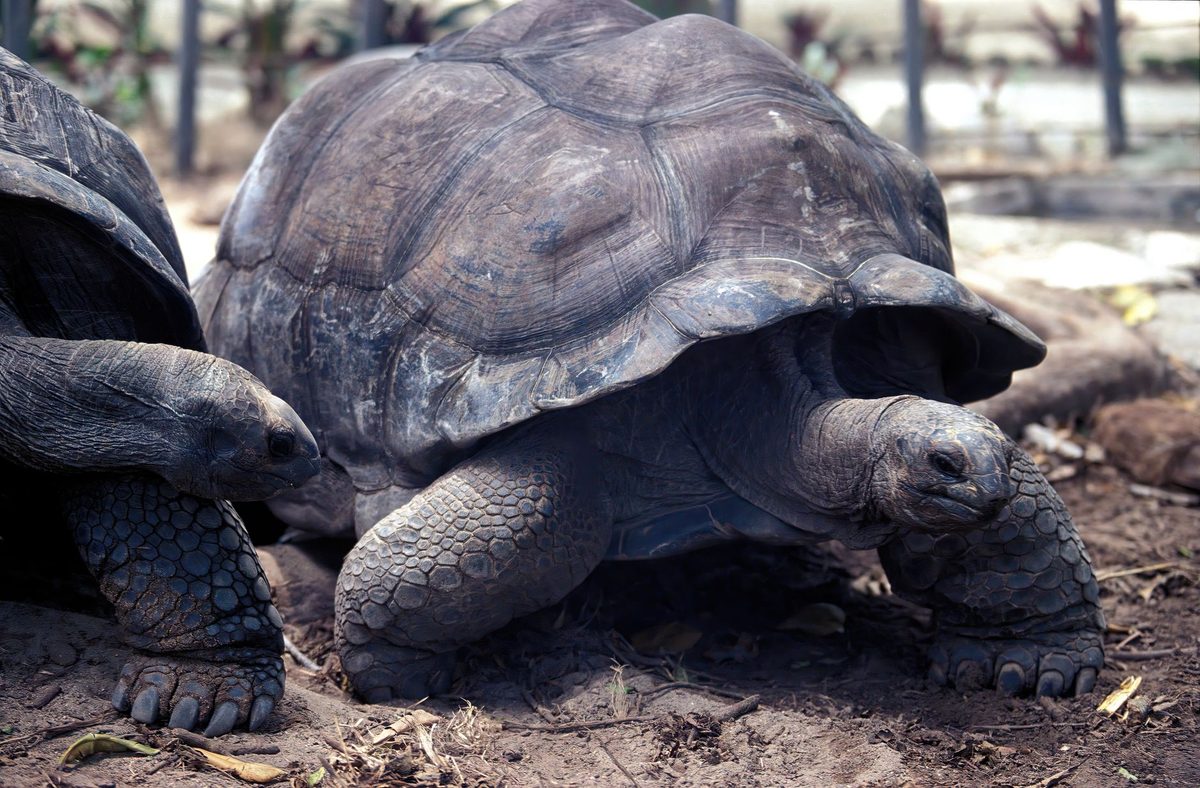
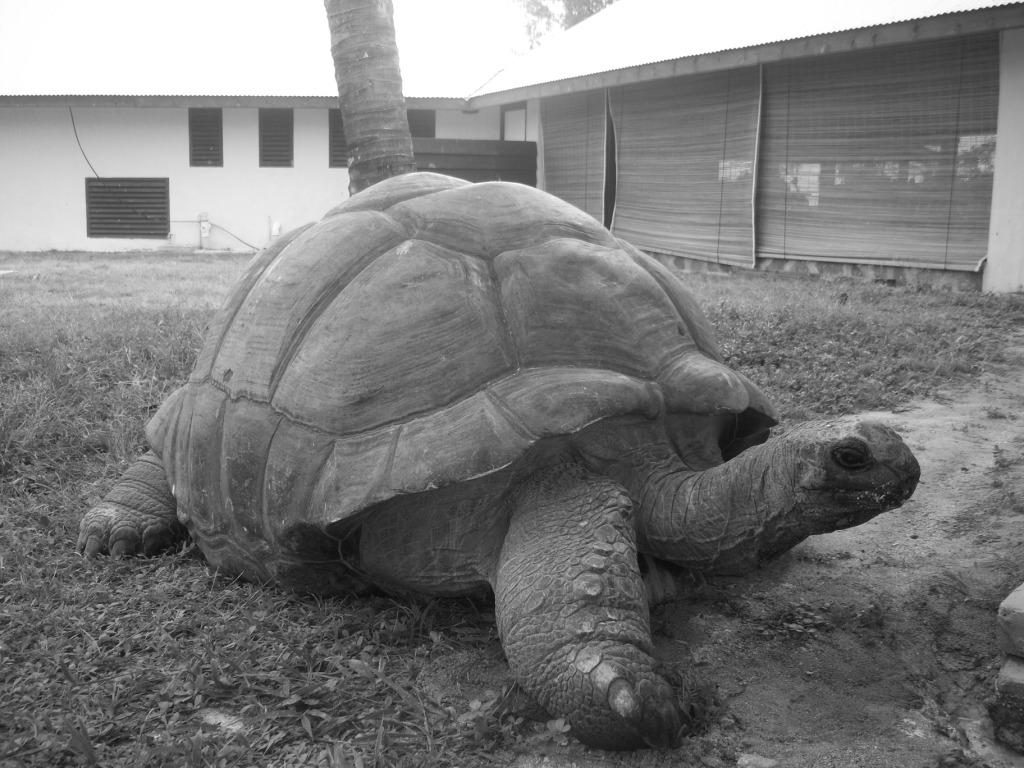
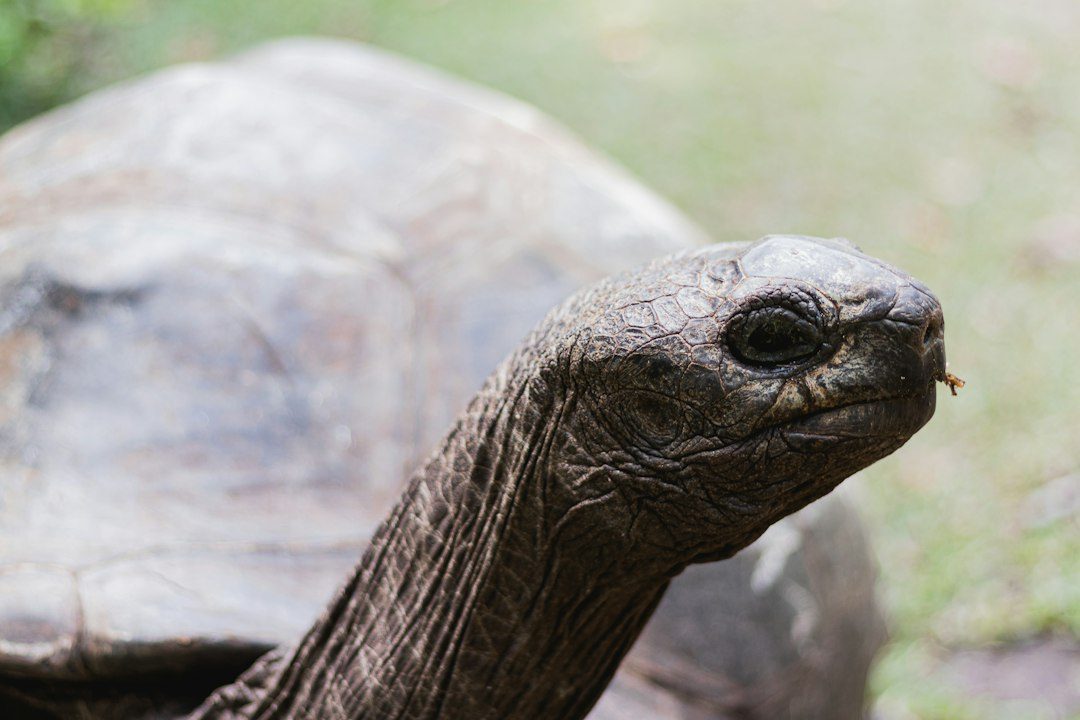
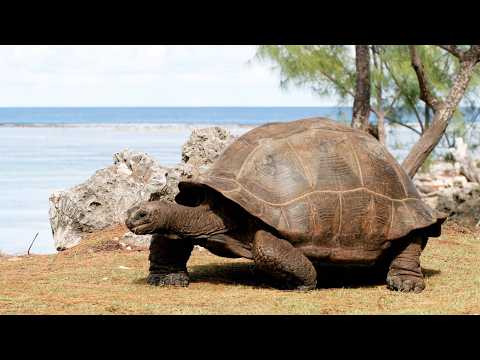
Aldabra Atoll in the Seychelles holds about 180,000 giant tortoises — the largest population ever recorded for the species. That outnumbers the humans living across the whole island nation.

The estimate, published October 8 in the journal Ecology and Evolution, comes from five years of counts collected between 2018 and 2022. It is the first rigorous atoll-wide census, and the first update since the 100,000 figure of the late 1990s. Better counting methods explain much of the jump — but the recovery is real, from fewer than 1,000 tortoises in the 19th century.

Why it matters

A species driven below 1,000 now outnumbers its nation's people — evidence that sustained island protection can reverse extinction trends.

Questions about this story

Free account needed to ask — your question is kept and asked for you right after sign-up. Answers are public.

No questions yet — be the first to ask.

Key Indicators

~183,000
Adult and subadult giant tortoises
Best estimate from Aldabra counts collected 2018–2022.
135,252
Human population of the Seychelles
Tortoises on Aldabra now outnumber the nation's people.
100,000
Late-1990s population estimate
Widely cited figure, now considered an underestimate.
fewer than 1,000
19th-century population low
Heavy exploitation reduced Aldabra's tortoises to this point.

Voices

Curated perspectives — historical figures and your fellow readers.

Ever wondered what historical figures would say about today's headlines?

Sign up to generate historical perspectives on this story.

People Involved

Organizations Involved

Timeline

1800s October 2026

7 events Latest: 2 days ago
Tap a bar to jump to that date
  1. Study reports about 180,000 tortoises

    Latest Publication

    The atoll-wide estimate, the highest ever recorded, is published in Ecology and Evolution.

  2. Five years of counts collected on Aldabra

    Data collection

    Seychelles Islands Foundation staff survey the atoll annually, producing the raw data for the census.

  3. Feral goats eradicated from Aldabra

    Conservation

    Goats that had devastated the atoll's vegetation are removed, easing pressure on tortoise habitat.

  4. Widely cited estimate of 100,000 tortoises

    Measurement

    The late-1990s figure becomes the standard reference for Aldabra's population.

  5. Aldabra named a UNESCO World Heritage site

    Designation

    The atoll gains international protection status, cementing its conservation standing.

  6. Aldabra becomes a strict nature reserve

    Policy

    Seychelles law protects the atoll, giving the tortoise population legal cover for recovery.

  7. Exploitation cuts tortoises to fewer than 1,000

    Historical

    Heavy hunting for food and oil reduces Aldabra's tortoises to under 1,000 animals.

Scenarios

1

Next atoll-wide survey confirms a stable tortoise population

Likely Resolves by End of 2030

Discussed by: Study authors, who note the 2018–2022 counts were relatively stable and describe the population as healthy.

SIF continues year-round monitoring on Aldabra. If the next full survey uses the same corrected methods, a similar estimate would confirm the current count as an accurate baseline for tracking the species over coming decades.

2

SIF eradicates feral cats and black rats from Aldabra

Possible Resolves by End of 2030

Discussed by: Study authors, who name this as the step that could lift the last barriers to population growth.

Feral cats and black rats still prey on tortoise eggs and hatchlings. The authors describe eradication of these invasive mammals as planned, following the successful removal of goats in 2012. Confirmed eradication would remove a major remaining threat.

3

Drought and rising seas shrink the tortoise population

Uncertain Resolves by End of 2035

Discussed by: Study authors' warnings that Aldabra's changing climate will reduce tortoise shade and food.

Longer and more frequent droughts are predicted to reduce the shade and food tortoises depend on, while rising seas threaten low-lying parts of the atoll. Tortoise densities are highest in grasslands most exposed to drought. A declining count in a future survey would mark the first measurable population drop.

Historical Context

3 moments from history that rhyme with this story — and how they unfolded.

1880s to present

American bison recovery (1880s–present)

Hunting and habitat loss reduced North American bison from tens of millions to under 1,000 wild animals by the late 1800s. National parks and managed herds protected the survivors.

Then

A small number of protected herds kept the species alive through the early 1900s.

Now

Recovery and reintroduction programs have since raised the population to roughly 500,000, though mostly on managed lands.

Why this matters now

Both bison and Aldabra's tortoises show that sustained protection can reverse near-extinction, while the threat from habitat change never fully disappears.

1960s to present

Galápagos giant tortoise restoration (1960s–present)

Española Island's giant tortoise population fell to about 15 by the 1960s. A captive-breeding program, including the famous male Diego, bred tortoises in zoos and returned them to the island.

Then

More than 2,000 tortoises have been released back onto Española.

Now

The program became a model for island species recovery, alongside the removal of invasive goats.

Why this matters now

Aldabra's story parallels the Galápagos recovery: both species rebounded after exploitation nearly erased them, aided by protection and invasive-species control.

1700s

Mauritius giant tortoise extinction (1700s)

Mauritius's giant tortoises (Cylindraspis) were hunted to extinction by the mid-1700s, roughly a century after human settlement. They were easy prey and a food source for sailors.

Then

The species vanished within decades of intensive exploitation.

Now

Their loss stands as a contrast to Aldabra, where early protection prevented the same fate.

Why this matters now

The Mauritius tortoises show the outcome Aldabra's tortoises likely faced without the strict protection granted in 1981.

Sources

(7)