


Pull to refresh
Logo
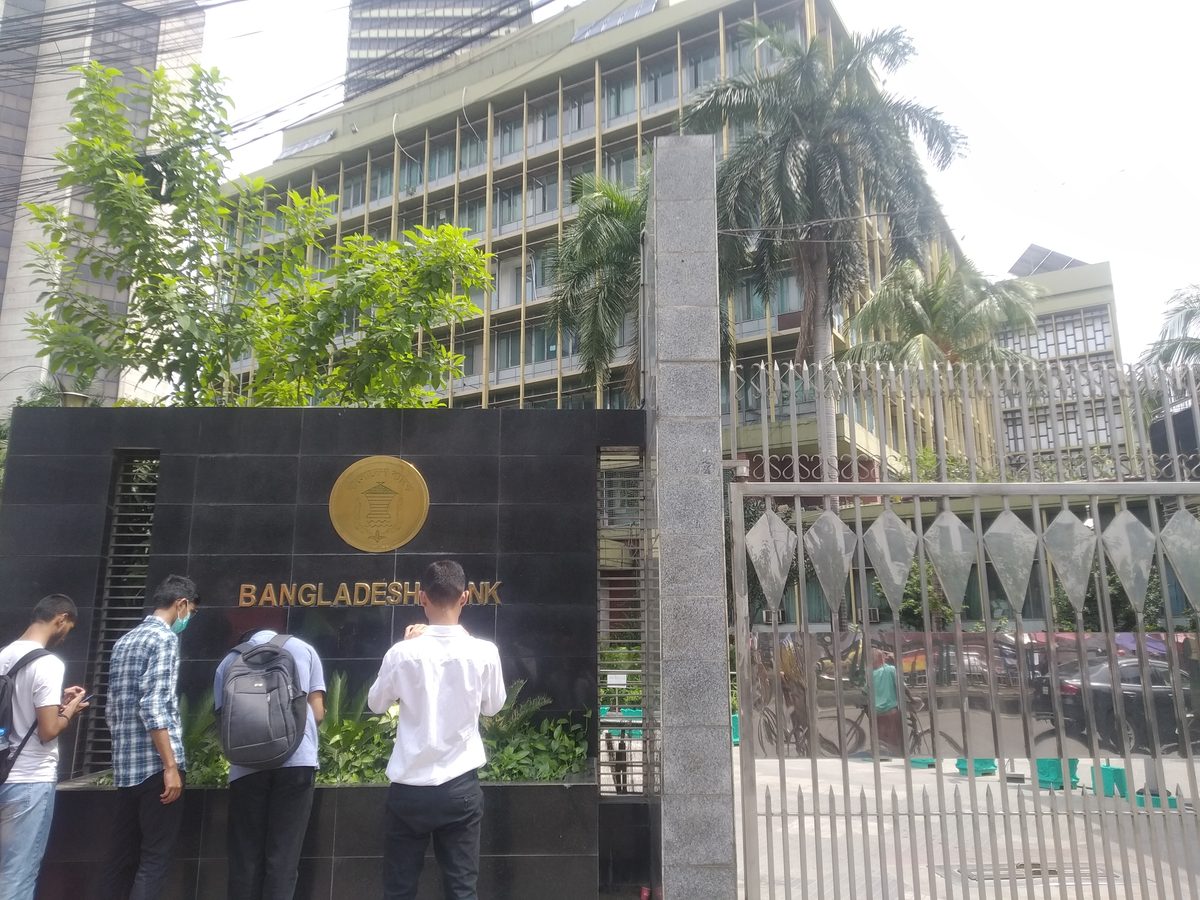
Bangladesh Bank reverses the funding order on its factory revival scheme

Bangladesh Bank reverses the funding order on its factory revival scheme

Rule Changes

Banks must now lend their own money first and claim reimbursement afterward, after about 7 percent of the Tk 20,000 crore fund reached borrowers in five months

Overview

Updated Yesterday

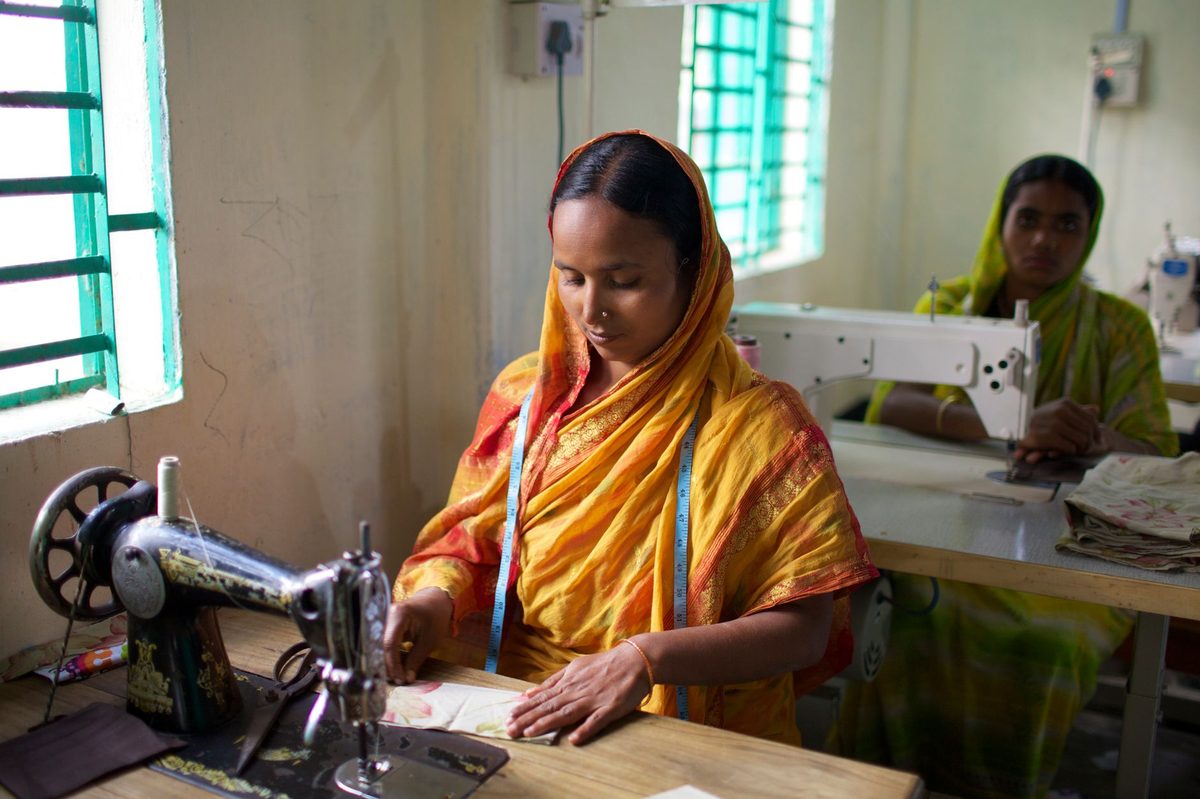
Bangladesh Bank set aside Tk 20,000 crore in June to restart factories that had shut down. By mid-October, about 7 percent of it had reached a borrower.

On November 5, the central bank reversed the order of operations. Banks must now lend from their own balance sheets and apply for reimbursement within a week, rather than drawing central bank money first. The scheme also got a new name, board-level approval for each loan, and signed declarations that borrowers have not been involved in money laundering or fund diversion.

Why it matters

The reversal shifts credit risk onto banks, which may either sharpen lending or stall a fund meant to restart idle factories.

Questions about this story

Free account needed to ask — your question is kept and asked for you right after sign-up. Answers are public.

No questions yet — be the first to ask.

Key Indicators

Tk 20,000 crore
Total fund allocation
Three-year revolving facility created on June 4, 2026.
7%
Share of the fund disbursed by mid-October
Tk 560.93 crore disbursed against a Tk 20,000 crore allocation.
Tk 1,490 crore
Disbursed plus pipeline
Tk 560.93 crore disbursed and Tk 929.50 crore under processing as of October 15.
4%
Central bank refinancing rate
Rate at which banks draw from Bangladesh Bank under the scheme.
7%
Maximum lending rate to borrowers
Cap on what banks can charge qualifying businesses.
6 months
Interest payment grace period
Added in the November overhaul for borrowers under the scheme.

Voices

Curated perspectives — historical figures and your fellow readers.

Sign up to generate historical perspectives on this story.

People Involved

Organizations Involved

Timeline

June 2026 November 2026

5 events Latest: Yesterday
Tap a bar to jump to that date
  1. Revised scheme in force

    Latest Policy

    Banks now fund loans from their own balance sheets before claiming reimbursement from the central bank.

  2. Bangladesh Bank issues circular reversing the funding order

    Policy

    Banks must lend first and claim refinancing within a week. The scheme is renamed and board approval is added.

  3. Disbursements reach Tk 560 crore, about 7 percent of the fund

    Data

    Another Tk 929 crore sat in the pipeline. BGMEA said none of its roughly 200 certified factories had been paid.

  4. Applications reach Tk 800 crore

    Data

    Banks had disbursed Tk 110 crore to eight businesses by this date.

  5. Tk 20,000 crore revival fund launched

    Policy

    Bangladesh Bank creates a three-year revolving facility for closed factories, lending to banks at 4 percent for on-lending at up to 7 percent.

Scenarios

1

Disbursements pass Tk 5,000 crore by mid-2027

Possible Resolves by Q2 2027

Discussed by: Bangladesh Bank disbursement data reported by The Business Standard

Banks absorb the upfront funding cost, tighten screening, and the Tk 929 crore pipeline converts into loans. The six-month interest grace period and the 7 percent cap keep borrowers interested. If monthly disbursements roughly triple their October pace, the fund crosses a quarter of its allocation within a year.

2

Banks retreat and disbursements stall below Tk 2,000 crore

Possible Resolves by Q2 2027

Discussed by: Factory owners and BGMEA officials quoted by The Business Standard and Daily Sun

Lenders now carry credit risk before any reimbursement is assured, and board approval adds a step. Banks become more selective rather than more active, and the anti-money-laundering declarations disqualify applicants with damaged records. The fund stays mostly unused.

3

Bangladesh Bank loosens the rules again

Possible Resolves by End of 2027

Discussed by: Daily Sun reporting on industry calls to relax lending conditions

If the new conditions slow lending further, the central bank faces the same pressure that produced the November rewrite. Industry groups have already asked for relaxed conditions. A second circular could restore partial pre-financing, widen eligibility, or raise the lending ceiling.

Historical Context

2 moments from history that rhyme with this story — and how they unfolded.

April-August 2020

US Paycheck Protection Program (2020)

The US Treasury and Small Business Administration launched PPP to keep workers paid during pandemic shutdowns. Banks originated the loans and the government guaranteed them, so lenders carried little credit risk. Speed came at a cost: hundreds of billions of dollars went out in months, and fraud and eligibility disputes followed.

Then

Millions of businesses received forgivable loans within weeks of applying.

Now

Later rounds added certification requirements and audits. The tradeoff between speed and verification became the program's central design question.

Why this matters now

Bangladesh's scheme faces the mirror-image problem. It began with the government carrying the funding risk and moved slowly. The November rewrite trades speed for screening, the opposite of PPP's tradeoff.

2014-2017

European Central Bank targeted longer-term refinancing operations (2014-2017)

The ECB offered banks cheap long-term funding tied to how much they lent to businesses and households. Banks had to originate loans first and claim the funding afterward, the same sequence Bangladesh Bank adopted in November. Take-up depended on whether banks wanted to expand lending at all.

Then

Banks drew hundreds of billions of euros across the first two rounds.

Now

The design became a template for later ECB programs, including pandemic-era operations.

Why this matters now

It shows that lend-first, fund-later can work, but only when banks already want to lend. Bangladesh's banks have spent five months showing they do not, at least on these terms.

Sources

(8)