
Pull to refresh
Logo
Bangladesh's first nuclear plant begins fission reaction

Bangladesh's first nuclear plant begins fission reaction

Built World

Rooppur Unit 1 reaches criticality, with trial power supply to the national grid expected by December

Today: Unit 1 achieves first criticality

Overview

Updated 1 hour ago

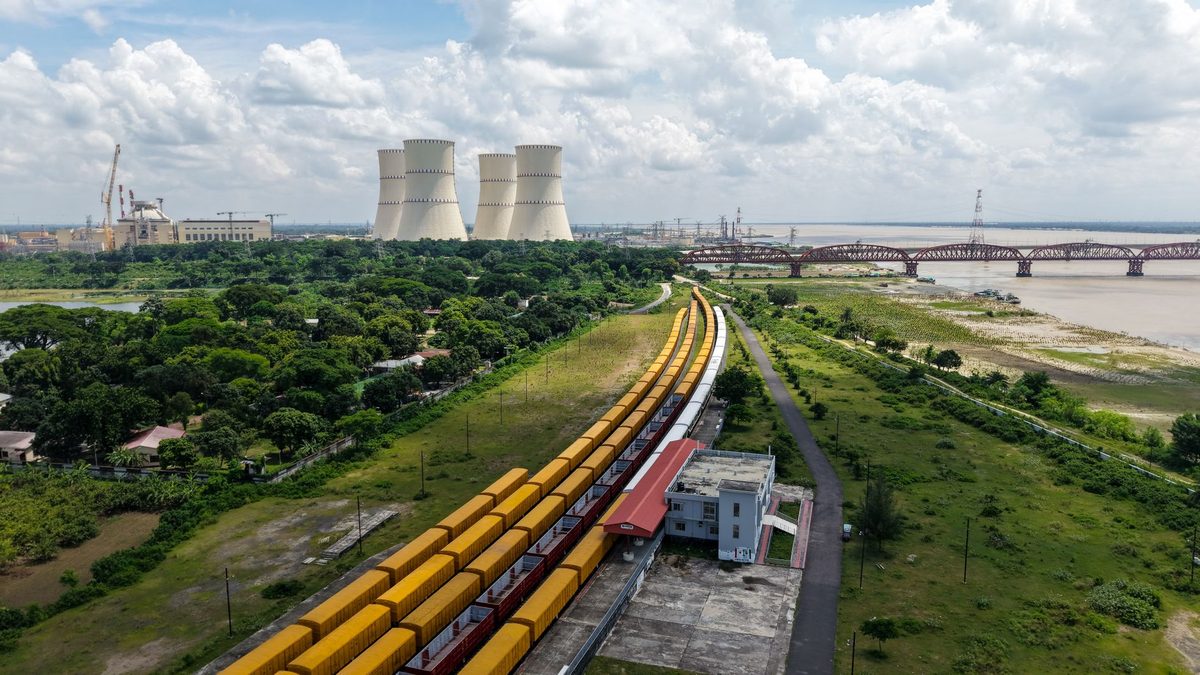
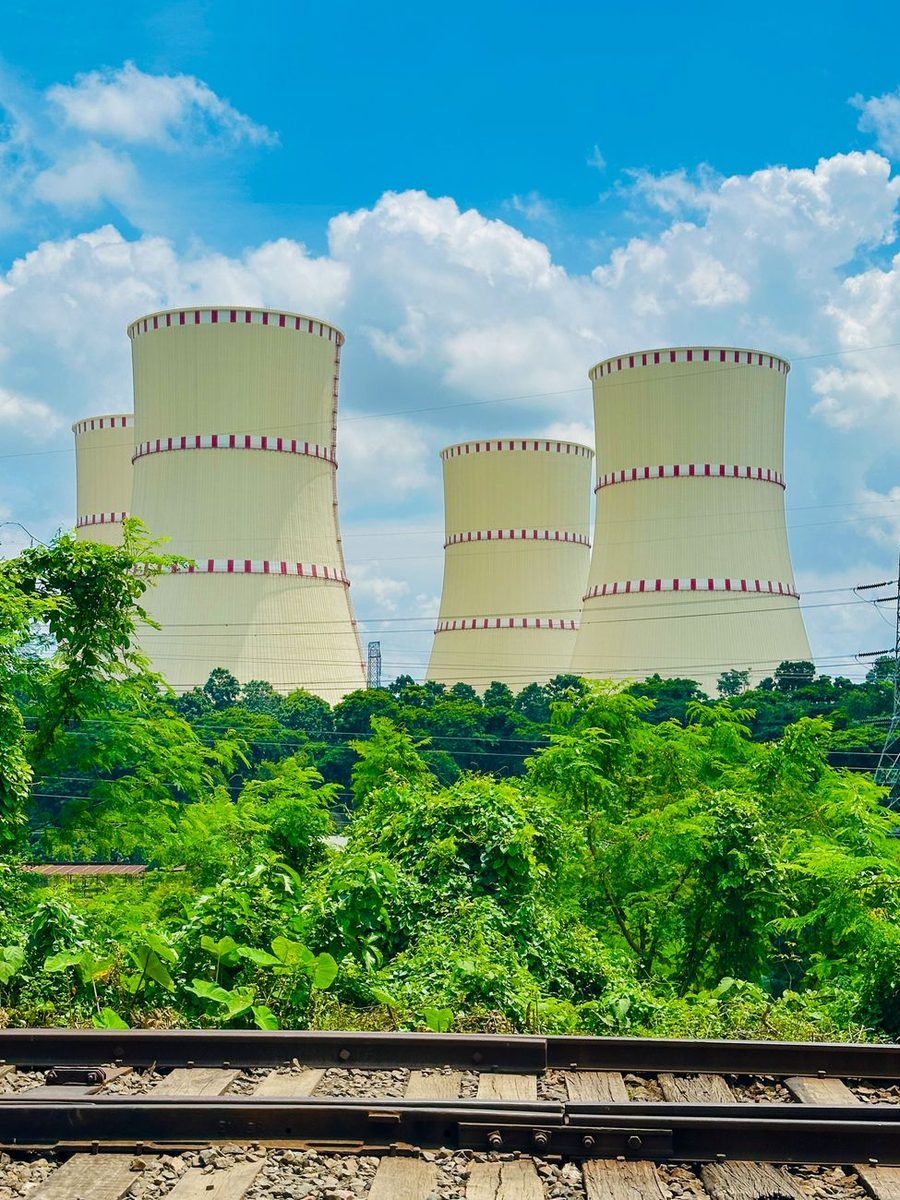
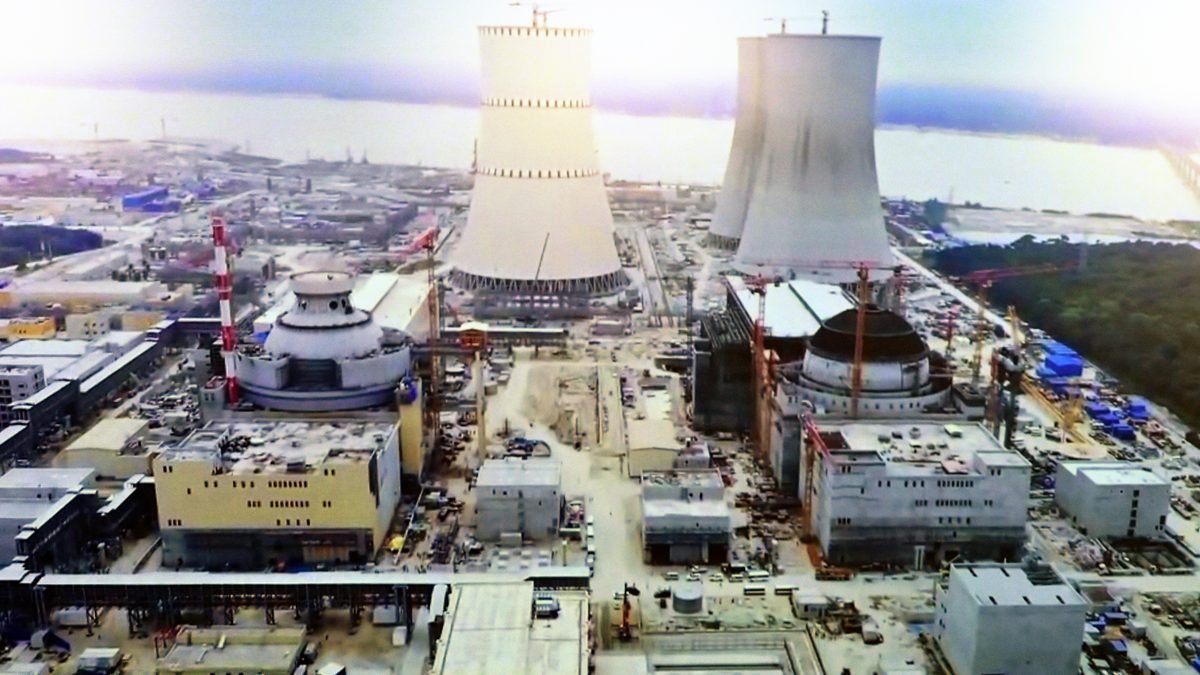
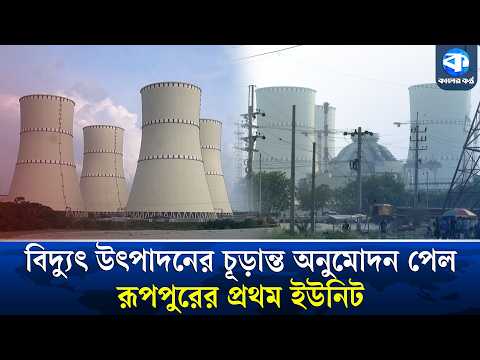
Bangladesh's first nuclear reactor achieved "first criticality" on October 11 — a controlled, self-sustaining chain reaction at the Rooppur plant in Ishwardi, Pabna. The fission process, running since 3:34pm local time, produces heat that will eventually drive a turbine and feed Bangladesh's national grid.

The start of fission was planned for September but slipped after defects were found in the reactor's safety valves during testing. Retests passed, the Bangladesh Atomic Energy Regulatory Authority (BAERA) approved the reaction on October 8, and the reactor went critical three days later. Officials expect the plant to deliver about 300 megawatts to the grid by December — one quarter of Unit 1's 1,200-megawatt design capacity.

Why it matters

Rooppur's two units will supply about 11% of Bangladesh's electricity and make it the 33rd country to generate nuclear power.

Questions about this story

Free account needed to ask — your question is kept and asked for you right after sign-up. Answers are public.

No questions yet — be the first to ask.

Key Indicators

300 MW
Expected trial power to grid by December
One-quarter of Unit 1's 1,200 MW capacity, reached when output is about 30% of design capacity.
2,400 MW
Total plant capacity (two units)
Rosatom's VVER-1200 reactors at Rooppur supply roughly 11% of Bangladesh's electricity demand at full output.
33rd
Nuclear-power nation Bangladesh would become
Bangladesh joins the list of countries generating nuclear power once Unit 1 feeds the national grid.
30–40 days
Post-criticality test sequence
Reactor physics tests, safety verifications, and a gradual power ramp before grid connection.

Voices

Curated perspectives — historical figures and your fellow readers.

Ever wondered what historical figures would say about today's headlines?

Sign up to generate historical perspectives on this story.

People Involved

Organizations Involved

Timeline

2011 October 2026

6 events Latest: Today
Tap a bar to jump to that date
  1. Unit 1 achieves first criticality

    Today Milestone

    Unit 1 begins a self-sustaining chain reaction at 3:34pm; BAERA starts an inspection of the reactor's readiness.

  2. Minister meets Rosatom chief in Moscow

    Diplomacy

    Science minister Fakir Mahbub Anam meets Rosatom DG Alexey Likhachev; Rosatom targets late-November power generation.

  3. Regulator approves fission start

    Regulatory

    BAERA grants B2 sub-stage authorization, permitting Unit 1 to begin its first controlled fission reaction.

  4. Safety valve defects delay fission start

    Setback

    Defects found in safety valve tests push the planned September start of fission to a later date.

  5. Fuel loading begins at Unit 1

    Milestone

    Rosatom's engineering division begins loading nuclear fuel into Unit 1's reactor vessel.

  6. Bangladesh, Russia sign Rooppur deal

    Agreement

    Bangladesh and Russia sign an intergovernmental agreement for the 2,400 MW Rooppur plant, with Rosatom as constructor.

Scenarios

1

Rooppur Unit 1 feeds 300 MW into Bangladesh's grid by December

Likely Resolves by End of 2026

Discussed by: Rosatom Director General Alexey Likhachev and NPCBL officials, who told reporters trial grid supply could start in late November or December.

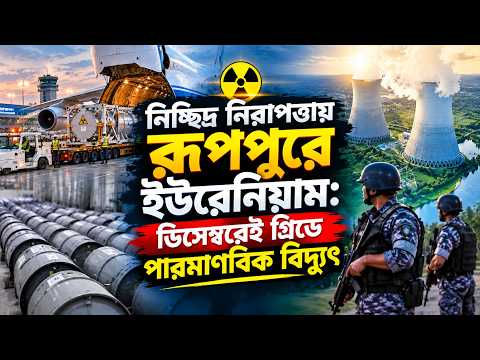
Reactor power rises through approved commissioning stages over 30 to 40 days. Once thermal output reaches about 37% of capacity, the plant moves to connect at roughly 300 MW of electrical output — 30% of Unit 1's design capacity. Officials at Rooppur say the full test sequence should place grid connection near the end of the year.

2

Commissioning delays push Rooppur's grid connection into 2027

Possible Resolves by Feb 1, 2027

Discussed by: Project officials quoted by The Business Standard, who note the timeline is not fixed and could stretch to 10 weeks from mid-October.

The process already slipped once, when safety-valve defects pushed fission from September to October. Any further technical finding from BAERA's inspections, running October 11 to 17, or a slow power ramp delays grid connection into early 2027. Officials cautioned the six-to-ten-week estimate is provisional.

3

Rooppur Unit 1 reaches full commercial operation

Uncertain Resolves by End of 2027

Discussed by: Rosatom, which expects trial operations to continue seven to eight months before commercial declaration.

After the trial period — which officials say could run seven to eight months — the reactor must demonstrate sustained performance at or near its 1,200 MW design capacity. Full commercial operation is the formal end of the commissioning arc, likely in the second half of 2027.

Historical Context

2 moments from history that rhyme with this story — and how they unfolded.

2020–2021

UAE Barakah Unit 1 (2020–2021)

The United Arab Emirates built the Arab world's first nuclear plant at Barakah with South Korean technology from KEPCO. Unit 1 loaded fuel in early 2020, reached criticality that year, and connected to the grid in April 2021 — roughly a year after fuel loading began.

Then

The UAE grid took on its first nuclear power, starting with a single unit before ramping the rest of the four-reactor plant.

Now

The UAE says Barakah can supply up to a quarter of its electricity, and the program became a template for first-time nuclear countries in the region.

Why this matters now

Barakah shows the typical path for a first-time nuclear country: a foreign-built reactor, staged regulatory approvals, and a gradual ramp from first criticality to grid supply.

September 2011

Iran Bushehr (2011)

Russia completed Iran's Bushehr plant after German contractor Siemens abandoned the project following the 1979 revolution. The VVER-1000 reactor was connected to the grid in September 2011, decades after construction began.

Then

Bushehr added roughly 1,000 megawatts gross to Iran's grid, its first nuclear generation.

Now

Iran remains the only Middle Eastern country operating a Russian-built reactor, and Bushehr became a fixture in nuclear diplomacy.

Why this matters now

Like Rooppur, Bushehr is a Russian-built VVER reactor at the center of a national power program — though Rooppur's commissioning has moved far faster since fuel loading began in April 2026.

Sources

(7)