


Pull to refresh
Logo
Bank of Israel holds rates as a weaker shekel offsets falling inflation

Bank of Israel holds rates as a weaker shekel offsets falling inflation

Money Moves

Policymakers kept the benchmark at 3.25% for a second month with no government formed a month after the election

Overview

Updated 9 minutes ago

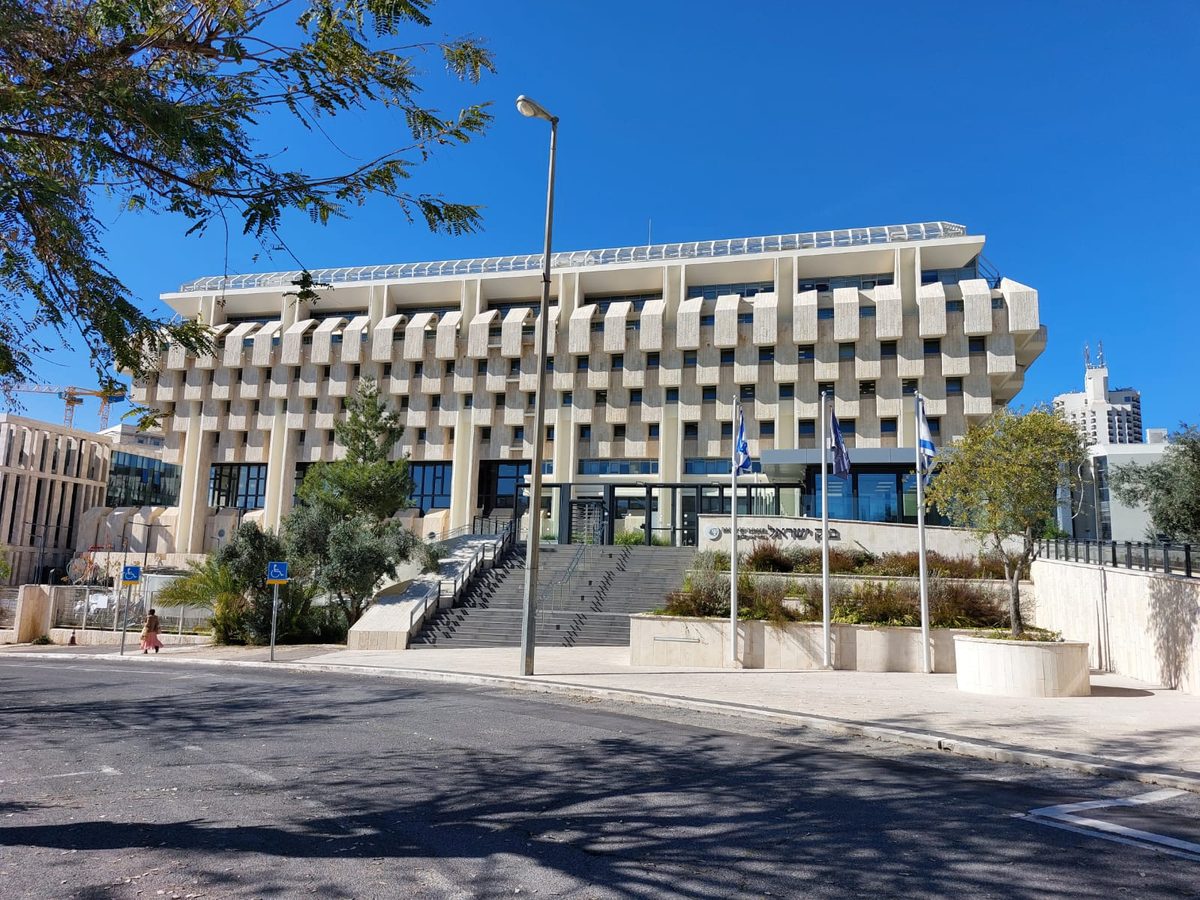
Israel's central bank held its benchmark interest rate at 3.25% on November 23, its second hold in a row and its final decision of 2026. Inflation was 1.1% in October, well inside the official 1% to 3% target, which would normally argue for a cut. The shekel argued louder: it fell 7.6% against the dollar in the month before the meeting.

A weaker currency makes imports dearer, and the bank expects inflation to climb back to about 2% by early 2027. Add an inconclusive October 27 election, no governing coalition, and the prospect of starting 2027 on the previous year's budget. Governor Amir Yaron said the budget is "critical for our economy."

Why it matters

A weaker shekel is doing what low inflation could not: keeping Israeli borrowing costs at 3.25% while the country runs without a new budget.

Questions about this story

Free account needed to ask — your question is kept and asked for you right after sign-up. Answers are public.

No questions yet — be the first to ask.

Key Indicators

3.25%
Bank of Israel benchmark rate
Held steady for a second consecutive month and left there into 2027.
1.1%
Annual inflation, October
Down from 1.6% in September and near the bottom of the 1% to 3% target.
7.6%
Shekel depreciation vs. dollar, Oct 21 to Nov 20
The move that the bank says has not yet passed through to consumer prices.
8%
Third-quarter GDP growth, annualized
4% once production by Israeli firms abroad is excluded, the bank's preferred gauge.
3.3%
Broad unemployment, ages 15 and up, October
The bank describes the labor market as tight.
4.75%
Prime rate
The base for variable-rate mortgages and business loans, unchanged by the hold.
70.5%
Projected debt-to-GDP in 2027
Domestic product only, excluding Israeli firms' output abroad.

Voices

Curated perspectives — historical figures and your fellow readers.

Sign up to generate historical perspectives on this story.

People Involved

Organizations Involved

Timeline

November 2025 November 2026

9 events Latest: Yesterday
Tap a bar to jump to that date
  1. Rate held at 3.25%

    Latest Monetary policy

    The committee cites the shekel, global tightening and the missing budget; the shekel firms to 3.29 per dollar.

  2. Shekel down 7.6% in a month

    Markets

    The currency also loses 5.1% against the euro over the same stretch.

  3. Inconclusive election

    Politics

    Neither Netanyahu's bloc nor the opposition wins enough seats to govern.

  4. First hold, a week before the election

    Monetary policy

    The committee pauses, citing uncertainty at home and abroad.

  5. Fifth cut of the cycle

    Monetary policy

    The last reduction before the committee stops to reassess.

  6. Third consecutive cut

    Monetary policy

    Rates come down again through the summer.

  7. Cuts resume

    Monetary policy

    The committee returns to lowering rates as inflation cools.

  8. Second cut, then a pause

    Monetary policy

    Cuts stop as conflict with Iran raises fears of supply-driven inflation.

  9. Easing cycle begins

    Monetary policy

    Bank of Israel delivers the first rate cut of the cycle.

Scenarios

1

A coalition passes a 2027 budget and the Bank of Israel resumes cutting

Possible Resolves by Q3 2027

Discussed by: Governor Amir Yaron, who said the October forecast had the rate at 3% by the third quarter of 2027

Eisenkot or Netanyahu assembles a majority, the Knesset approves a 2027 budget, and the shekel steadies. Yaron has said the bank will keep cutting if inflation stays contained despite the depreciation and the interest-rate gap with the Fed and ECB. A budget that credibly lowers the debt path would remove the risk premium that keeps the committee cautious.

2

Deadlock holds and Israel enters 2027 on the previous year's budget

Possible Resolves by Q1 2027

Discussed by: Globes and Ynet, both reporting on the prospect of a continuation budget

Neither bloc forms a government, and 2027 begins under the 2026 spending framework. The Bank of Israel's own projection has the deficit widening from 4.4% of GDP this year to 4.6% in 2027, with debt at 70.5%. Yaron has said closing that gap will probably require more revenue, which means tax rises whoever governs.

3

The shekel's slide or renewed conflict forces a rate increase

Unlikely Resolves by End of 2027

Discussed by: Globes, which reported that analysts believed the weak shekel tied the committee's hands

The bank has said a 10% depreciation feeds roughly one point of inflation. If the shekel keeps falling, or fighting with Iran resumes and lifts energy prices, inflation could push past the 3% ceiling. The next move would then be up rather than down.

Historical Context

3 moments from history that rhyme with this story — and how they unfolded.

September-October 2022

Britain's mini-budget and gilt selloff (2022)

A new UK government announced a package of tax cuts without published costings. Sterling slid, government bond yields jumped, and the Bank of England bought gilts to stop pension funds from being forced to sell assets.

Then

The prime minister resigned within weeks and most of the measures were reversed.

Now

Fiscal announcements in Britain are now routinely scored by the Office for Budget Responsibility before markets see them.

Why this matters now

Israel's possible run into 2027 on an unreviewed continuation budget carries the same risk: markets price the missing plan before any vote happens.

September 2021 - May 2023

Turkey's rate cuts into a currency slide (2021-2023)

Turkey's central bank lowered rates while inflation climbed, under pressure from the president, and the lira fell steadily. Annual inflation later approached 80%.

Then

The currency kept falling and dollarized savings rose.

Now

After the 2023 election the bank reversed course with sharp rate increases.

Why this matters now

It is the standard case for why a central bank does not cut into a depreciating currency, which is the choice the Bank of Israel just declined to make.

July 1985

Israel's stabilization program (1985)

After inflation ran into the hundreds of percent, Israel cut government spending, froze prices and wages, and pegged the shekel to the dollar.

Then

Inflation fell sharply within a year and the currency stabilized.

Now

The episode became the reference point for linking Israeli fiscal discipline to monetary credibility.

Why this matters now

Yaron's argument that the budget must lower the debt ratio before rates can fall normally echoes that lesson.

Sources

(8)