
Pull to refresh
Logo
Barcelona releases Wolbachia-infected mosquitoes to curb tiger mosquito population

Barcelona releases Wolbachia-infected mosquitoes to curb tiger mosquito population

New Capabilities

Pilot deploys the incompatible insect technique against Aedes albopictus in a dense European city for the first time

Today: European milestone reported

Overview

Updated 1 hour ago

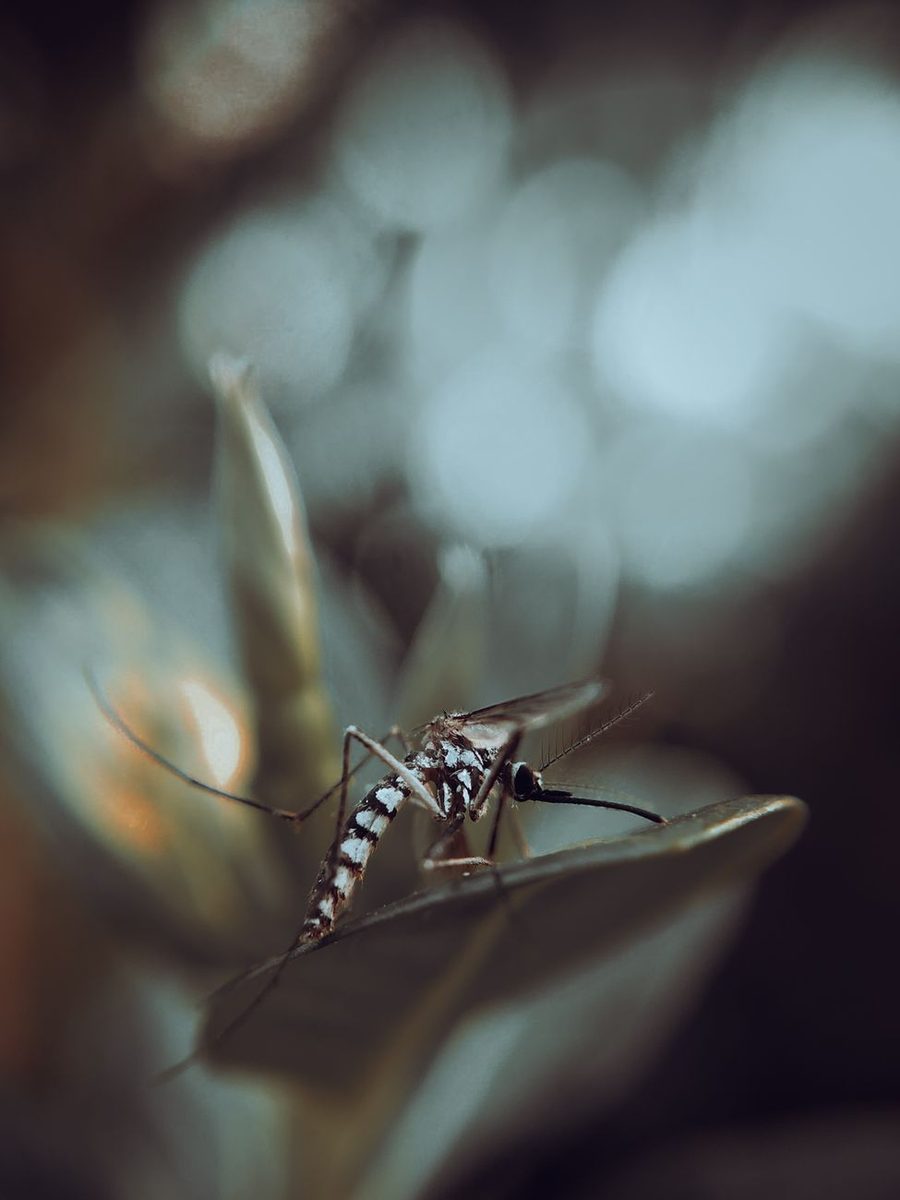
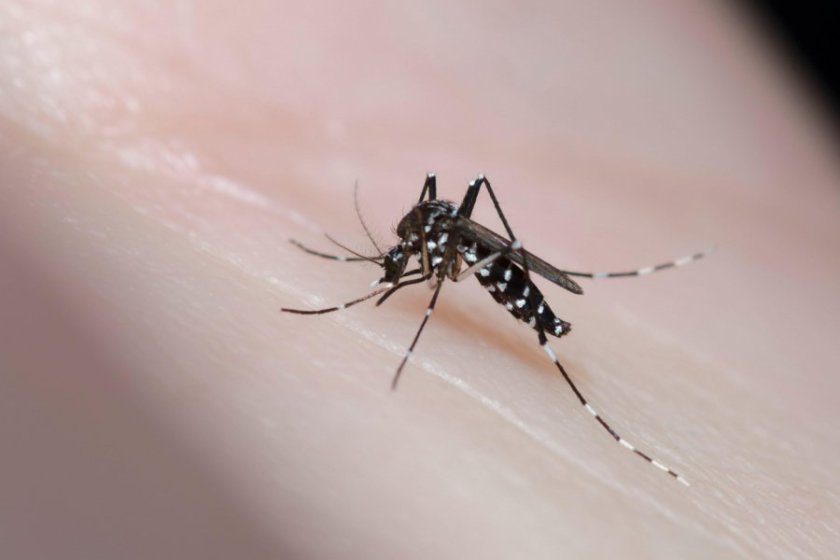
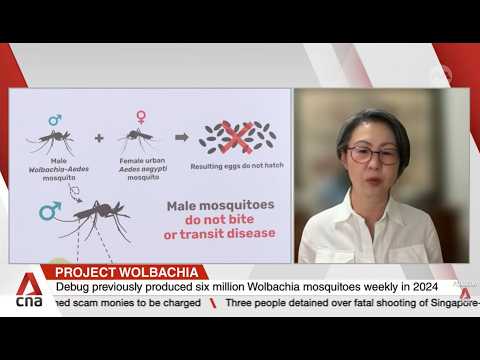
Barcelona has released more than 1.5 million male tiger mosquitoes carrying a parasite that stops their eggs from hatching. It is the first large-scale deployment of the technique in Europe, part of a pilot to shrink the city's Aedes albopictus population.

The tiger mosquito spreads dengue, chikungunya, and zika, and is now established in 16 European countries. The pilot aims to cut the city's mosquito population by up to 50% at two intervention sites, using sterile males to outcompete wild ones.

Why it matters

If it works in a dense European city, Mediterranean cities gain a new tool against dengue and chikungunya without spraying chemicals.

Questions about this story

Free account needed to ask — your question is kept and asked for you right after sign-up. Answers are public.

No questions yet — be the first to ask.

Key Indicators

1.5 million
Mosquitoes released in Barcelona
Total Wolbachia-carrying male tiger mosquitoes released since mid-August 2026.
80,000
Weekly release rate
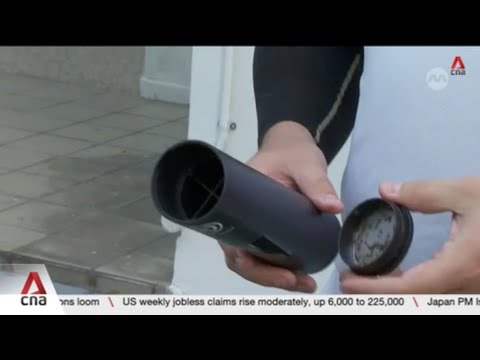
Male mosquitoes flown in weekly from Debug's breeding facility in Miami, Florida.
70%
Dengue reduction in Singapore
Reduction in dengue cases in treated areas of Singapore reported by a 2026 study.
97%
Egg reduction in Changsha trial
Drop in egg hatching in the 2022 Changsha, China trial of the same technique.

Voices

Curated perspectives — historical figures and your fellow readers.

Ever wondered what historical figures would say about today's headlines?

Sign up to generate historical perspectives on this story.

People Involved

Organizations Involved

Timeline

2025 October 2026

3 events Latest: Today
  1. European milestone reported

    Today Milestone

    Reports confirm more than 1.5 million Wolbachia-carrying mosquitoes released, the first large-scale European deployment of the technique.

  2. Releases begin

    Launch

    Barcelona releases its first weekly batch of 80,000 Wolbachia-carrying male tiger mosquitoes after regulatory approval.

  3. Rising disease reports

    Data

    Barcelona's Public Health Agency logs 123 notifications of mosquito-borne diseases in the city during 2025.

Scenarios

1

Barcelona trial cuts tiger mosquito population by half, method expands

Possible Resolves by Nov 30, 2027

Discussed by: Rentokil and Debug point to prior results in Singapore and China; New Scientist reports the approach is already in use in Singapore

If the two intervention sites in Barcelona show the intended drop of up to 50% in tiger mosquito numbers after a full season, the Public Health Agency would likely extend the program to more districts and other Mediterranean cities. Releases pause in mid-November and resume in May 2027, so a full-season result would come in late 2027.

2

Barcelona pilot shows modest mosquito reduction, program not renewed

Possible Resolves by Nov 30, 2027

Discussed by: Spanish reports note the economic viability of air-freighting 80,000 mosquitoes weekly from Miami has yet to be studied

The trial could confirm the technique works in principle but prove too costly to sustain. Producing and flying mosquitoes from Miami each week is expensive, and the Cope report notes the cost must be measured against traditional surveillance and control. If the per-hectare cost is too high, the program ends after the pilot.

3

Wolbachia spreads into the wild mosquito population, weakening the method

Unlikely Resolves by Nov 30, 2027

Discussed by: New Scientist notes the method depends on preventing infected males from being released alongside fertile females

The technique relies on Wolbachia-infected males mating with uninfected females. If the parasite spreads into the local population, infected females would no longer be sterile when mating with infected males, and the method loses effectiveness. Debug uses AI image recognition to separate the sexes, but the release rate of fertile females has not been made public.

Historical Context

3 moments from history that rhyme with this story — and how they unfolded.

1954–1966

Screwworm eradication (1950s–1960s)

The United States and Mexico used the sterile insect technique to eliminate the screwworm, a fly that infests livestock, by releasing radiation-sterilized males by the millions.

Then

The pest was eradicated from the United States and Mexico within about a decade.

Now

It became the first large-scale proof that flooding a population with sterile males can collapse an insect population.

Why this matters now

The same logic underpins Barcelona's trial: release males that cannot produce viable offspring to drive down the wild population.

2016–2026

Singapore's Wolbachia program (2016–2026)

Singapore has released Wolbachia-infected male Aedes aegypti mosquitoes in parts of the city since 2016, in one of the world's largest deployments of the approach.

Then

A study published in 2026 found the technique cut dengue cases by 70% in treated areas.

Now

Singapore became the proof that Wolbachia can work at city scale, informing the Barcelona trial.

Why this matters now

Barcelona is the first large-scale European test of the same approach, adapted for the tiger mosquito instead of Aedes aegypti.

2022

Changsha mosquito trial (2022)

In the Chinese city of Changsha, a 2022 study released Wolbachia-infected male tiger mosquitoes and found egg hatching fell 97%, adult female captures dropped 85%, and bites fell 94%.

Then

The trial demonstrated the incompatible insect technique could sharply cut tiger mosquito numbers in an urban setting.

Now

It gave European researchers a template for adapting the method to the Mediterranean.

Why this matters now

Barcelona is testing whether the Changsha results hold in a European city with different climate and urban conditions.

Sources

(7)