0
What could be unintended outcomes of this?
The biggest unintended risk is population replacement: if females are accidentally released or Wolbachia spreads horizontally into the wild population, suppression flips into permanent establishment of a new mosquito strain — the opposite of what's intended.
Why it matters: Once a self-spreading biological agent establishes in the wild, it can't be recalled, making reversibility essentially zero.
- The suppression method works only if released insects are all male. Even a small rate of accidental female release can allow the ZAP Wolbachia strain to spread into wild females through mating, shifting the program from population knockdown to permanent population replacement with an altered strain.
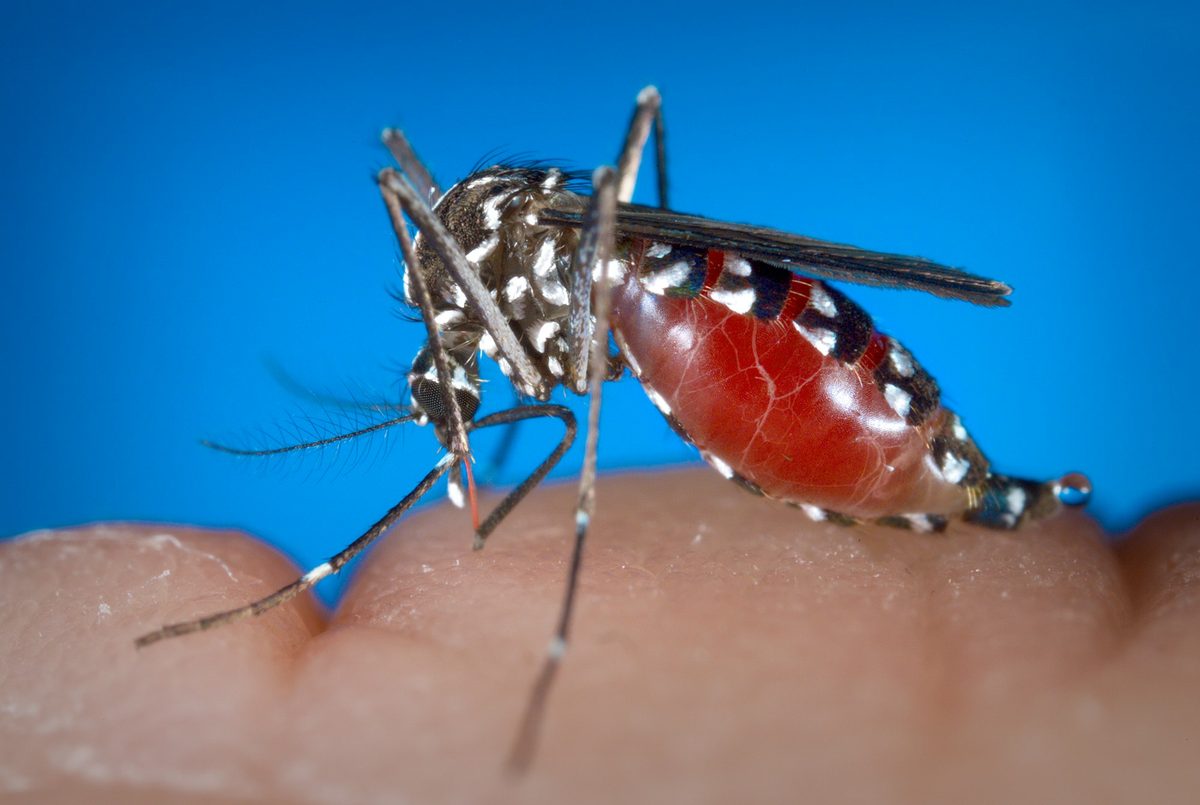
- Research on Aedes albopictus — the Asian tiger mosquito targeted here — found that Wolbachia density can vary, meaning some crosses between transinfected females and low-density wild males produce partially fertile eggs, eroding the cytoplasmic incompatibility that makes the whole strategy work.
- Horizontal Wolbachia transmission between insect species is more frequent than scientists assumed, raising the possibility the bacterium spreads to non-target insects — bees, wasps, or other beneficial species — with unknown downstream effects.
- Ecologically, a sharp drop in local mosquito populations removes a food source for birds, bats, dragonflies, and aquatic larvae; the D.C. release area is too small and the target species too localized for catastrophic impact, but broader scale-ups could have real food-web effects.
Room for disagreement
- The EPA and MosquitoMate classify ecological risk as negligible, pointing to years of contained field trials and the fact that only males are released. Independent researchers counter that horizontal Wolbachia transfer is more common than models assumed and that real-world sex-sorting is imperfect — meaning the 'contained suppression' framing understates the probability of unintended establishment.
AI-generated with web search — may be wrong. Check the linked sources.