
Pull to refresh
Logo
Belgium's Princess Elisabeth offshore wind zone clears EU state aid review

Belgium's Princess Elisabeth offshore wind zone clears EU state aid review

Built World

A €2.04 billion two-way contract-for-difference scheme restarts a tender Belgium suspended in 2025, with a winning bidder not expected before late 2027.

Overview

Updated Yesterday

Belgium's first offshore wind auction in the Princess Elisabeth zone stalled for more than a year over rising grid costs and legal risk. On 10 November 2026, the European Commission approved a €2.04 billion state aid scheme that lets the government restart it.

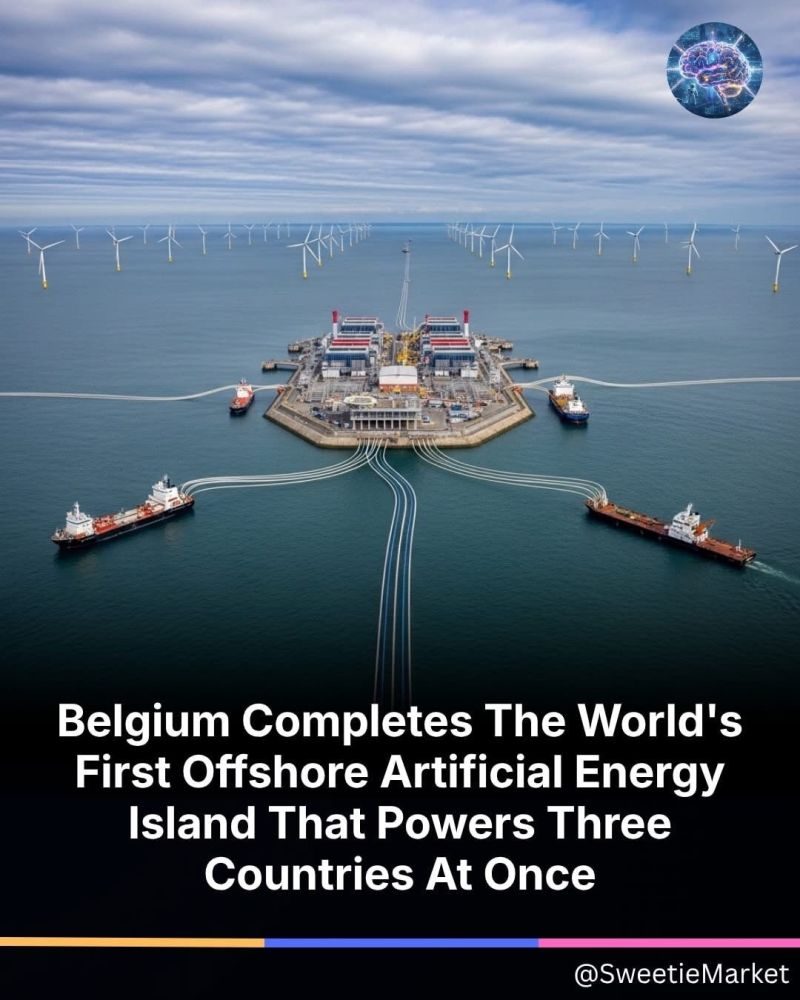
The money does not build anything. It backstops a 20-year contract that pays a developer the gap between its bid price and the market price, and takes money back when power prices run high. The 735-megawatt farm, and the artificial island meant to connect it, still have to be financed and built.

Why it matters

If built, the farm adds up to 2.6 TWh a year to Belgium's grid, but only if the island and cables arrive first.

Questions about this story

Free account needed to ask — your question is kept and asked for you right after sign-up. Answers are public.

No questions yet — be the first to ask.

Key Indicators

€2.04B
Maximum aid budget
Ceiling for the 20-year Belgian support scheme approved by the Commission.
735 MW
Lot 1 generating capacity
Maximum capacity of the first wind farm in the Princess Elisabeth Zone.
2.6 TWh
Expected annual output
Renewable electricity the farm could generate each year, per the Commission.
2,261 MW
Belgium's operating offshore wind capacity
Figure published by Belgium's Federal Public Service Economy.
3.15–3.5 GW
Planned additional capacity in the zone
Would take Belgium to roughly 5.4–5.8 GW of offshore wind.
45 km
Distance of the energy island from shore
Elia's Princess Elisabeth Island will sit about 45 km off the Belgian coast.

Voices

Curated perspectives — historical figures and your fellow readers.

Sign up to generate historical perspectives on this story.

People Involved

Organizations Involved

Timeline

2024 November 2026

6 events Latest: 3 days ago
Tap a bar to jump to that date
  1. EIB signs a €1 billion credit line for the energy island

    Finance

    The loan covers transformers, the substation and the alternating-current cable link to shore.

  2. Belgium suspends the tender

    Policy

    Sharply rising grid and artificial island costs, plus legal uncertainty, lead the government to halt the auction and spare network tariffs.

Scenarios

1

Belgium names a winning bidder for Princess Elisabeth lot 1

Likely Resolves by Q1 2028

Discussed by: European Commission and Belgian federal energy ministry statements

The Commission and the Belgian energy minister both say the aid approval was the last precondition for relaunching the auction. If the tender runs as planned, a developer is selected in the fourth quarter of 2027 under a 20-year two-way contract for difference, with Net Zero Industry Act supply chain criteria applied as prequalification.

2

The auction slips again as island costs climb

Possible Resolves by End of 2027

Discussed by: Belgian press coverage of the 2025 suspension

Belgium already stopped this tender once, citing rising grid and artificial island costs and legal risk. The new framework stretches the construction window from four years to five, which suggests the state expects schedule pressure. Another cost overrun on the Elia island project, or a legal challenge to the aid decision, would push the auction past its stated fourth-quarter 2027 target.

3

The winning developer reaches final investment decision

Uncertain Resolves by End of 2029

Discussed by: Industry coverage of European offshore wind auction outcomes

Winning an auction is not the same as building. The developer still needs permits, detailed engineering, turbine orders and coordination with Elia's island schedule, which targets first connections from 2031. A final investment decision would show the project cleared those hurdles rather than stalling between award and construction.

Historical Context

3 moments from history that rhyme with this story — and how they unfolded.

2024–2025

The lapsed crisis-era approval (2024–2025)

The Commission approved €682 million for the same wind farm under the Temporary Crisis and Transition Framework, the aid regime built after Russia's invasion of Ukraine. Belgium then suspended the tender as grid and island costs rose and legal questions mounted. The aid could not be granted before the 31 December 2025 deadline, so it expired unused.

Then

Belgium had to notify a fresh scheme and accept a later auction date.

Now

The reworked scheme added a two-way contract for difference and a five-year construction window, shifting more price risk back onto the developer.

Why this matters now

It explains why this approval exists at all: the same project has now cleared EU state aid review twice, and the first clearance produced nothing built.

2024–2026

Financing the Princess Elisabeth Island (2024–2026)

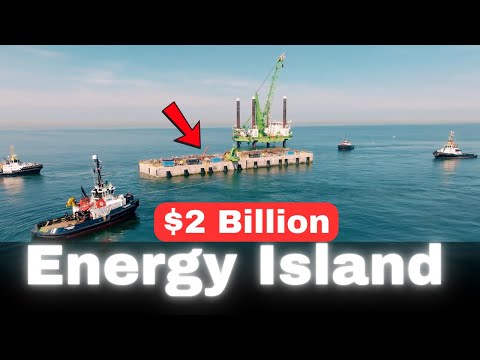
Elia is building an artificial energy hub about 45 km off the Belgian coast to collect power from the zone and route it ashore. The European Investment Bank lent €650 million in 2024 and agreed a further €1 billion credit line in September 2026 for transformers, a 220-kilovolt substation and six cable links to land.

Then

Construction money is committed, but the island is not due to support the zone's first wind farms until 2031.

Now

The hub could also host interconnections with neighbouring countries, making it a shared North Sea grid asset rather than a purely Belgian one.

Why this matters now

The wind farm cannot deliver power without the island, and the island's cost overruns are what stopped the auction the first time.

June 2025

From crisis aid to the Clean Industrial Deal framework (2025)

The Commission adopted the Clean Industrial Deal State Aid Framework on 25 June 2025, replacing the crisis-era rules used for the 2024 approval. Belgium notified the new Princess Elisabeth scheme under it, and the Commission assessed it against sections 3 and 4.1.2 of that framework.

Then

The scheme had to be redesigned around a capability-based two-way contract for difference rather than actual production.

Now

Tenders approved under the framework must include Net Zero Industry Act prequalification, including supply chain diversification away from non-European turbine suppliers.

Why this matters now

The rules changed under the project's feet. What Belgium got in 2026 is not the same instrument it got in 2024.

Sources

(10)