
Pull to refresh
Logo
Alcazar Energy closes financing for two Red Sea wind farms

Alcazar Energy closes financing for two Red Sea wind farms

Built World

The $626 million Niat and Rasgha projects move into construction with European development banks and an EU guarantee behind them.

Overview

Updated 1 hour ago

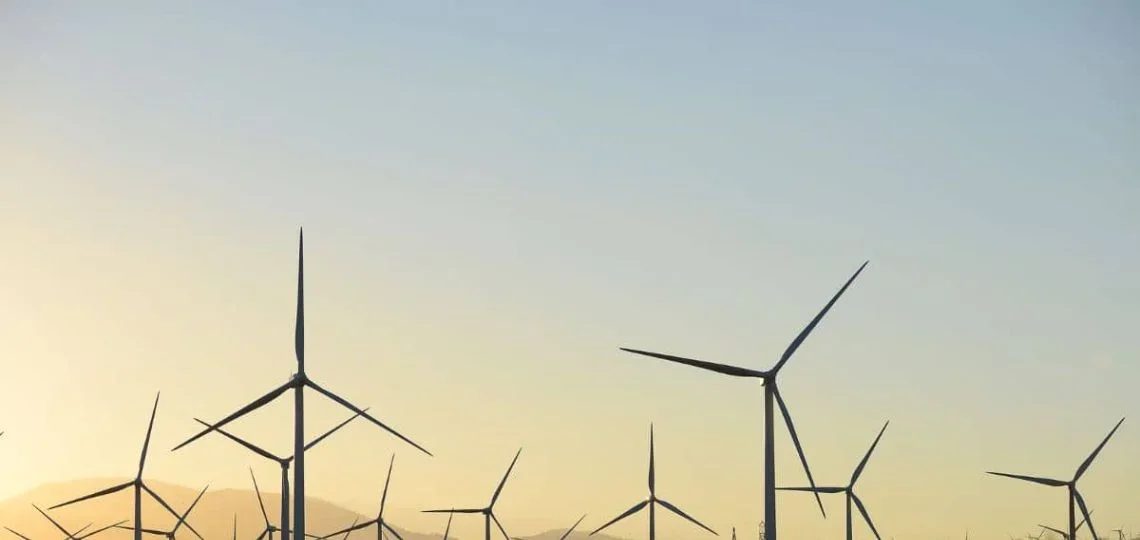
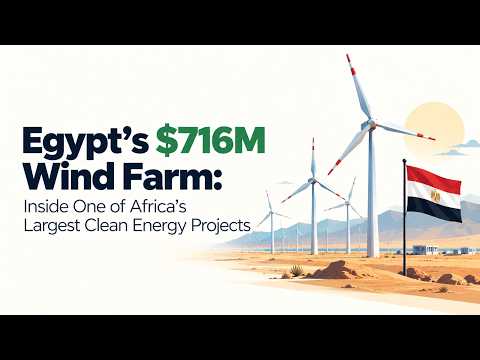
Alcazar Energy Partners closed $436 million in debt on Nov. 9 for two wind farms on Egypt's Red Sea coast, moving the $626 million Niat and Rasgha projects into construction. The farms will have 500 megawatts of capacity and 100 Siemens Gamesa turbines, with commercial operation targeted for the end of 2028.

The financing matters because Egypt's grid has struggled with shortages and the country wants 42% of its electricity from renewables by 2030. The deal also shows the template: a 25-year power purchase agreement with the state transmission company, three European development lenders, and a European Union guarantee that absorbs first losses.

Why it matters

Egypt's power shortages are real. This deal tests whether private wind farms backed by European guarantees can deliver before 2030.

Questions about this story

Free account needed to ask — your question is kept and asked for you right after sign-up. Answers are public.

No questions yet — be the first to ask.

Key Indicators

$436M
Debt financing
Loans from the EBRD, EIB and DEG for the two wind farms.
$626M
Total project cost
Combined debt and equity for Niat and Rasgha.
500 MW
Combined capacity
Two 250-megawatt wind farms on the Gulf of Suez.
100
Wind turbines
Siemens Gamesa turbines rated at 5 megawatts each.
2.3 TWh
Expected annual generation
Forecast output once both farms operate.
1.1M tonnes
CO2 avoided annually
Alcazar's forecast reduction in CO2-equivalent emissions.
42%
Egypt's 2030 renewable target
Share of electricity generation from renewables under Egypt's 2035 energy strategy.

Voices

Curated perspectives — historical figures and your fellow readers.

Sign up to generate historical perspectives on this story.

People Involved

Organizations Involved

Timeline

May 2026 December 2028

6 events Latest: Today
Tap a bar to jump to that date
  1. Targeted commercial operation

    Upcoming Construction

    Both wind farms are expected to start selling power to the grid by the end of 2028.

  2. Financial close reached for Niat and Rasgha

    Today Financing

    Alcazar closes $436 million in debt for the $626 million, 500-megawatt wind projects and issues notice to proceed to Siemens Gamesa.

  3. EIB signs loan tranches

    Financing

    The EIB signs four tranches totaling about €126.7 million for the projects.

  4. EIB board approves wind financing

    Financing

    The EIB approves its participation in the Niat and Rasgha debt package.

  5. Gabal El Zeit privatisation signed

    Deal

    Alcazar signs $420 million agreements to take over the state-owned Gabal El Zeit wind farm.

  6. EIB publishes project summary

    Financing

    The European Investment Bank releases details of a proposed $152 million loan for the two wind farms.

Scenarios

1

Both wind farms enter commercial operation by end-2028

Likely Resolves by Q1 2029

Discussed by: Alcazar Energy Partners and EBRD project documents

Alcazar, Siemens Gamesa and Orascom Construction have notice to proceed and a 2028 target. If turbine deliveries and grid connections hold, both farms would begin selling power to EETC under 25-year contracts before 2029, adding about 2.3 terawatt-hours of annual supply.

2

Construction slips into 2029 as grid connections lag

Possible Resolves by Q2 2030

Discussed by: EIB project summary and EBRD project documents

Egypt's grid connection approvals and foreign-currency arrangements have slowed past renewable projects. A delay in either area would push commercial operation past the 2028 target and postpone the expected emissions reductions and power supply.

3

Gabal El Zeit privatisation reaches financial close

Uncertain Resolves by End of 2027

Discussed by: Alcazar Energy Partners statements

Alcazar signed a $420 million agreement in July 2026 to take over the state-owned Gabal El Zeit wind farm. The next test is closing project finance for that transaction, which the company says is progressing separately from Niat and Rasgha.

Historical Context

3 moments from history that rhyme with this story — and how they unfolded.

2015-2019

Benban Solar Park (2019)

Egypt built the Benban Solar Park near Aswan, a complex of more than 30 privately financed solar plants with roughly 1.6 gigawatts of capacity. The EBRD and other development banks backed the multibillion-dollar build-out, which used long-term power contracts similar to the ones now supporting Niat and Rasgha.

Then

Benban added solar capacity at scale and established Egypt as a market for private renewable project finance.

Now

Development banks kept using the same model for later Egyptian renewable projects, though grid and currency problems slowed some developers.

Why this matters now

Niat and Rasgha apply the Benban playbook to wind: development banks lend, private developers build, and the state utility signs long-term contracts.

2000-2010

Zafarana Wind Farm (2000-2010)

Egypt built the Zafarana wind farm on the Gulf of Suez in phases, reaching roughly 545 megawatts with financing from Denmark, Germany, Japan and Spain. It was one of Africa's largest wind complexes and proved the Red Sea wind resource.

Then

The farm supplied the grid for years but depended heavily on donor grants and public funding.

Now

It anchored Egypt's wind industry and established the Gulf of Suez corridor as the country's main wind zone.

Why this matters now

Niat and Rasgha sit in the same corridor but replace grants with private debt and equity.

2011-present

South Africa's REIPPPP (2011)

South Africa launched its Renewable Energy Independent Power Producer Procurement programme in 2011, auctioning long-term power contracts to private wind and solar developers. The programme brought gigawatts online and became a reference for renewable procurement in Africa.

Then

Private developers built wind and solar farms under long-term contracts with the state utility Eskom.

Now

Stable auctions attracted private capital, though Eskom's grid and financial troubles later slowed new connections.

Why this matters now

Egypt is using bilateral deals rather than competitive auctions, which may be faster but gives the state less price discovery.

Sources

(6)