
Pull to refresh
Logo
Oklahoma City Council approves first mega-data center despite moratorium

Oklahoma City Council approves first mega-data center despite moratorium

Built World

Conditions cover water, electricity, and noise; mayor calls the vote a stand-alone decision

Overview

Updated 1 hour ago

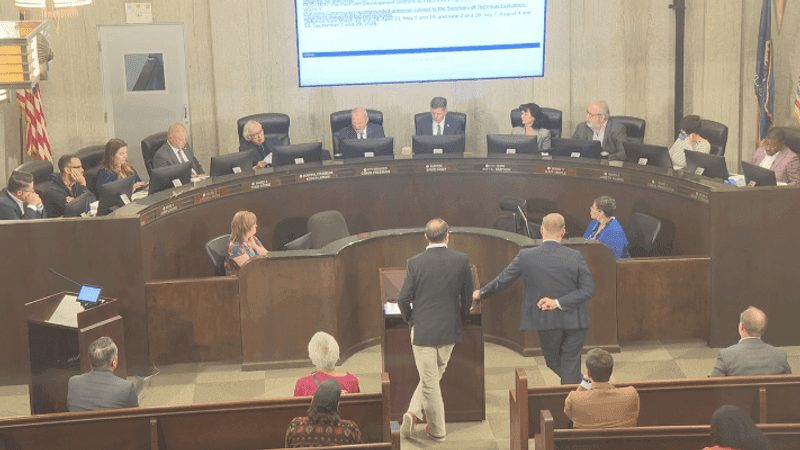
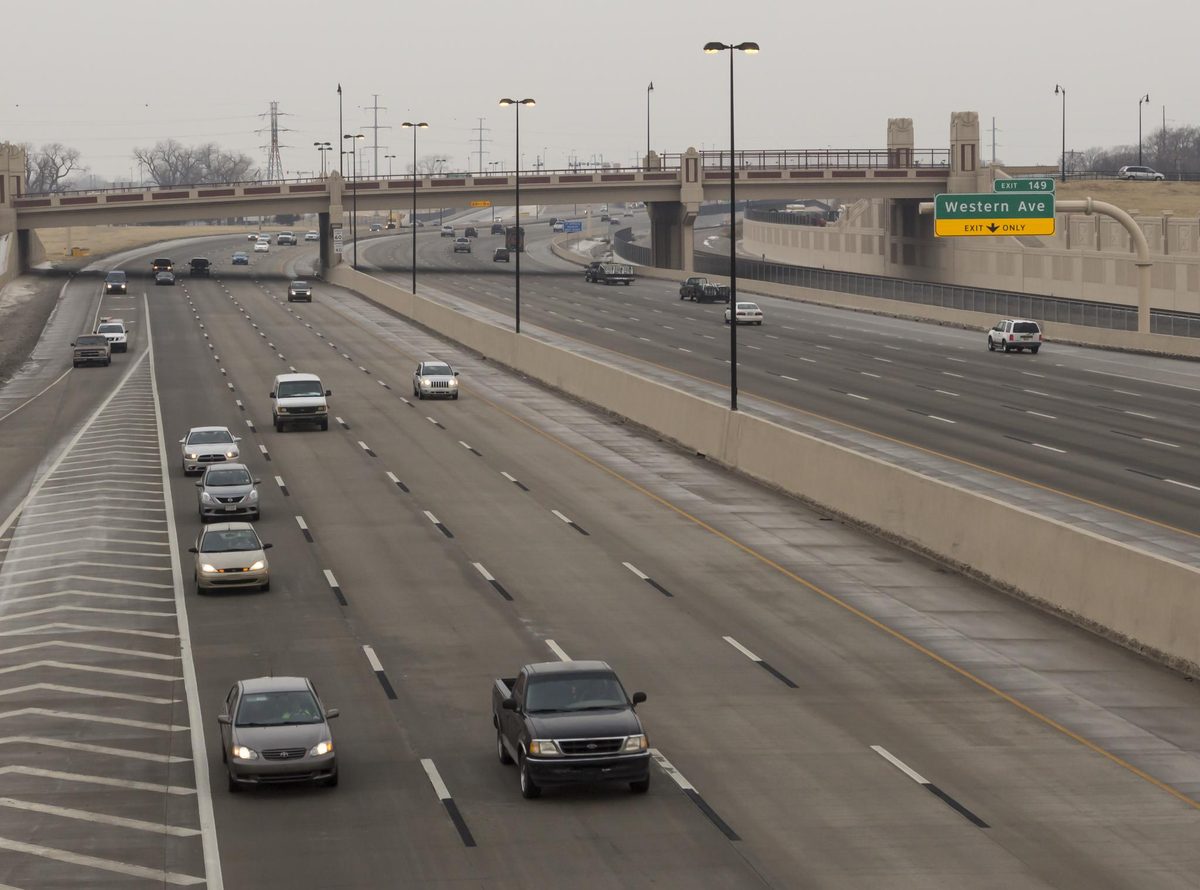
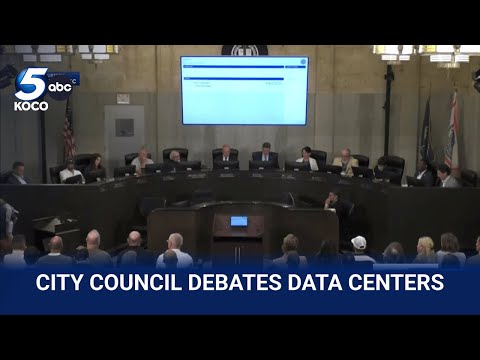
The Oklahoma City Council voted 6-3 on October 27 to rezone 295.5 acres near Interstate 40 and Frisco Road for a data center proposed by Beltline Energy, an Atlanta-based developer. It is the first mega-data center approved in Oklahoma City.

The approval carries conditions on water use, electricity, and noise, and final agreements must still be signed before construction can begin. Mayor David Holt said the vote should not be read as an opening for more data centers; the application predated a city moratorium on such projects.

Why it matters

The approval tests whether Oklahoma City accepts hyperscale data centers, which compete with residents for water and electricity, despite a city moratorium.

Questions about this story

Free account needed to ask — your question is kept and asked for you right after sign-up. Answers are public.

No questions yet — be the first to ask.

Key Indicators

295.5 acres
Land rezoned for the data center
Two properties near I-40 and Frisco Road shifted from agricultural to planned unit development zoning.
6-3
Council vote in favor
Oklahoma City Council approved the rezoning after months of delays.
Dec 31, 2026
Current moratorium expiration
Mayor Holt requested a six-month extension of the data center moratorium.
75 MW
Moratorium exemption threshold
Data centers using up to 75 megawatts may apply for zoning; hyperscale projects remain blocked.

Voices

Curated perspectives — historical figures and your fellow readers.

Sign up to generate historical perspectives on this story.

People Involved

Organizations Involved

Timeline

January 2026 October 2026

5 events Latest: Today
Tap a bar to jump to that date
  1. Construction Review reports the approval

    Today Report

    Construction Review covers the council's zoning decision, noting the Beltline project still needs final agreements before building.

  2. Council approves first mega-data center

    Decision

    The Oklahoma City Council voted 6-3 to rezone the Beltline site with conditions on water, electricity, and noise. Holt requested a six-month moratorium extension.

  3. Piedmont advances second Beltline data center

    Decision

    Piedmont City Council approved an amended master plan for Beltline's 640-acre campus, sending it back to the planning commission.

  4. Council trims data center moratorium

    Decision

    The council voted 7-2 to amend the moratorium, allowing data centers up to 75 megawatts to apply while keeping the ban on hyperscale projects.

  5. Planning commission backs data center rezoning

    Decision

    The Oklahoma City Planning Commission voted 7-0 to recommend rezoning 295.5 acres near I-40 and Frisco Road for Beltline Energy.

Scenarios

1

Beltline breaks ground on Oklahoma City's first mega-data center

Possible Resolves by Oct 27, 2027

Discussed by: The Oklahoman and Construction Review

Beltline completes the outstanding agreements on water, electricity, and noise, obtains building permits, and starts construction at the Frisco Road site. The company's attorney called the zoning terms the most restrictive for such a project in city history, so the key variable is whether Beltline can operate profitably under them.

2

Beltline stalls or abandons the Oklahoma City project

Possible Resolves by Oct 27, 2027

Discussed by: Mayor David Holt's October 27 comments

The conditional terms prove too costly or the agreements never close, and Beltline does not proceed. Holt's insistence that the vote sets no precedent, combined with the moratorium extension he requested, would leave the site undeveloped for data center use.

3

City extends data center moratorium into 2027

Likely Resolves by End of 2026

Discussed by: City Manager Craig Freeman and Mayor David Holt

The council votes to extend the data center moratorium beyond its December 31, 2026 expiration, as Holt requested for another six months. That would confirm the Beltline approval stands alone and block new mega-data center applications in the interim.

Historical Context

2 moments from history that rhyme with this story — and how they unfolded.

2000s-2020s

Northern Virginia's Data Center Alley (2000s-2020s)

Loudoun County, Virginia grew into the world's largest data center market, with hundreds of facilities clustered around Ashburn. Local officials courted the industry for its tax base before residents began complaining about noise, traffic, and the scale of the buildings.

Then

The county kept approving most projects but added setback and noise conditions and faced lawsuits over facilities proposed near homes.

Now

Data center development spread across the region and the country, making hyperscale campuses a standard feature of local economic development debates.

Why this matters now

Oklahoma City's conditional approval and moratorium echo the same tension: communities want the revenue but not the noise and resource demands.

2023-2025

AI data center power and water strain (2023-2025)

As AI model training expanded, utilities and state regulators across the United States faced surging electricity demand from data centers. Several regions delayed new grid connections or raised costs for large power users while studying capacity.

Then

Utilities in multiple states imposed new requirements or paused connections for large loads.

Now

Data center siting became a matter of electricity and water policy, not just zoning.

Why this matters now

This is why the Oklahoma City council attached water and power conditions rather than treating the project as a routine land-use change.

Sources

(9)