


Pull to refresh
Logo
Boeing lands seven-year contract to triple PAC-3 seeker production

Boeing lands seven-year contract to triple PAC-3 seeker production

New Capabilities

The deal backs a Pentagon push to raise Patriot Advanced Capability-3 interceptor output from 600 to 2,000 a year by 2030.

2 days ago: Boeing gets $14.7B seeker contract

Overview

Updated 1 hour ago

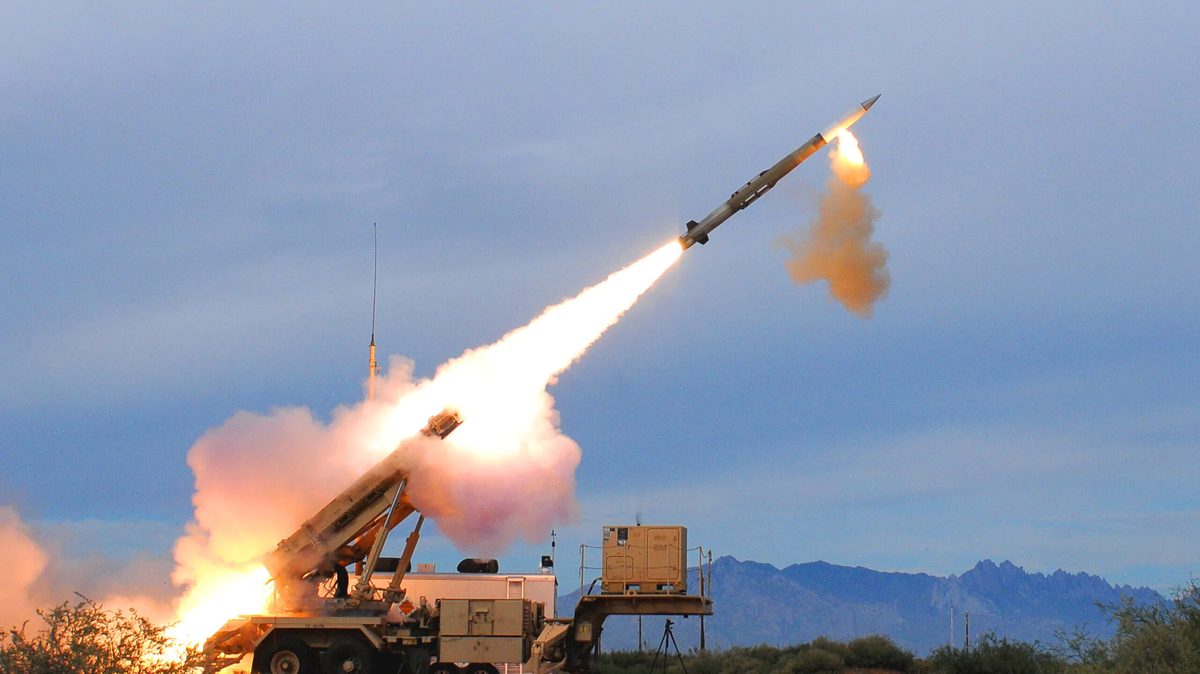
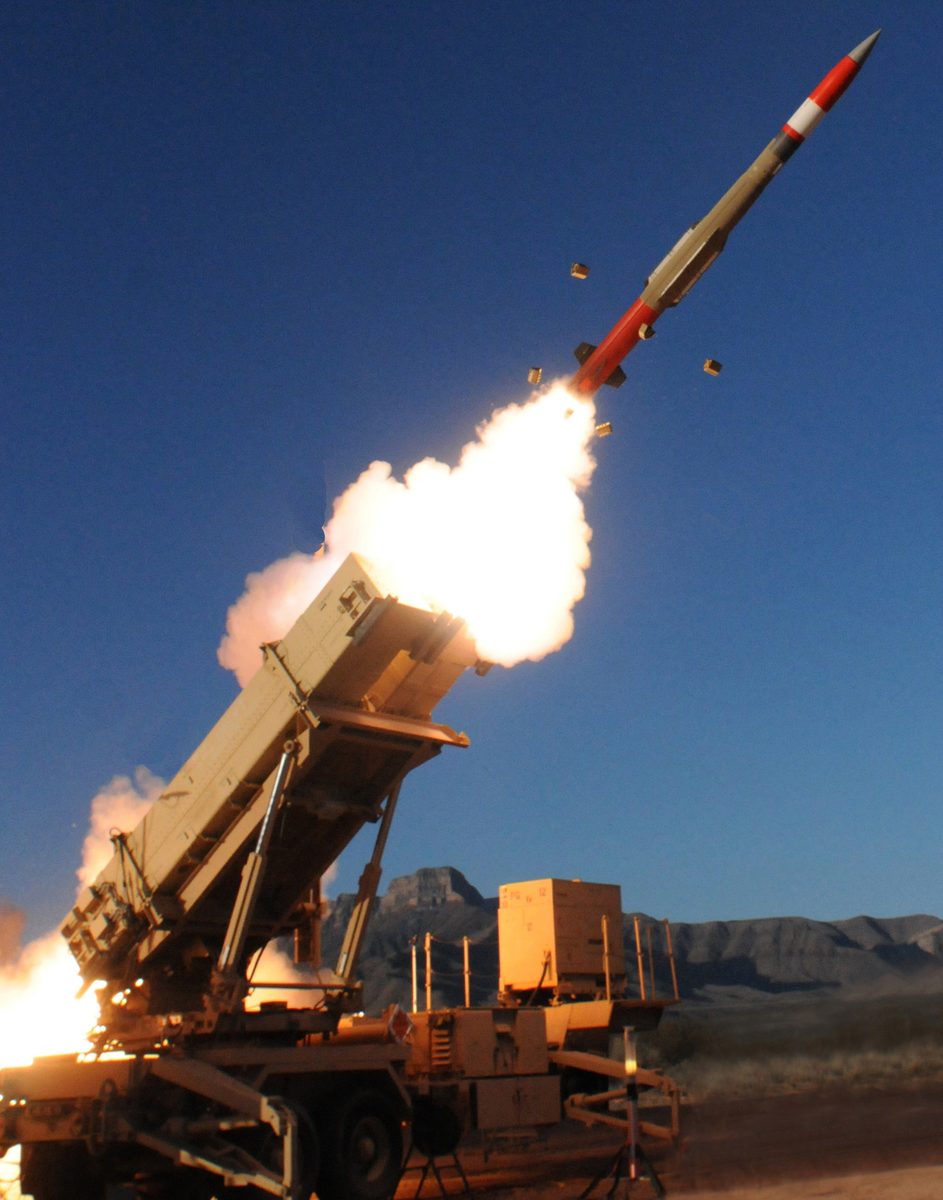
The U.S. military is trying to out-produce the missiles being fired at it. Boeing signed a seven-year, $14.7 billion contract to triple production of the seekers that guide Patriot interceptors, the air-defense missiles used heavily in the war against Iran, Ukraine's defense against Russia, and the defense of Israel.

The deal is one piece of a Pentagon push to raise Patriot Advanced Capability-3 (PAC-3) interceptor output from about 600 to 2,000 a year by 2030. The goal is to build enough interceptors to absorb repeated attacks without exhausting stockpiles, while still supplying allies in Europe, the Middle East and Asia.

Why it matters

If the production surge works, the U.S. and its allies can sustain air-defense operations through prolonged conflicts instead of rationing interceptors.

Questions about this story

Free account needed to ask — your question is kept and asked for you right after sign-up. Answers are public.

No questions yet — be the first to ask.

Key Indicators

$14.7B
Boeing seeker contract value
Seven-year undefinitized contract action from Lockheed Martin, more than five times Boeing's October 2025 seeker awards.
2,000
Target annual PAC-3 interceptor production by 2030
Lockheed Martin's goal under the seven-year framework signed in January 2026.
600
Current annual PAC-3 interceptor production
The baseline before the production surge began.
6,000+
Seekers delivered from Huntsville since 2000
Boeing has built PAC-3 seekers in Alabama for over two decades as a Lockheed subcontractor.
$200M
Boeing investment in Huntsville site since 2024
Includes a 35,000-square-foot facility expansion; deliveries rose more than 30% in 2025.

Voices

Curated perspectives — historical figures and your fellow readers.

Ever wondered what historical figures would say about today's headlines?

Sign up to generate historical perspectives on this story.

People Involved

Organizations Involved

Timeline

October 2025 October 2026

8 events Latest: 2 days ago
Tap a bar to jump to that date
  1. Boeing gets $14.7B seeker contract

    Latest Contract

    Boeing receives seven-year, $14.7 billion undefinitized contract to triple PAC-3 MSE seeker production.

  2. L3Harris gets propulsion deal

    Contract

    L3Harris receives $4.7 billion, seven-year subcontract from Lockheed Martin for PAC-3 MSE propulsion.

  3. Boeing signs SM-3 frameworks

    Framework Agreement

    Boeing signs seven-year framework agreements with the Department of War and Raytheon to increase Standard Missile-3 hardware production.

  4. Army expands prime contract

    Contract

    Army modification of up to $53.86 billion brings the multiyear prime contract to $58.62 billion.

  5. Boeing signs seeker framework

    Framework Agreement

    Boeing signs its own seven-year seeker framework agreement, starting production ramp-up and hiring in Huntsville.

  6. Army awards year-one contract

    Contract

    Army awards $4.76 billion undefinitized contract action for year one of PAC-3 production.

  7. Pentagon signs PAC-3 framework

    Framework Agreement

    Department of War signs seven-year framework with Lockheed Martin to raise PAC-3 MSE capacity from about 600 to 2,000 interceptors a year.

  8. Boeing gets $2.7B seeker contracts

    Contract

    Boeing receives multiyear contracts worth about $2.7 billion for more than 3,000 PAC-3 seekers at up to 750 units a year through 2030.

Scenarios

1

Boeing triples seeker output, hits 2,000 a year

Likely Resolves by End of 2030

Discussed by: Defense War Room analysis; Army Recognition

The framework agreements are in place and production ramp-up began in April. If Boeing's supplier base and Huntsville workforce can scale, annual seeker output approaches 2,000 units, matching Lockheed's interceptor goal. Boeing reports quarterly results on October 27, which may show early progress.

2

Definitization cuts scope, ramp slows

Possible Resolves by Q2 2027

Discussed by: Defense War Room (notes terms subject to negotiation and annual appropriations still required)

The $14.7 billion award is undefinitized, meaning pricing, quantities and delivery schedules are not yet fixed. If negotiations or fiscal 2027 appropriations fall short, the ramp could slow below the tripled target.

3

Cost scrutiny forces program review

Possible Resolves by End of 2027

Discussed by: Defense News (notes scrutiny of costly interceptors vs cheap munitions)

The U.S. military's reliance on expensive interceptors against low-cost munitions has drawn scrutiny since the war against Iran. A formal review could change production targets or push for cheaper alternatives.

Historical Context

3 moments from history that rhyme with this story — and how they unfolded.

December 1940 - August 1945

Arsenal of Democracy (1940-1945)

President Franklin Roosevelt called for the U.S. to become the 'arsenal of democracy' in December 1940. American industry responded by out-producing the Axis, building roughly 300,000 aircraft and 88,000 tanks during the war.

Then

Mass production overwhelmed Axis output and supplied allies through Lend-Lease.

Now

Established U.S. industrial might as a strategic asset and deterrent.

Why this matters now

The 'Arsenal of Freedom' name directly echoes this history. The current surge is a peacetime attempt to recreate wartime production capacity for missile defense.

1981-1986

Reagan defense buildup (1981-1986)

President Ronald Reagan launched a peacetime military expansion, including the 600-ship Navy and the MX missile program. Defense spending rose from about $170 billion to $280 billion over five years.

Then

The buildup pressured the Soviet Union into an arms race it could not sustain.

Now

Set the precedent for using production capacity as a strategic lever in peacetime.

Why this matters now

The current surge is the largest peacetime munitions production increase since the Reagan era, using multiyear contracts to give industry the demand certainty it needs to invest.

January-February 1991

Patriot in the Gulf War (1991)

The Patriot missile system made its combat debut in the 1991 Gulf War, intercepting Iraqi Scud missiles. The system's performance was heavily publicized, though later analysis found its effectiveness was overstated.

Then

Patriot became a symbol of missile defense and demand for the system surged.

Now

Established Patriot as the backbone of U.S. and allied air defense, leading to the PAC-3 upgrade.

Why this matters now

Shows how combat use drives Patriot production demand. The current surge is the latest chapter in that cycle.

Sources

(10)