


Pull to refresh
Logo
Pentagon awards Raytheon record multi-year contract to ramp up AMRAAM production

Pentagon awards Raytheon record multi-year contract to ramp up AMRAAM production

Force in Play

Five-year deal targets 1,900 missiles per year for the US military and 16 allies

Yesterday: Raytheon announces record AMRAAM production contract

Overview

Updated 1 hour ago

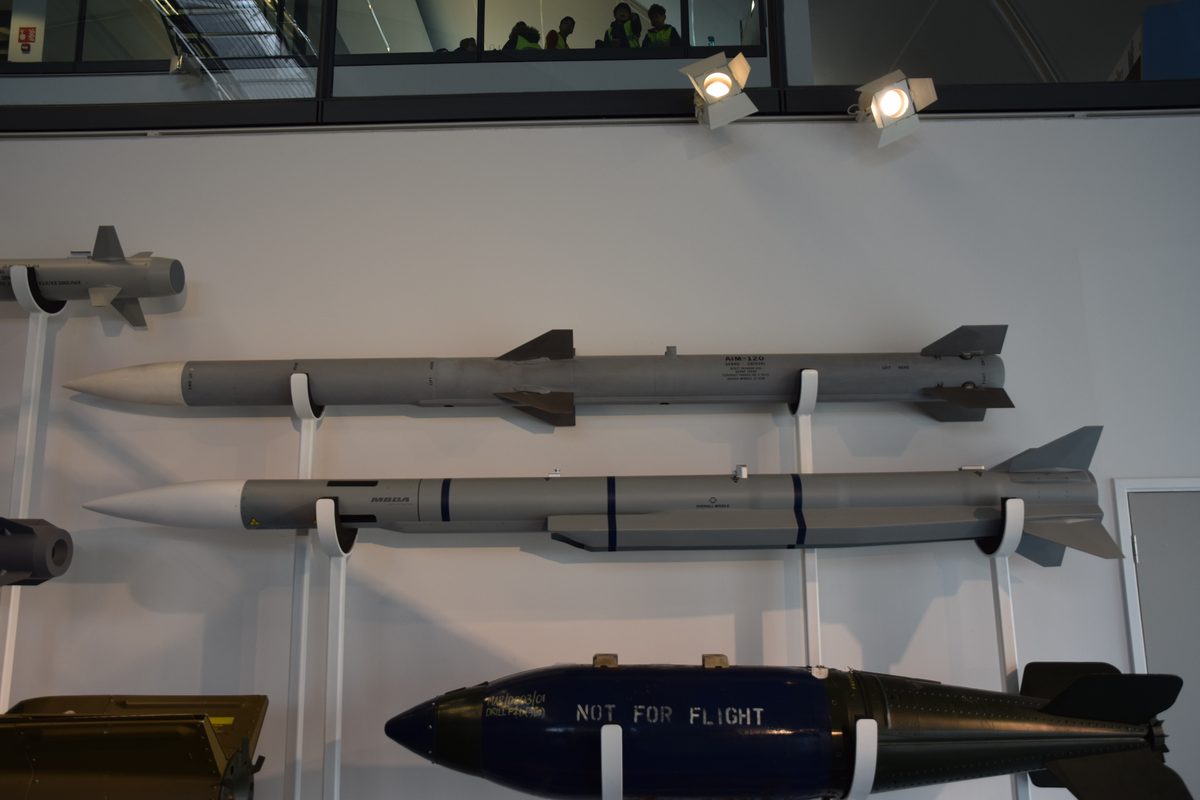
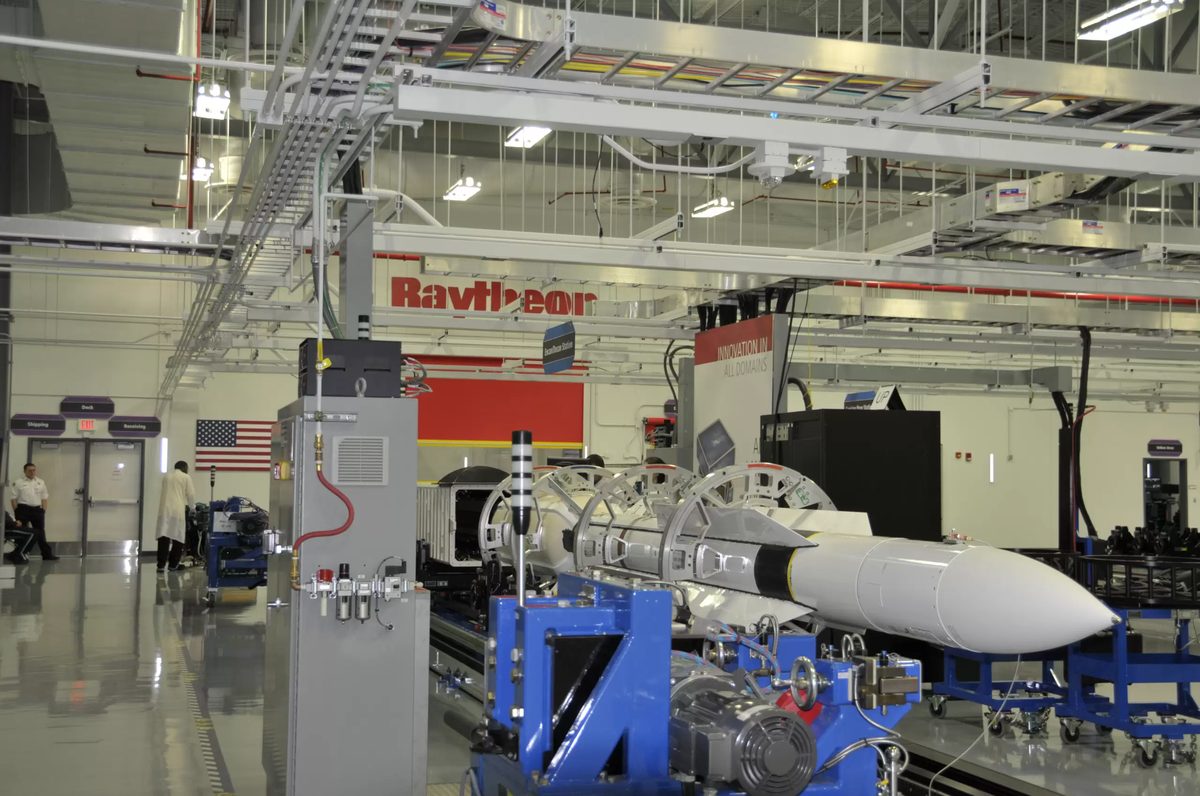
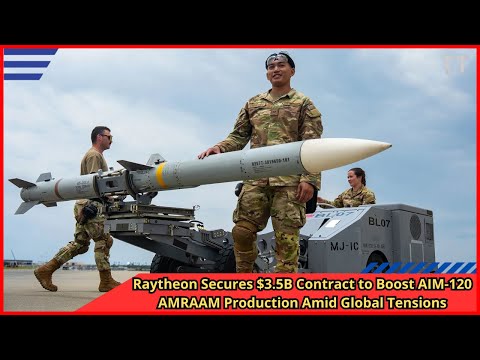
Raytheon will build AIM-120 AMRAAM missiles at record rates under a five-year contract worth up to $20.7 billion, with two option years. The deal targets 1,900 missiles per year for the US Air Force, Navy, and 16 allied countries.

The contract is part of the Pentagon's 'Arsenal of Freedom' push to rebuild munitions stockpiles drained by operations in Ukraine and the Middle East. Congress has not yet appropriated the full funding, so only about $154 million is obligated at signing.

Why it matters

Missile stockpiles ran low sending weapons to Ukraine and firing them in the Middle East. This contract decides how fast they rebuild.

Questions about this story

Free account needed to ask — your question is kept and asked for you right after sign-up. Answers are public.

No questions yet — be the first to ask.

Key Indicators

$20.7 billion
Contract maximum value
Five-year base plus two option years; not yet fully appropriated by Congress.
1,900+
Annual missile production target
Minimum yearly output under the landmark agreement announced earlier in 2026.
16
Allied buying countries
Australia through the UK, plus Taiwan, buying through the Foreign Military Sales program.
~2x
Production growth 2024 to 2025
Raytheon nearly doubled AMRAAM output in 2025 versus 2024.
$154 million
Funds obligated at award
Foreign Military Sales and Air Force procurement money on hand at signing; the rest awaits appropriations.

Voices

Curated perspectives — historical figures and your fellow readers.

Ever wondered what historical figures would say about today's headlines?

Sign up to generate historical perspectives on this story.

People Involved

Organizations Involved

Timeline

January 2025 September 2026

3 events Latest: Yesterday
  1. Raytheon announces record AMRAAM production contract

    Latest Announcement

    Public reveal confirms production scales to at least 1,900 missiles per year under the Arsenal of Freedom agreement.

  2. Pentagon signs $20.7 billion AMRAAM contract

    Contract

    Air Force Life Cycle Management Center awards the five-year deal with two option years, covering orders from 16 allied countries through 2033.

  3. Raytheon production ramp accelerates

    Production

    RTX invests heavily across munitions programs, nearly doubling AMRAAM output versus 2024 as conflict-driven demand surges.

Scenarios

1

Congress funds full contract, production hits record levels

Likely Resolves by Jan 31, 2027

Discussed by: Pentagon acquisition leadership; Reuters reporting on multi-year procurement strategy

Congress appropriates the full multi-year funding in the FY2027 budget, letting Raytheon commit to suppliers and expanded facilities. The company sustains or surpasses the 1,900-per-year target through the contract's base term.

2

Partial funding stalls the production ramp

Possible Resolves by Jan 31, 2027

Discussed by: Defense industry executives quoted by Reuters and the Straits Times

Congress funds only part of the multi-year commitment. Without assured long-term demand, Raytheon holds back on supplier contracts and facility investment, and production growth slows below the advertised target.

3

International co-production expands output

Possible Resolves by Sep 28, 2027

Discussed by: RTX statements on exploring co-production; Reuters

RTX signs co-production agreements with allied governments, adding foreign production lines to US capacity. This extends the ramp beyond Tucson and grows output further.

Historical Context

2 moments from history that rhyme with this story — and how they unfolded.

December 1940

Arsenal of Democracy (1940-1945)

President Franklin Roosevelt's December 29, 1940 fireside chat cast the United States as 'the great arsenal of democracy,' committing American factories to arm Britain and its allies before Pearl Harbor. US plants went on to outproduce the Axis powers by 1943.

Then

American factories supplied the Allies at a scale that made victory possible without equal US ground involvement until 1944.

Now

Established the model for industrial mobilization and gave the 'arsenal' name its lasting power.

Why this matters now

The 'Arsenal of Freedom' initiative borrows this framing deliberately; the AMRAAM contract is today's attempt to mobilize production for allied nations facing conflict.

1981-1986

Reagan-era defense buildup (1981-1986)

The Reagan administration pushed annual defense spending up sharply in real terms, funding major programs like the B-1 bomber, the MX missile, and the 600-ship Navy to rebuild US military capability against the Soviet Union.

Then

US modernization proceeded quickly while defense contractors scaled production lines across the country.

Now

The buildup forced the Soviet Union into a spending race it could not sustain; its economic effects remain debated.

Why this matters now

Shows how a deliberate US decision to scale weapons production can reshape both industrial capacity and adversary calculations, the same logic behind Arsenal of Freedom.

Sources

(8)