
Pull to refresh
Logo
Ukraine runs short of Patriot interceptors as Russia intensifies missile strikes on Kyiv

Ukraine runs short of Patriot interceptors as Russia intensifies missile strikes on Kyiv

Force in Play

A single war against Iran drained global interceptor stocks. Now Kyiv's skies are nearly undefended against ballistic missiles.

Today: Kyiv hit as interceptor stock runs dry

Overview

For most of the war, Ukraine's Patriot batteries could knock down the ballistic missiles Russia aimed at Kyiv. On August 1, they stopped one out of 27.

Ukraine has run out of interceptor missiles for its US-supplied Patriot systems. Russia has noticed, and is pointing its heaviest ballistic barrages at the capital. Washington has promised to let Ukraine build its own interceptors, but that is years away.

Why it matters

Kyiv now has almost nothing to stop a ballistic missile, and the one plant that makes the interceptors can't keep pace with a single war.

Questions about this story

No questions yet — be the first to ask.

Key Indicators

1 of 27
Ballistic missiles intercepted
Ukraine downed just one of 27 ballistic missiles fired at it overnight.
~185
Drones launched
Attack drones fired alongside the missile salvo on August 1.
~25%
US Patriot stockpile vs. requirement
The Center for Strategic and International Studies estimates US stocks sit near a quarter of the Pentagon's target.
~620/yr
PAC-3 MSE built per year
One Lockheed Martin plant supplies more than 20 allied buyers.
$58.6B
New US Patriot contract
Army award to Lockheed to triple interceptor output by 2030.

Voices

Curated perspectives — historical figures and your fellow readers.

Ever wondered what historical figures would say about today's headlines?

Sign up to generate historical perspectives on this story.

Play

Exploring all sides of a story is often best achieved with Play.

Most of these play right now — no account needed. Sign up to save scores, keep a streak, and unlock Debate and Predict. Log in Sign Up
Predict 4 ways this could play out. Back the one you believe — contrarian picks score more when a scenario has a resolution date. Log in to play

People Involved

Organizations Involved

Timeline

February 2026 August 2026

6 events Latest: Today
Tap a bar to jump to that date
  1. Kyiv hit as interceptor stock runs dry

    Today Attack

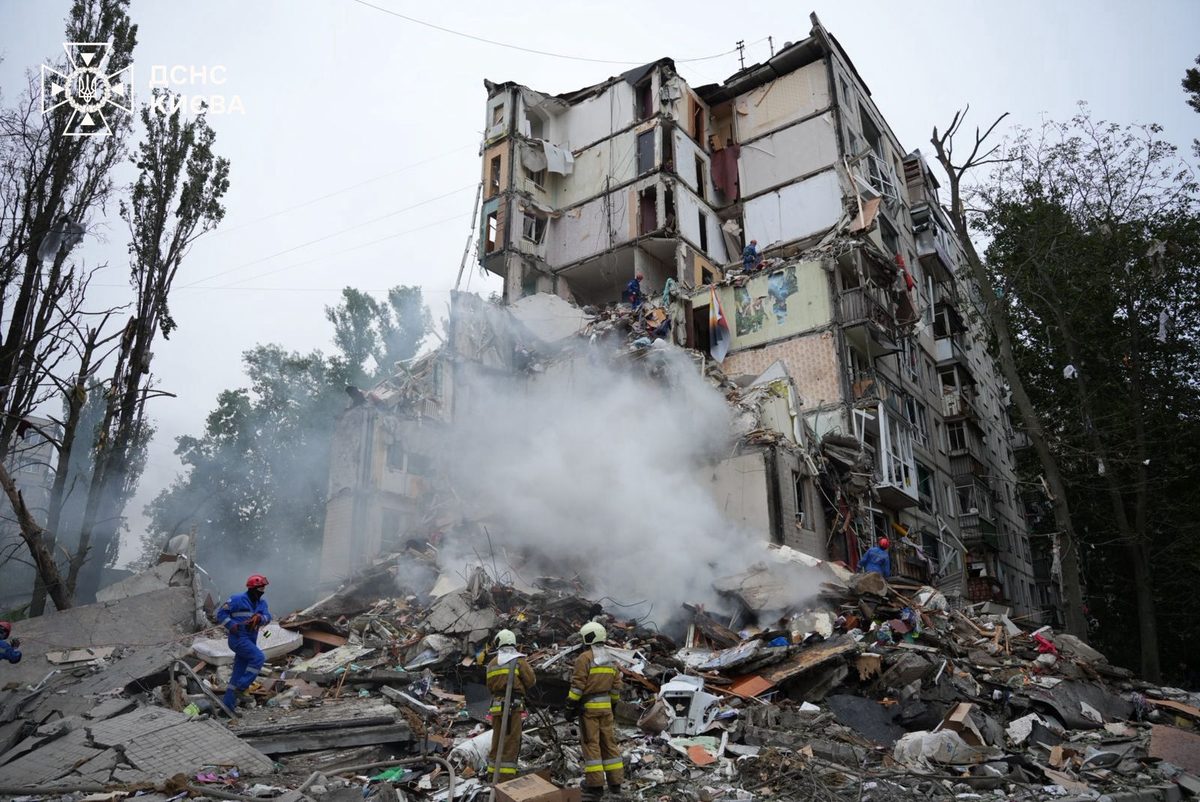
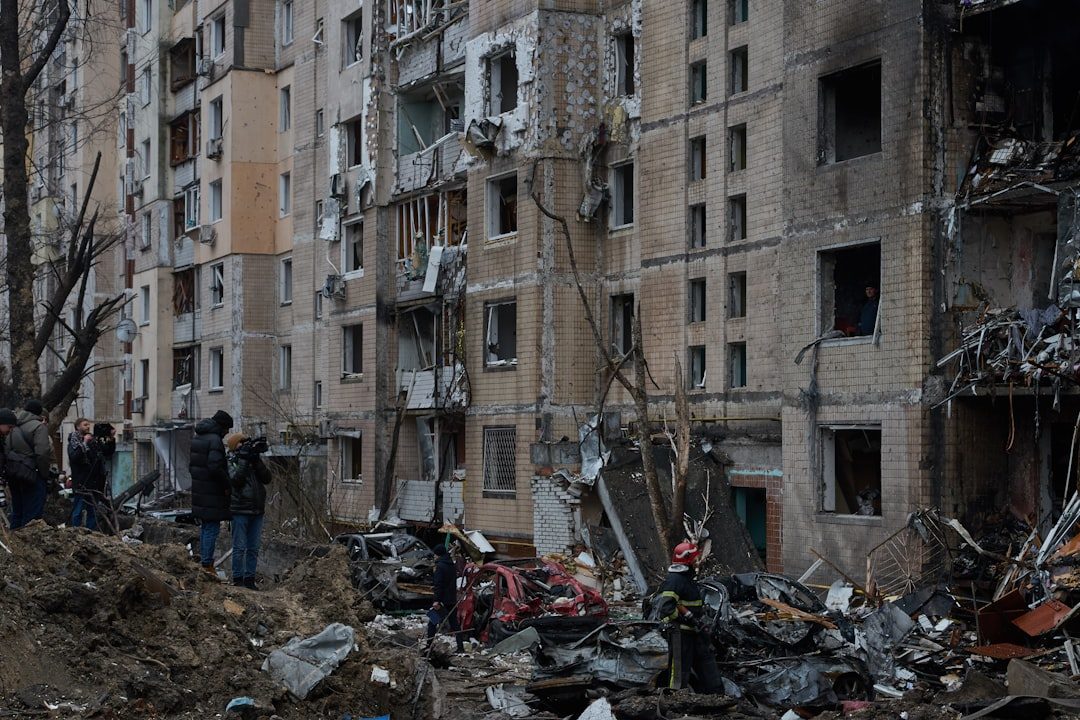
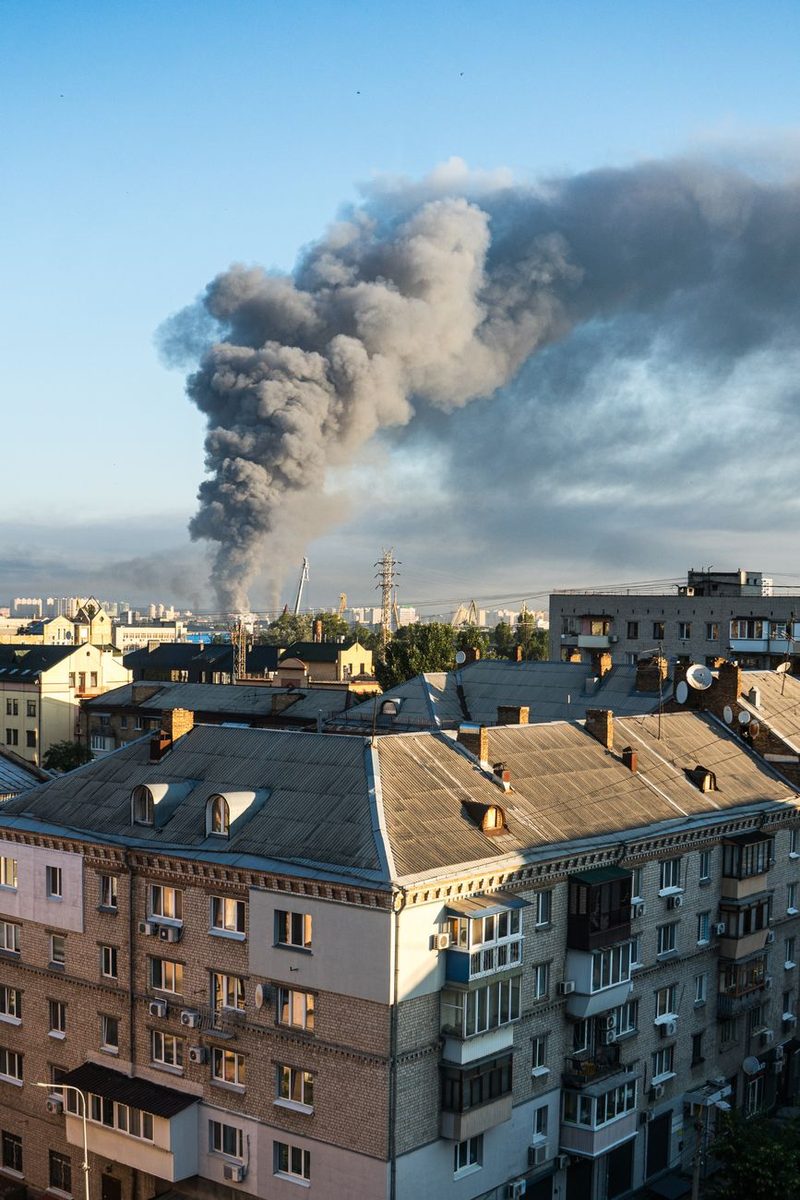
    Russia strikes Kyiv with about 35 missiles, including 27 ballistic, and roughly 185 drones. Zelensky says Ukraine downed one ballistic missile because Patriot interceptors are exhausted. At least nine to ten people are killed and dozens wounded.

  2. Wide Russian strike kills at least 10

    Attack

    A major Russian barbage across Ukraine kills at least 10 people and injures more than 50, two days before the Kyiv strike.

  3. US signs $58.6 billion interceptor deal

    Procurement

    The US Army awards Lockheed Martin a contract worth up to $58.6 billion to produce PAC-3 MSE interceptors through fiscal 2032 and triple capacity by 2030.

  4. Largest ballistic barrage on Kyiv so far

    Attack

    Russia fires 25 ballistic missiles, 10 Zirkon hypersonic missiles, and 125 drones, mostly at Kyiv. Ukraine calls it the biggest ballistic attack on the capital since 2022. One person is killed.

  5. Trump pledges a production license

    Statement

    At the NATO summit in Ankara, Trump says the US will grant Ukraine a license to build Patriot interceptors. He notes Lockheed and RTX have not yet been informed.

  6. Iran war begins draining Patriot stocks

    Origin

    Operation Epic Fury, the US-Israeli campaign against Iran, opens. Over about six weeks it burns through an estimated 1,060 to 1,430 Patriot interceptors, roughly 18 months of production.

Historical Context

3 moments from history that rhyme with this story — and how they unfolded.

June 1944 - March 1945

German V-weapons against London (1944-1945)

Germany fired more than 9,000 V-1 flying bombs and over 1,000 V-2 rockets at London and southern England. Anti-aircraft guns with proximity fuzes learned to knock down the slower V-1s. The V-2, a true ballistic missile, arrived faster than sound and could not be intercepted at all.

Then

The V-2 killed thousands of civilians and could only be stopped by capturing or bombing its launch sites.

Now

It proved that ballistic missiles beat the defenses of their era, a gap defenders have chased ever since.

Why this matters now

Kyiv faces the same hard truth: ballistic missiles are the toughest threat to stop, and defense comes down to having enough interceptors ready.

January-February 1991

Patriot vs. Scud in the Gulf War (1991)

During the Gulf War, US Patriot batteries fired at Iraqi Scud ballistic missiles aimed at Israel and Saudi Arabia. It was the Patriot's combat debut against ballistic threats. Later reviews questioned how many Scuds it actually destroyed.

Then

The Patriot became a symbol of missile defense, though its real intercept rate was hotly disputed.

Now

Decades of upgrades produced today's PAC-3 hit-to-kill interceptor, far more capable but costly and slow to build.

Why this matters now

The Patriot now defending Kyiv descends from that 1991 system. Its problem today is not accuracy but supply: there are too few interceptors to go around.

July-October 1940

Battle of Britain attrition (1940)

Britain's Royal Air Force defended against German air attacks through the summer of 1940. Victory hinged less on any single dogfight than on whether Britain could replace lost fighters and pilots faster than they were destroyed.

Then

British aircraft factories out-produced their losses, keeping enough fighters in the air to hold.

Now

It became the textbook case that air defense is a production and attrition contest, not just a technology one.

Why this matters now

Ukraine's crisis is an attrition problem. When interceptors run out faster than factories can build them, the defense fails no matter how good the missile is.

Sources

(8)