
Pull to refresh
Logo
Boston drops plan to extend center-running bus lanes on Columbus Avenue

Boston drops plan to extend center-running bus lanes on Columbus Avenue

Built World Boston, MA local

City chooses curbside design instead, with construction scheduled for 2027

Today: City drops center-running extension plan

Overview

Updated 58 minutes ago

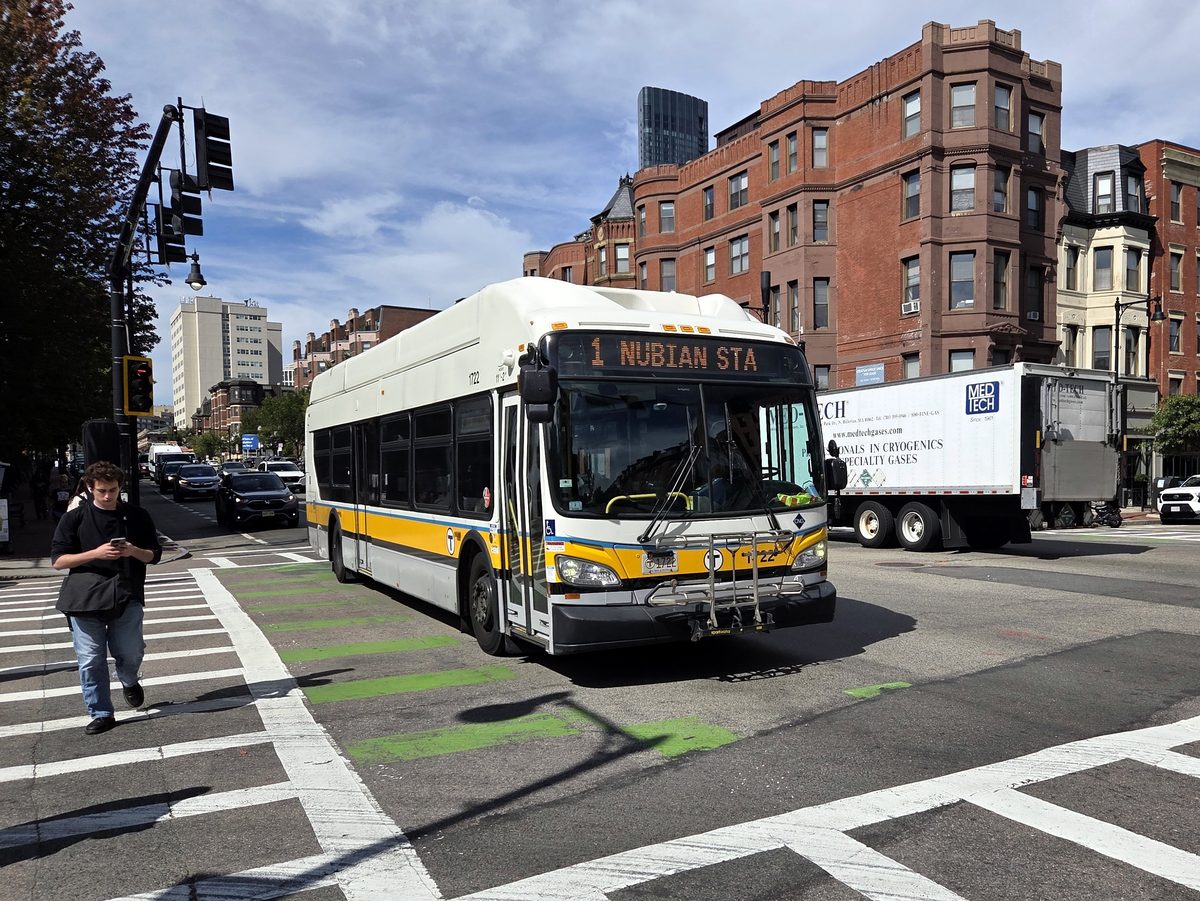
Boston spent five years planning a signature transit upgrade: extending its center-running bus lanes on Columbus Avenue north to Ruggles Station. The city has now dropped that design and will build curbside bus lanes instead, with ground-breaking scheduled for 2027.

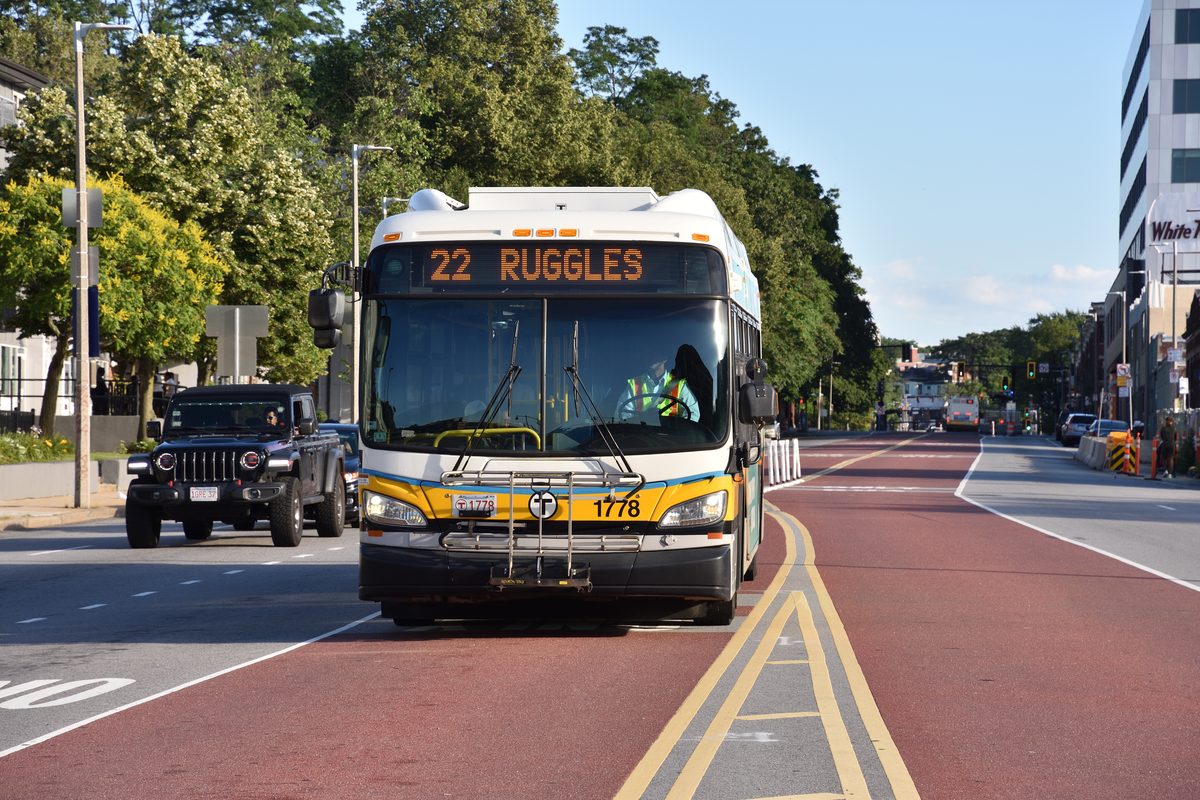
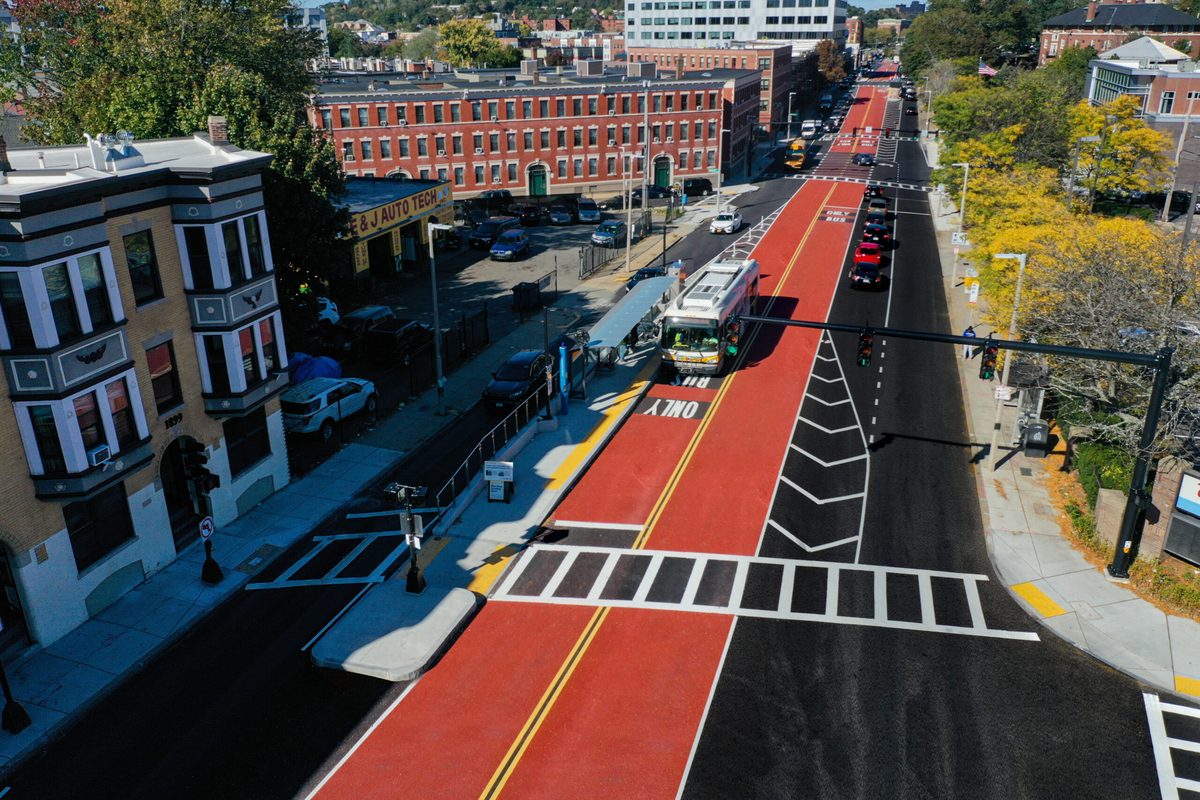
The center-running lanes, opened in 2021 as New England's first, put buses in the median with dedicated boarding platforms. City data showed they cut roadway injuries on the corridor by 27.6% and saved riders 3 to 4 minutes a trip. Curbside lanes put buses back alongside parked cars and turning traffic — the conflicts the center-running design was built to eliminate.

Why it matters

Boston riders on routes 22, 29, and 44 were promised faster, safer center-running lanes. The curbside compromise delivers less.

Monday: what changed in Boston, MA

One short email a week with the openings, closings, permits and council votes we covered. Free. Unsubscribe in one click.

Questions about this story

Free account needed to ask — your question is kept and asked for you right after sign-up. Answers are public.

No questions yet — be the first to ask.

Key Indicators

27.63%
Corridor injury decrease after Phase 1
Roadway injuries on Columbus Avenue fell 27.6% after the center-running lanes opened in 2021, a larger drop than on similar Boston streets.
78%
Phase 1 rider satisfaction
Riders surveyed by the city reported high satisfaction with the center-running bus lanes and boarding platforms.
3–4 min
Rush-hour time saved per trip
Center-running lanes saved bus riders about 3 to 4 minutes per trip during rush hour, or about 7 minutes a day.
2027
Curbside construction target
The new curbside design is scheduled to break ground in 2027, per the city's latest announcement.

Voices

Curated perspectives — historical figures and your fellow readers.

Ever wondered what historical figures would say about today's headlines?

Sign up to generate historical perspectives on this story.

People Involved

Organizations Involved

Timeline

August 2019 October 2026

4 events Latest: Today
Tap a bar to jump to that date
  1. City drops center-running extension plan

    Today Design Change

    Boston abandons the plan to extend center-running lanes north to Ruggles Station and selects a curbside design instead, scheduled to break ground in 2027.

  2. New England's first center-running bus lanes open

    Opening

    Phase 1 opens from Jackson Square to Walnut Avenue, serving bus routes 22, 29, and 44 with center-running lanes and boarding platforms.

  3. Public meetings on bus lane design

    Public Engagement

    City holds virtual public meetings on the Columbus Avenue transportation improvements, including the Egleston Square redesign.

  4. Planning begins for Columbus Avenue bus lanes

    Planning

    City of Boston and MBTA start planning bus priority improvements on Columbus Avenue with community stakeholders.

Scenarios

1

Curbside lanes break ground in 2027 as scheduled

Likely Resolves by End of 2027

Discussed by: City announcement reported by Boston.com

The city proceeds with the curbside design along the 1.2-mile segment between Jackson Square and Ruggles Station. Construction begins in 2027 and the project delivers the promised multimodal improvements — bus stops, shelters, bicycle and pedestrian safety work — though without the center-running configuration riders were originally promised.

2

Curbside project delayed or redesigned again

Possible Resolves by End of 2027

Discussed by: Boston.com coverage of transit project delays

The curbside design hits a snag — funding shortfalls, community opposition, utility conflicts, or engineering complications — pushing construction past 2027. Boston has a track record of transit projects slipping on schedule as designs iterate.

3

Center-running design partially restored

Unlikely Resolves by End of 2028

Discussed by: Transit advocates and community organizations

Community pressure and the documented success of Phase 1 — 27.6% fewer injuries, high rider satisfaction — push the city to restore center-running lanes on at least part of the corridor, or to add elements of the original design into the curbside plan.

Historical Context

2 moments from history that rhyme with this story — and how they unfolded.

October 2021

Columbus Avenue Phase 1 Opening (2021)

Boston opened New England's first center-running bus lanes on Columbus Avenue after two years of planning. Mayor Kim Janey, MBTA General Manager Steve Poftak, and MassDOT Secretary Jamey Tesler attended the ribbon cutting. The lanes served bus routes 22, 29, and 44 from Jackson Square to Walnut Avenue.

Then

City data showed riders saved 3 to 4 minutes per trip during rush hour, and roadway injuries on the corridor fell 27.6% — a larger drop than on similar Boston streets.

Now

The project became the template for bus priority in Boston and a flagship of the MBTA's Better Bus Project, prompting plans to extend the lanes north to Ruggles Station.

Why this matters now

The 2021 opening set the standard that Phase 2 was supposed to extend. Its documented success makes the 2026 decision to switch to curbside lanes a retreat from a design that had measurable results.

October 2019

NYC 14th Street Busway (2019)

New York City converted 14th Street in Manhattan into a busway, restricting private vehicle through-traffic and giving buses dedicated lanes. A coalition of local residents sued to block it, arguing it would hurt businesses and divert traffic to side streets.

Then

A court briefly halted the busway in early 2020, but it was allowed to continue after a months-long legal fight. Bus speeds improved significantly and the design stayed.

Now

The busway became a permanent feature and a proof point that dedicated bus priority can survive organized opposition and deliver results.

Why this matters now

Shows that ambitious bus priority projects face opposition but can endure when cities hold the line. Boston's decision to downshift to curbside lanes is a contrast — a retreat before construction even began.

Sources

(3)