
Pull to refresh
Logo
Daily Brief
Following
Why Ranks Sign Up
Great Lakes carp barrier begins in-water testing near Chicago

Great Lakes carp barrier begins in-water testing near Chicago

Built World

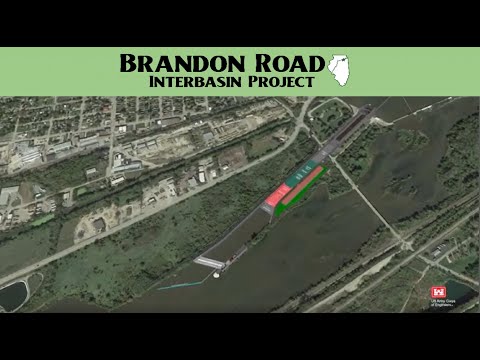
The first permanent piece of a $1.15 billion system meant to stop invasive carp reaches the water at Brandon Road

Today: In-water testing begins on first permanent barrier

Overview

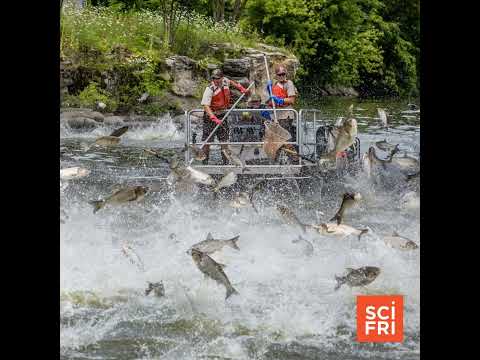
For more than a century, an artificial canal has linked the Mississippi River to Lake Michigan. That link is how invasive carp could reach the Great Lakes. This week, crews lowered the first permanent piece of a barrier built to close that door.

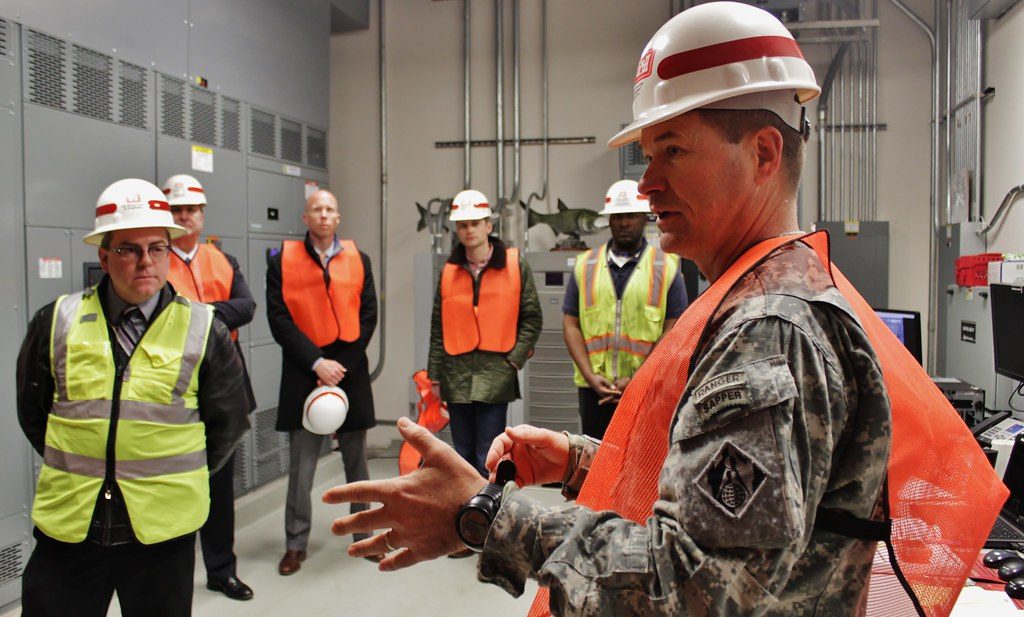
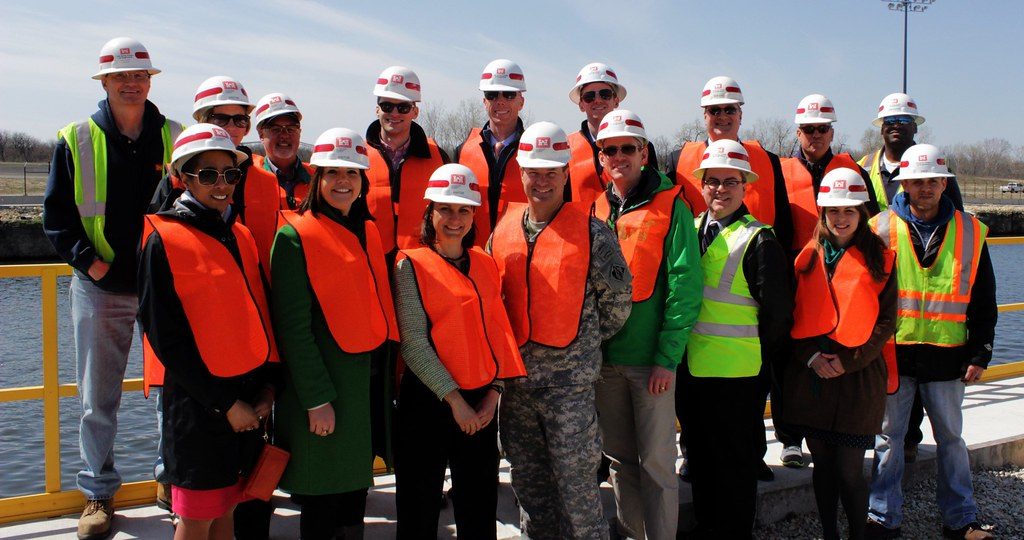
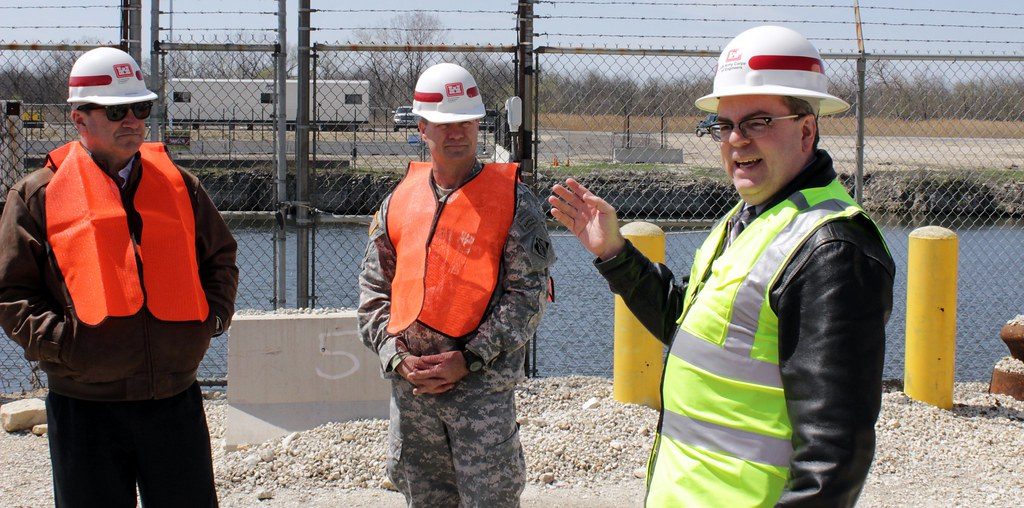
The US Coast Guard shut a stretch of the Chicago Sanitary and Ship Canal from July 13 to July 17 so the Army Corps of Engineers could test the component in the water. It is the first hardware milestone in a $1.15 billion system near Joliet, Illinois, aimed at protecting a roughly $7 billion Great Lakes fishery.

Why it matters

If invasive carp reach the Great Lakes, they could gut a $7 billion fishery and reorder the food web for five US states and Ontario.

Questions about this story

No questions yet — be the first to ask.

Key Indicators

$1.15B
Total project cost
Estimated cost of the full multi-layered barrier system at Brandon Road.
$7B
Great Lakes fishery at risk
Annual value of the fishery the barrier is meant to protect.
90%
Federal cost share
Share paid by the federal government; Illinois and Michigan cover the rest.
5 days
Canal safety-zone closure
Coast Guard closed the canal July 13–17 for in-water testing.
2030
Target completion
Full system is scheduled to finish around 2030.

Voices

Curated perspectives — historical figures and your fellow readers.

Ever wondered what historical figures would say about today's headlines?

Sign up to generate historical perspectives on this story.

Play

Exploring all sides of a story is often best achieved with Play.

Log in to play. Track your picks, climb the leaderboards. Log in Sign Up
Predict 3 ways this could play out. Contrarian picks score more — points lock when the scenario resolves. Log in to play
Higher or Lower Two numbers from this story. Guess which is bigger. 5 rounds to set a streak. Log in to play
Timeline Five events from this story — drag them oldest to newest. Log in to play
Connections Sixteen names from the news. Find the four hidden groups of four. Log in to play

People Involved

Organizations Involved

Timeline

December 2022 July 2026

7 events Latest: Today
Tap a bar to jump to that date
  1. In-water testing begins on first permanent barrier

    Today Milestone

    The Corps starts testing the first permanent barrier component in the canal during a five-day closure near Joliet, Illinois.

  2. Coast Guard sets the testing safety zone

    Regulatory

    The Coast Guard publishes the rule closing part of the canal from July 13 to July 17 for in-water testing.

  3. First contract completed

    Construction

    Crews finish the initial site-prep and rock-removal contract, clearing the way for the engineered channel work.

  4. First construction contract awarded

    Construction

    The Corps awards a $15.5 million contract for site preparation and riverbed rock removal, marking the start of physical work.

  5. Illinois and Michigan sign the partnership agreement

    Agreement

    The two states and the Army Corps sign the deal that unlocks construction funding and sets the 90/10 federal-state split.

  6. Funding agreement stalls

    Delay

    Negotiations over cost, land rights and permitting delay the partnership agreement through most of 2023, pushing back the timeline.

  7. Federal law raises the federal cost share to 90%

    Legislation

    The Water Resources Development Act of 2022 shifts most of the project's cost onto the federal government, easing the burden on Illinois and Michigan.

Historical Context

3 moments from history that rhyme with this story — and how they unfolded.

January 1900

Chicago Sanitary and Ship Canal opens (1900)

Engineers reversed the Chicago River and opened the Sanitary and Ship Canal to carry sewage away from Lake Michigan. The canal cut an artificial link between the Mississippi and Great Lakes basins that nature never made.

Then

The reversal solved Chicago's drinking-water contamination problem and boosted shipping.

Now

It created a permanent aquatic highway between two basins, the exact path invasive carp now use to approach Lake Michigan.

Why this matters now

The Brandon Road barrier exists to plug the hole this canal opened more than a century ago.

April 2002

Electric dispersal barrier goes live (2002)

The Army Corps switched on an experimental electric barrier in the canal to shock fish and block carp movement. It was the first line of defense and remains in operation.

Then

The barrier deterred fish passage but was never designed as a permanent, standalone solution.

Now

Carp DNA and fish were later detected upstream, showing a single electric barrier was not enough.

Why this matters now

Brandon Road layers sound, bubbles and a flushing lock on top of electricity because one method proved insufficient.

1930s–1950s

Sea lamprey invade the upper Great Lakes (1930s–1950s)

Sea lampreys spread through shipping canals into the upper Great Lakes and attached to native fish, collapsing the lake trout catch. The lake trout harvest fell from millions of pounds a year to near zero.

Then

Commercial fisheries in Lakes Huron and Michigan crashed within two decades.

Now

The US and Canada built a lasting control program that still spends tens of millions a year to hold lampreys down.

Why this matters now

It shows how one invasive species through a canal can wreck a fishery, and why officials treat carp as an existential threat.

Sources

(5)