

Pull to refresh
Logo
Daily Brief
Following
Why Ranks Sign Up
Army Corps recommends deepening Port of Gulfport channel

Army Corps recommends deepening Port of Gulfport channel

Built World

After almost two decades of state effort, the federal channel could go from 36 to 46 feet, opening Mississippi's port to bigger ships

Yesterday: Army Corps recommends the deepening

Overview

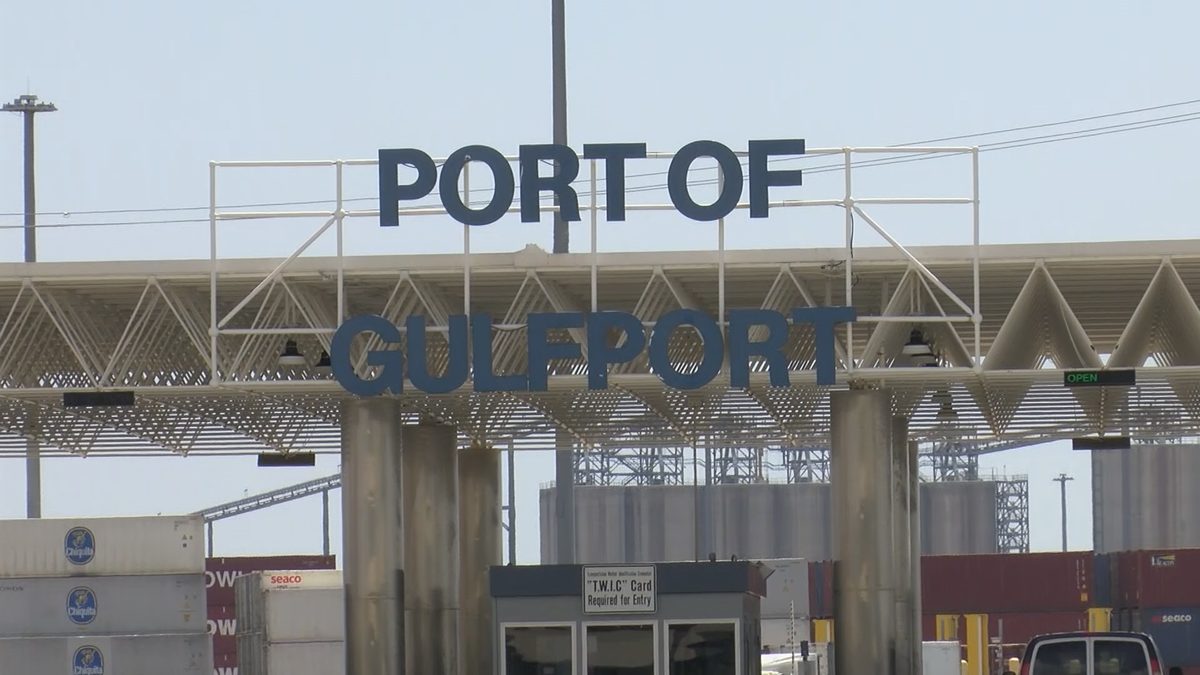
Ships have called at the Port of Gulfport through a 36-foot channel for decades. On June 9, 2026, the U.S. Army Corps of Engineers recommended digging it 10 feet deeper, the last technical step before Congress can authorize the work.

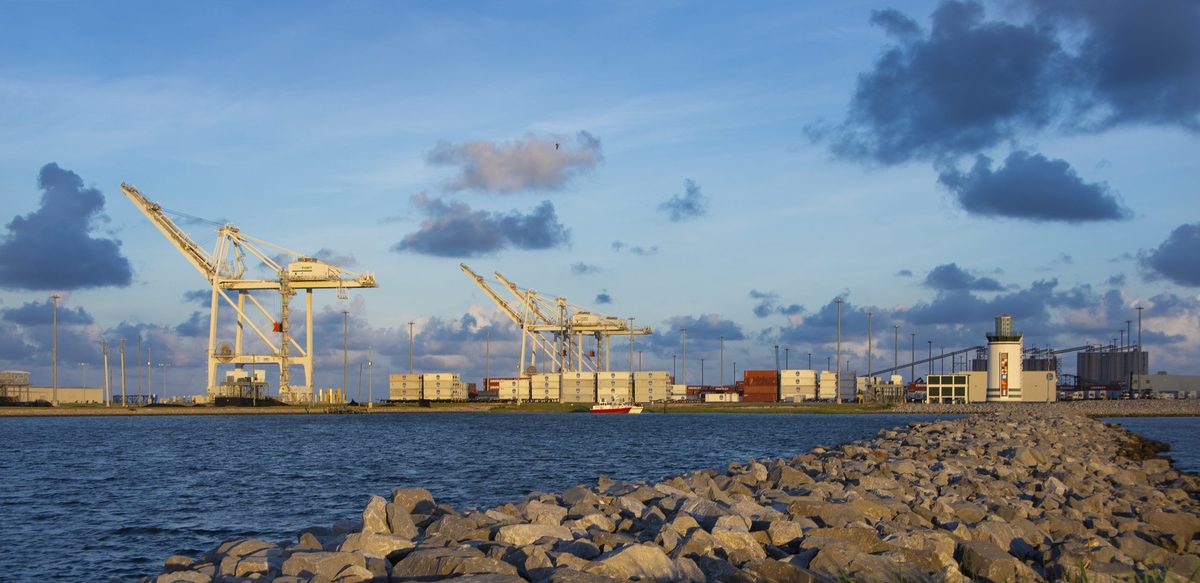
The roughly $548 million plan would let larger cargo vessels reach Mississippi's state-owned port. Federal taxpayers would cover 75% of the cost; the state and local partners pay the rest. Congress still has to approve it.

Why it matters

A deeper channel decides whether Gulfport competes for big container ships or watches that cargo, and the jobs tied to it, sail to rival Gulf ports.

Questions about this story

No questions yet — be the first to ask.

Key Indicators

$548M
Estimated project cost
Total price to deepen and widen the federal channel.
36 → 46 ft
New channel depth
The channel would drop from 36 feet to 46 feet.
300 → 350 ft
New channel width
Widening gives larger ships more room to pass.
75%
Federal cost share
Washington covers three-quarters; the state and local partners cover the rest.

Voices

Curated perspectives — historical figures and your fellow readers.

Ever wondered what historical figures would say about today's headlines?

Sign up to generate historical perspectives on this story.

Play

Exploring all sides of a story is often best achieved with Play.

Log in to play. Track your picks, climb the leaderboards. Log in Sign Up
Predict 3 ways this could play out. Contrarian picks score more — points lock when the scenario resolves. Log in to play
Higher or Lower Two numbers from this story. Guess which is bigger. 5 rounds to set a streak. Log in to play
Connections Sixteen names from the news. Find the four hidden groups of four. Log in to play

People Involved

Organizations Involved

Timeline

August 2005 June 2026

3 events Latest: Yesterday
  1. Army Corps recommends the deepening

    Latest Federal Decision

    The Chief of Engineers signed the Chief's Report, clearing the $548 million deepening for congressional authorization.

  2. Restoration program begins

    Infrastructure

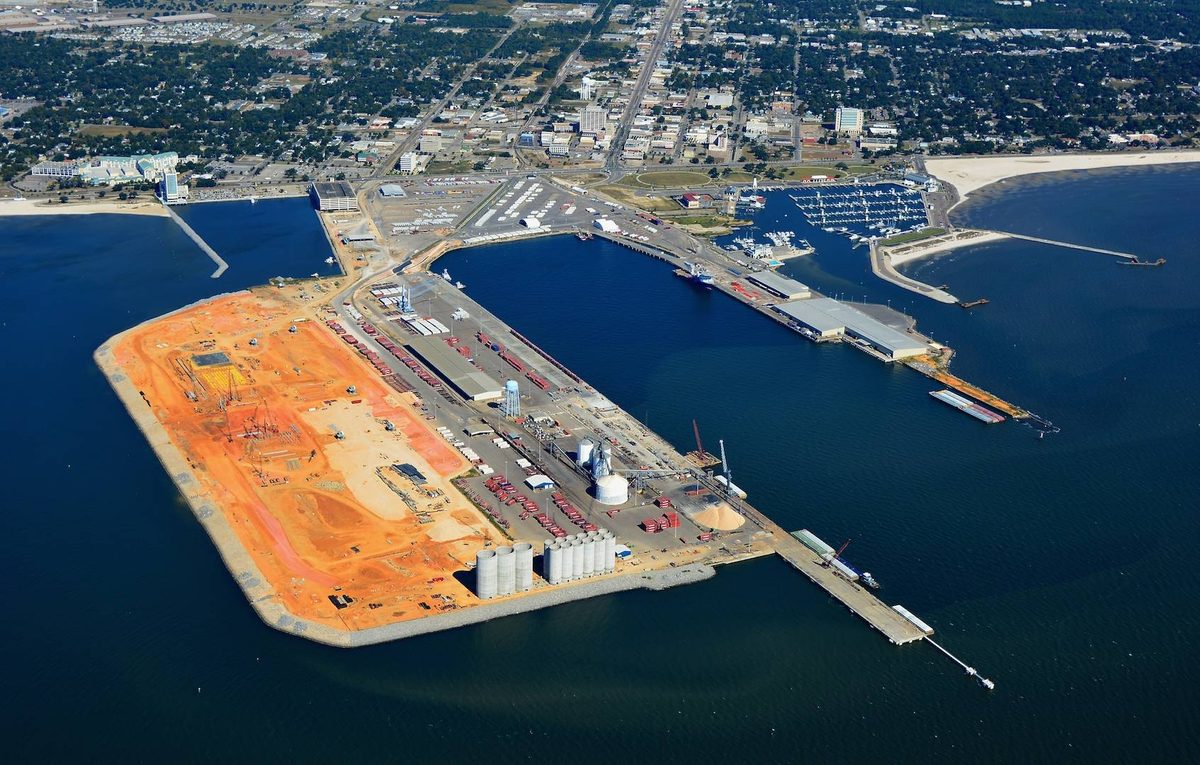
    Mississippi launched a roughly $570 million, federally funded program to rebuild and expand the port, finished around 2018.

  3. Hurricane Katrina devastates the port

    Disaster

    Katrina destroyed wharves, storage, and basic infrastructure at Gulfport, setting off a years-long rebuild.

Historical Context

3 moments from history that rhyme with this story — and how they unfolded.

1999–2022

Savannah Harbor Expansion (2022)

Georgia spent more than two decades pushing to deepen the Savannah River shipping channel. The Army Corps deepened it from 42 to 47 feet at a cost above $970 million, finishing in 2022.

Then

Bigger container ships could reach Savannah's terminals more fully loaded and at more tide windows.

Now

Savannah cemented its place as one of the busiest U.S. container ports and a model for the slow federal deepening process.

Why this matters now

It shows the path Gulfport is starting: long study, a Chief's Report, then years of authorization and funding before any dredge digs.

June 2016

Panama Canal expansion (2016)

A new set of larger locks opened on the Panama Canal, letting much bigger ships move between the Pacific and the Gulf and East coasts of the U.S.

Then

Carriers began routing larger vessels toward U.S. Gulf and East Coast ports.

Now

It set off a wave of channel-deepening projects as ports raced to handle the bigger ships.

Why this matters now

The bigger ships unleashed by the canal are exactly what a 46-foot channel would let Gulfport compete for.

2010s–2022

Charleston Harbor deepening (2022)

South Carolina deepened Charleston Harbor to 52 feet, making it the deepest harbor on the East Coast, after years of study and roughly $580 million in work.

Then

Charleston could handle the largest container ships at any tide.

Now

It raised the depth bar competitors must match to stay in the running for big-ship cargo.

Why this matters now

It shows the competitive pressure driving Gulfport: rival ports keep going deeper, and a 36-foot channel falls behind.

Sources

(5)