

Pull to refresh
Logo
HUD opens mortgage insurance to build-to-rent communities

HUD opens mortgage insurance to build-to-rent communities

Rule Changes

Mortgagee Letter 2026-12 lets developers finance detached single-family rentals through 221(d)(4) and 223(f)

Yesterday: HUD opens insurance to build-to-rent

Overview

Updated 1 hour ago

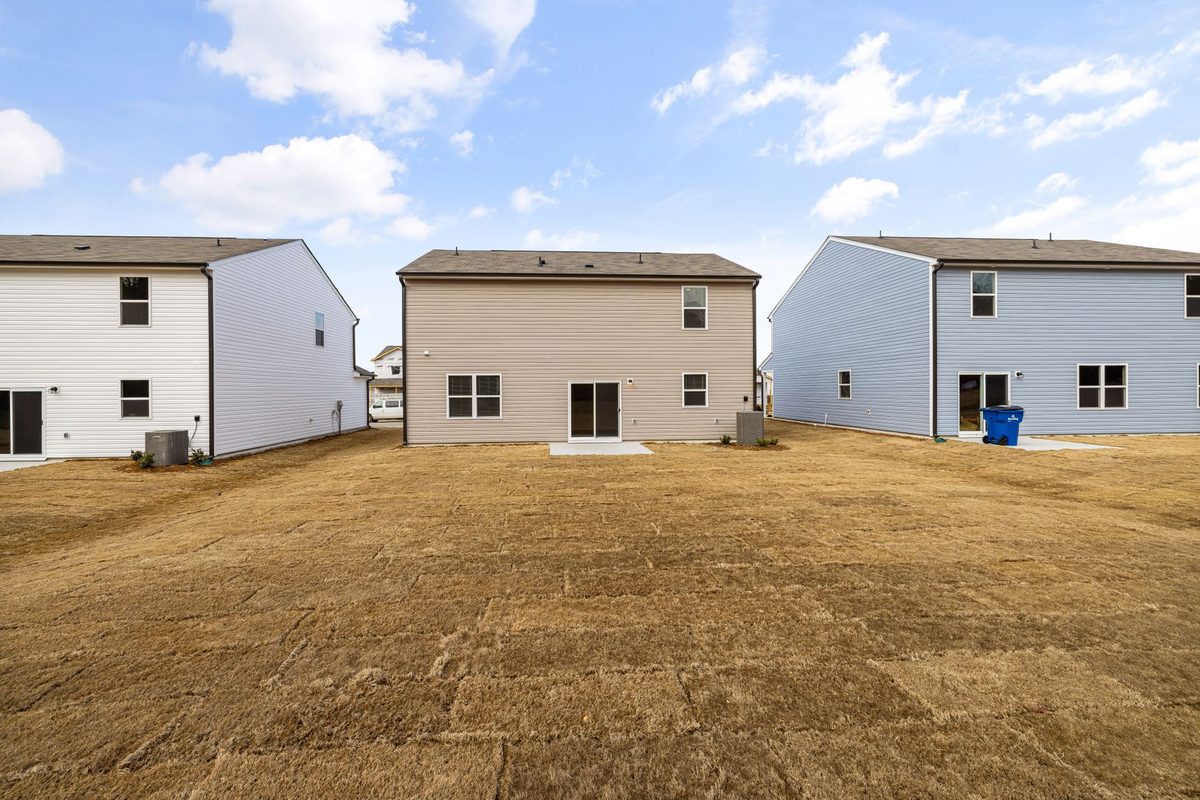
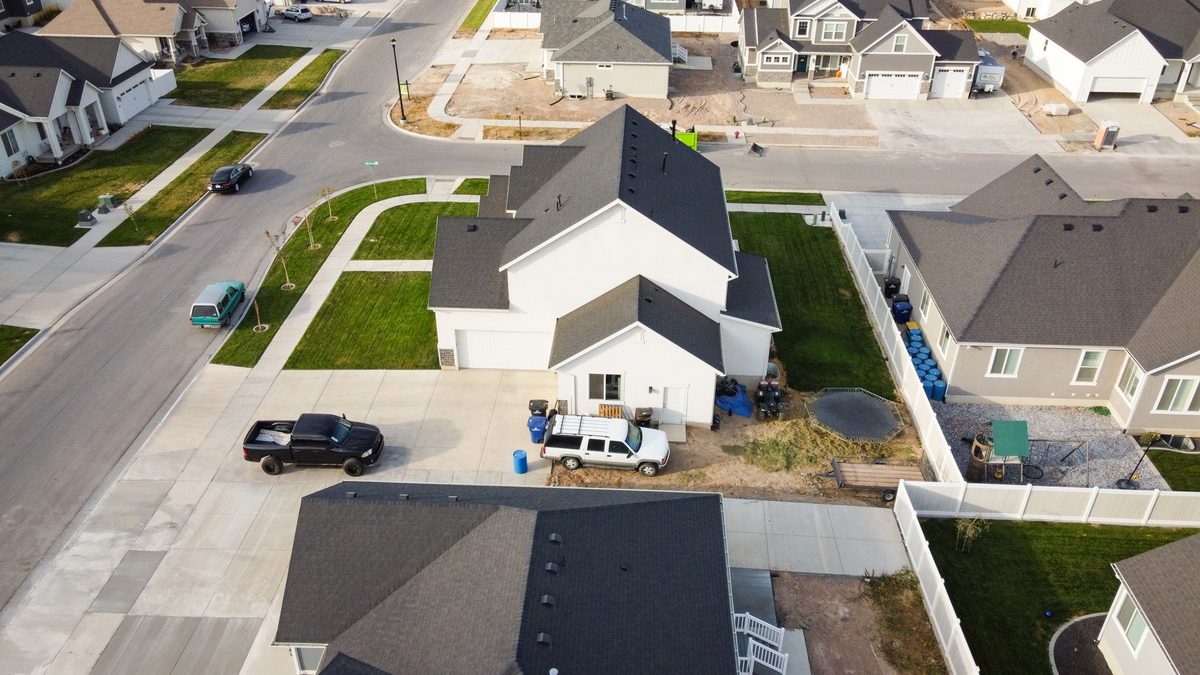
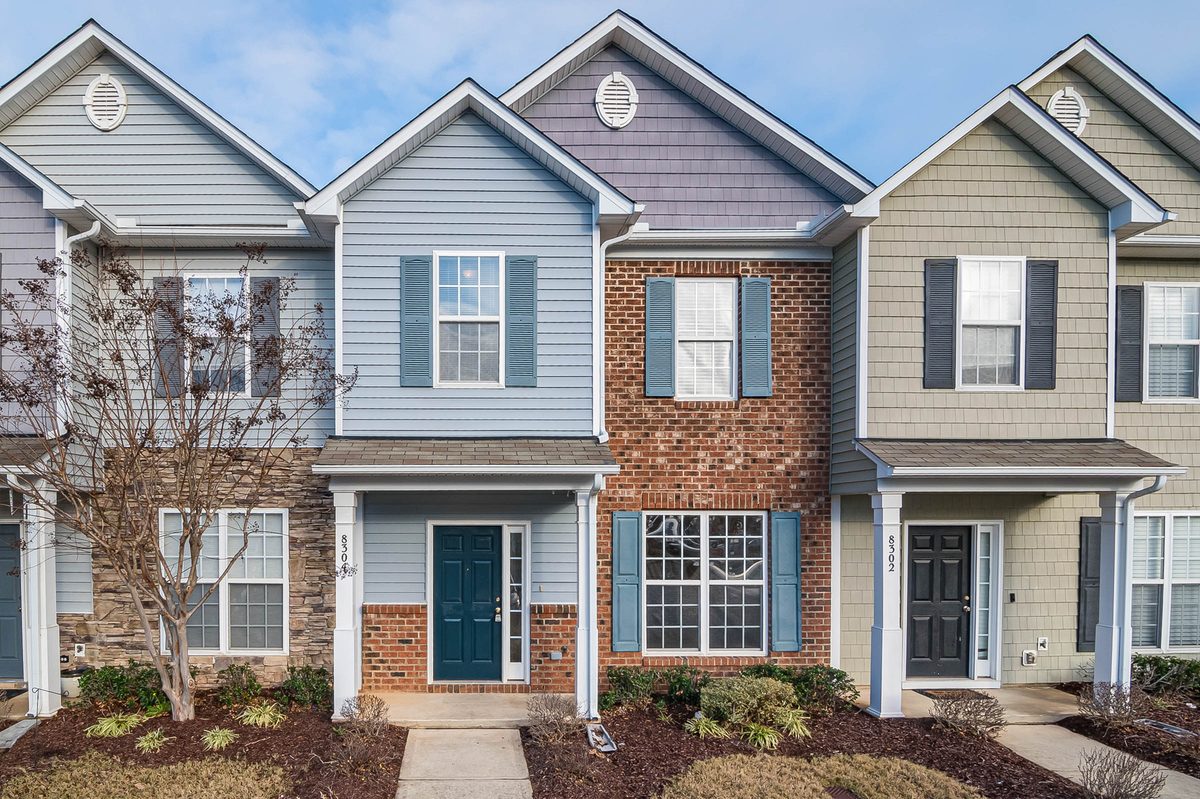
Build-to-rent developers can now get HUD-insured mortgages for communities of detached homes, duplexes, and triplexes. Mortgagee Letter 2026-12, effective immediately, opens two federal multifamily insurance programs that had been limited to apartment buildings with four or more units.

Section 221(d)(4) covers new construction; Section 223(f) covers buying or refinancing a community whose certificate of occupancy is less than three years old. Sponsors who depended on construction loans and short-term bridge debt now have a path to long-term, fixed-rate, non-recourse financing.

Why it matters

Build-to-rent developers gain access to the federal government's cheapest long-term mortgage debt, capital that could reshape how single-family rentals get financed.

Questions about this story

Free account needed to ask — your question is kept and asked for you right after sign-up. Answers are public.

No questions yet — be the first to ask.

Key Indicators

2
HUD multifamily programs opened to build-to-rent
Section 221(d)(4) for new construction; Section 223(f) for acquisition or refinancing.
7%
Minimum vacancy assumption for market-rate build-to-rent
HUD wants conservative occupancy estimates for the new property type.
5+
Minimum dwelling units in a build-to-rent community
Projects need five or more units on a cohesive, contiguous site.
24 months
Maximum absorption period for new construction
HUD will allow a longer lease-up window because construction runs on a rolling basis.

Voices

Curated perspectives — historical figures and your fellow readers.

Ever wondered what historical figures would say about today's headlines?

Sign up to generate historical perspectives on this story.

People Involved

Organizations Involved

Timeline

January 2026 October 2026

3 events Latest: Yesterday
  1. HUD opens insurance to build-to-rent

    Latest Regulation

    Mortgagee Letter 2026-12 makes detached-home rental communities eligible for 221(d)(4) and 223(f) insurance.

  2. Bravo Capital starts accepting build-to-rent applications

    Announcement

    Bravo will finance build-to-rent under the new guidance and is already working with developers.

  3. Executive order targets institutional rental ownership

    Policy

    President issues Executive Order 14376, directing HUD to include exceptions for build-to-rent communities.

Scenarios

1

Build-to-rent developers crowd into HUD financing

Possible Resolves by Q2 2028

Discussed by: Lenders including Bravo Capital and build-to-rent trade press

The guidance gives sponsors a construction-to-permanent path: 221(d)(4) funds construction, then 223(f) converts to a permanent takeout within three years of a certificate of occupancy. HUD's conservative underwriting, including a 7% vacancy floor for market-rate projects, larger replacement reserves, and up to 24 months of absorption, is workable for sponsors who expect slower lease-up. If applications convert to firm commitments at meaningful volume within roughly two years, HUD-insured debt becomes a standard tool for the segment.

2

HUD build-to-rent financing stays a niche

Possible Resolves by Q2 2028

Discussed by: Lenders who note HUD's slower processing and the short 223(f) window

HUD's firm-application process is slower than conventional and agency debt, and the three-year window for 223(f) presses owners to act fast after completing construction. Higher vacancy and reserve assumptions trim the leverage sponsors can draw. Many build-to-rent owners may keep using construction loans and bridge debt, treating HUD as a marginal option for a handful of deals.

3

A future administration rescinds or narrows the guidance

Unlikely Resolves by Jan 20, 2029

Discussed by: Policy observers who note Mortgagee Letters are agency guidance, not statute

Mortgagee Letter 2026-12 came in response to an executive order on institutional rental ownership. A later administration could issue a new letter amending or rescinding build-to-rent eligibility, particularly if it wants to limit institutional ownership of single-family housing. Any reversal would come through HUD's own publication process.

Historical Context

2 moments from history that rhyme with this story — and how they unfolded.

June 1934

Federal Housing Administration created (1934)

The National Housing Act created the FHA to insure private mortgage loans, spreading the risk of default across the federal government. It made long-term, amortizing, low-down-payment home loans widely available for the first time.

Then

Homeownership expanded rapidly as private lenders gained federal backing.

Now

FHA mortgage insurance became a pillar of US housing finance, and Congress later layered on multifamily insurance programs including Sections 221(d)(4) and 223(f).

Why this matters now

The same federal insurance mechanism is now being extended to build-to-rent, a property type HUD had excluded for decades.

2012-2013

Institutional single-family rental boom (2012-2013)

After the 2008 foreclosure crisis, investment firms bought tens of thousands of distressed single-family homes and rented them, creating the professionally managed single-family rental industry. Invitation Homes, backed by Blackstone, became the largest owner.

Then

Rental demand absorbed a wave of foreclosed homes, while critics questioned Wall Street's role in the housing market.

Now

Purpose-built build-to-rent communities emerged as developers began constructing rentals from the ground up rather than buying existing homes.

Why this matters now

Those purpose-built communities are the exact asset class Mortgagee Letter 2026-12 now makes eligible for HUD insurance.

Sources

(6)