

Pull to refresh
Logo
Lula names Bradesco's Trabuco finance minister, and Brazil's markets rally

Lula names Bradesco's Trabuco finance minister, and Brazil's markets rally

Money Moves

The real closed 4% stronger at 5.51 per dollar after a 75-year-old bank chairman took the job investors had been demanding

Overview

Updated 1 hour ago

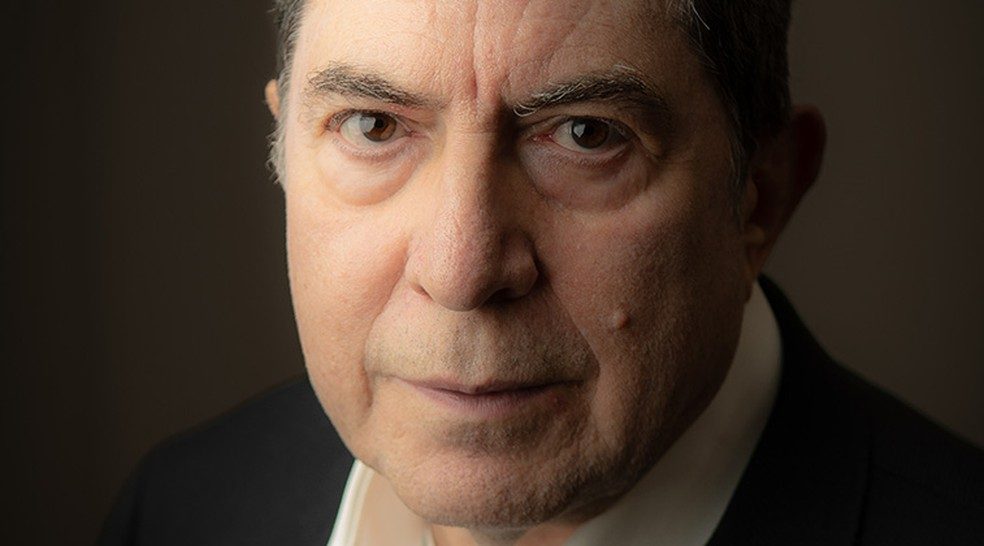
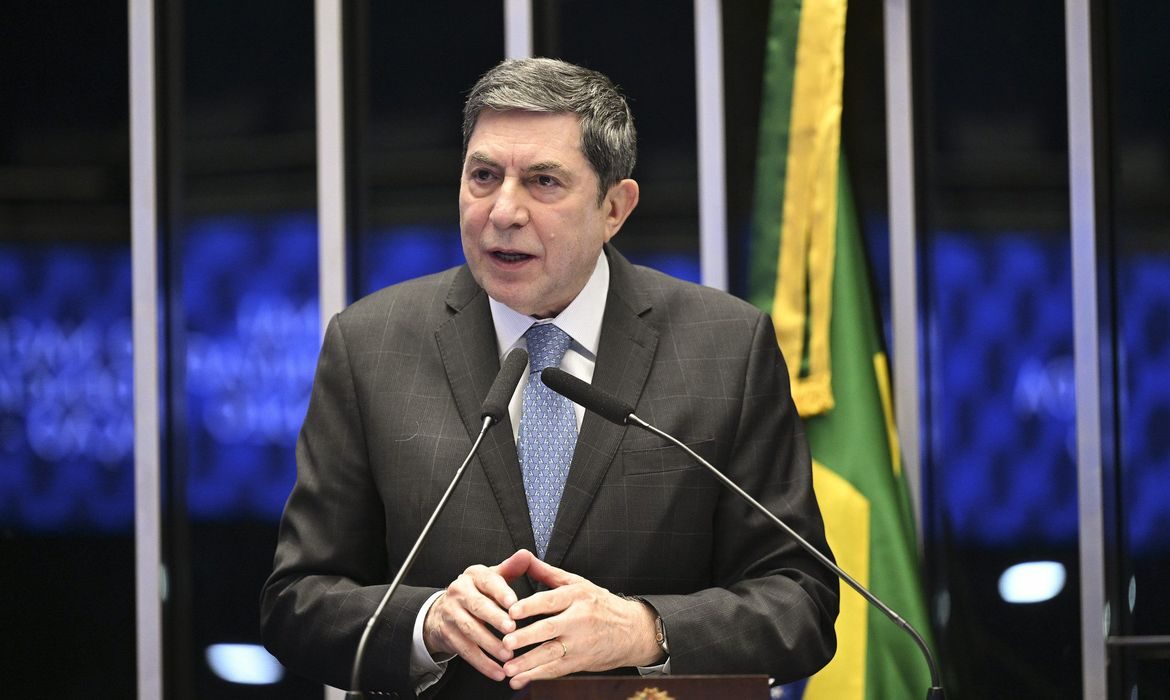
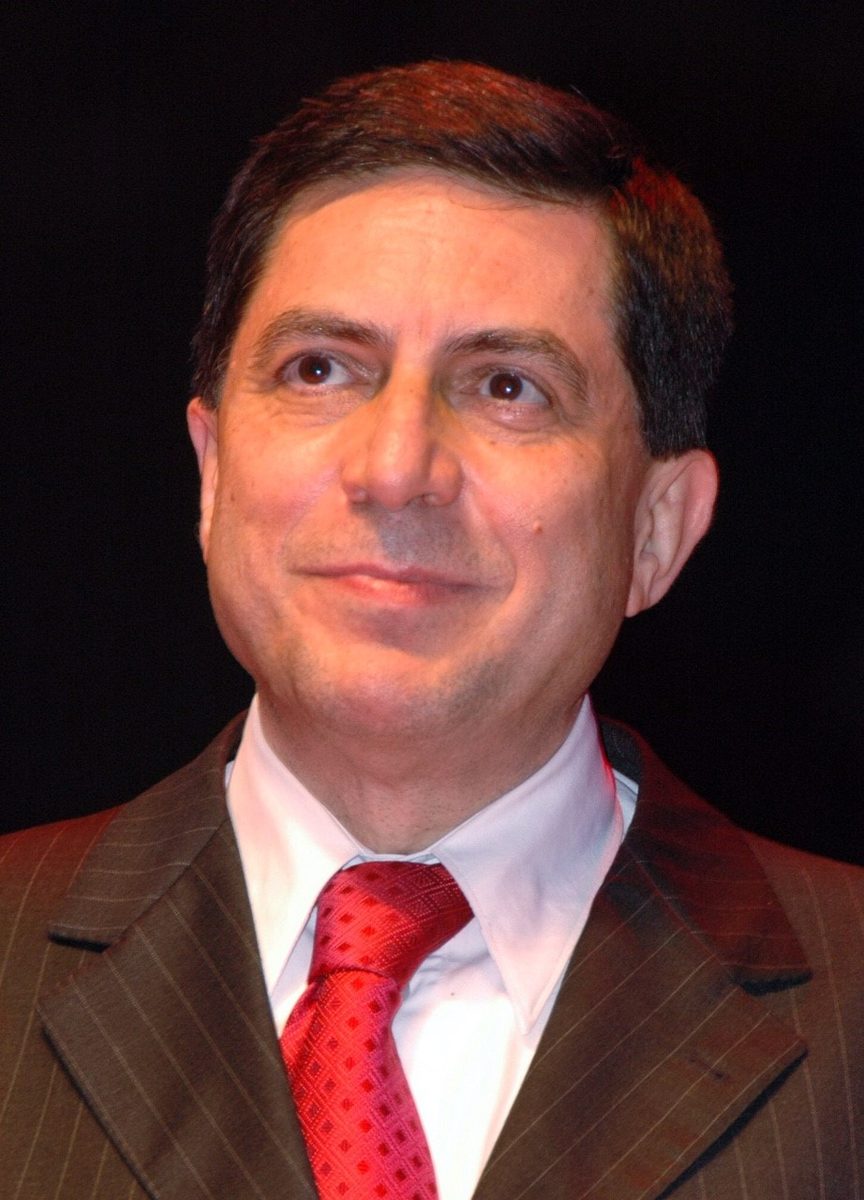
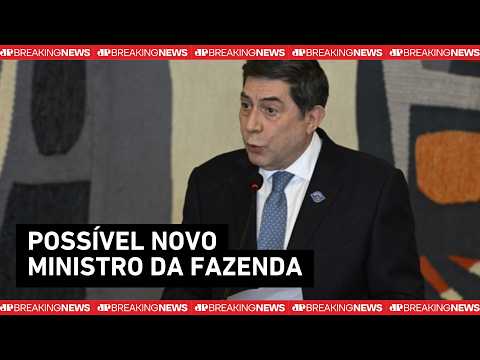
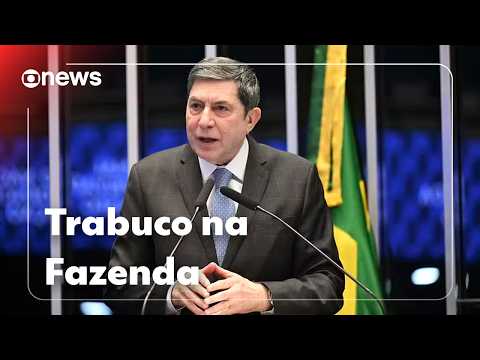
Brazil's currency gained 4% on Friday after President Luiz Inácio Lula da Silva named Bradesco chairman Luiz Carlos Trabuco as finance minister. The real closed at 5.51 per dollar, having touched 5.47, and posted its best week since 2020.

The bet is that a banker can do what Lula's own coalition has resisted: slow public debt now at 82.9% of GDP. Trabuco inherits a 13.75% benchmark interest rate and a next Congress that the UBS economist Srour expects to be dominated by the opposition.

Why it matters

Brazil owes 82.9% of its GDP. If Trabuco slows that growth, borrowing costs fall for every Brazilian business and household.

Questions about this story

Free account needed to ask — your question is kept and asked for you right after sign-up. Answers are public.

No questions yet — be the first to ask.

Key Indicators

4%
Real's gain on Nov. 27
The currency's strongest single session in months, after touching a 4.7% gain intraday.
5.51
Reais per dollar at Friday's close
Down from 5.74 the previous session, before the rally pared slightly.
82.9%
Gross public debt as a share of GDP
Up about 11 percentage points since the start of Lula's third term.
13.75%
Benchmark interest rate
Brazil's central bank rate, which Trabuco has publicly called prohibitive for industry.
0.5%
Fiscal savings targeted for 2027
The government's announced measures aim for savings worth 0.5% of GDP that year; analysts say more is needed.
3.9%
Bovespa's intraday jump
The benchmark stock index gave back most of the gain and closed near flat.

Voices

Curated perspectives — historical figures and your fellow readers.

Sign up to generate historical perspectives on this story.

People Involved

Organizations Involved

Timeline

2023 November 2026

5 events Latest: Today
Tap a bar to jump to that date
  1. Lula names Trabuco finance minister

    Today Appointment

    The real gains 4% to 5.51 per dollar, interest-rate futures fall, and longer-dated international bonds add about 2 cents.

  2. Trabuco meets Lula in Brasília

    Appointment

    Reports of the meeting lift the Bovespa 6% and the real 1.2% before any confirmation. Trabuco accepts that afternoon.

  3. Lula wins re-election and assets sell off

    Election

    Lula defeats right-wing rival Flavio Bolsonaro. Investors sell Brazilian stocks, bonds and currency on concerns about spending.

  4. Lula begins his third term

    Politics

    Gross public debt starts the term near 72% of GDP and climbs about 11 percentage points over the following years.

  5. Trabuco joins Lula's advisory council

    Appointment

    The Bradesco veteran becomes an outside adviser and argues that high interest rates hold back growth.

Scenarios

1

Trabuco's spending package passes and the real holds below 5.5 per dollar

Likely Resolves by Q2 2027

Discussed by: UBS Global Wealth Management economist Srour, in Valor Internacional, and Citi analysts

Lula sends a second round of fiscal measures to Congress and enough of the Workers' Party votes for them that mandatory spending growth slows. Srour argues a confidence shock of this size pulls real interest rates toward 6% or 6.5%, well below the roughly 10% she expected under a tax-heavy alternative. The trigger is a package that cuts spending rather than raising revenue.

2

The Workers' Party blocks the cuts and the real slides past 6 per dollar

Possible Resolves by Q2 2027

Discussed by: Reuters, citing the 2015 fate of Joaquim Levy's adjustment and objections from Pedro Uczai

Party lawmakers refuse to vote for pension changes or changes to benefit indexation, the same resistance that ended Levy's tenure in under a year. Srour warns the rally only holds if spending measures follow, and that Trabuco will not get much time before an opposition-dominated Congress takes over.

3

Trabuco leaves the finance ministry within a year

Unlikely Resolves by End of 2027

Discussed by: Reuters, drawing the comparison to Levy's short tenure

The same dynamic that undid Levy plays out again: a market-credible minister pushes pension reform and indexation changes, his own coalition refuses, and he exits. Trabuco has already refused this job once, in 2014, and is 75.

Historical Context

2 moments from history that rhyme with this story — and how they unfolded.

2014

Trabuco declines the finance ministry (2014)

With Dilma Rousseff's government under fiscal pressure, Trabuco was backed for the finance ministry. He declined the job and helped steer Rousseff toward Joaquim Levy, then an executive at Bradesco Asset Management.

Then

Rousseff picked Levy, a bank executive with market credibility, rather than a politician.

Now

The episode gave Lula's circle a template for how a banker enters the government and how quickly that banker can be isolated.

Why this matters now

Trabuco now takes the job he refused, at 75, with the same party base waiting to test him.

2015

Joaquim Levy's finance ministry (2015)

Levy pursued a fiscal adjustment agenda that faced fierce resistance from Rousseff's and Lula's Workers' Party. He lasted less than a year in the post.

Then

The adjustment stalled, and Brazil's fiscal trajectory did not improve.

Now

The failure established a pattern: a market-friendly finance minister can be undone by the governing coalition rather than by the opposition.

Why this matters now

Signs of the same resistance have already appeared, with the Workers' Party's lower-house leader questioning Trabuco before the pick was even confirmed.

Sources

(8)