
Pull to refresh
Logo
Whale breath collected by drone yields whole genomes

Whale breath collected by drone yields whole genomes

New Capabilities

Fifty-eight samples from 26 humpback whales, sequenced without a biopsy dart

Overview

Updated 28 minutes ago

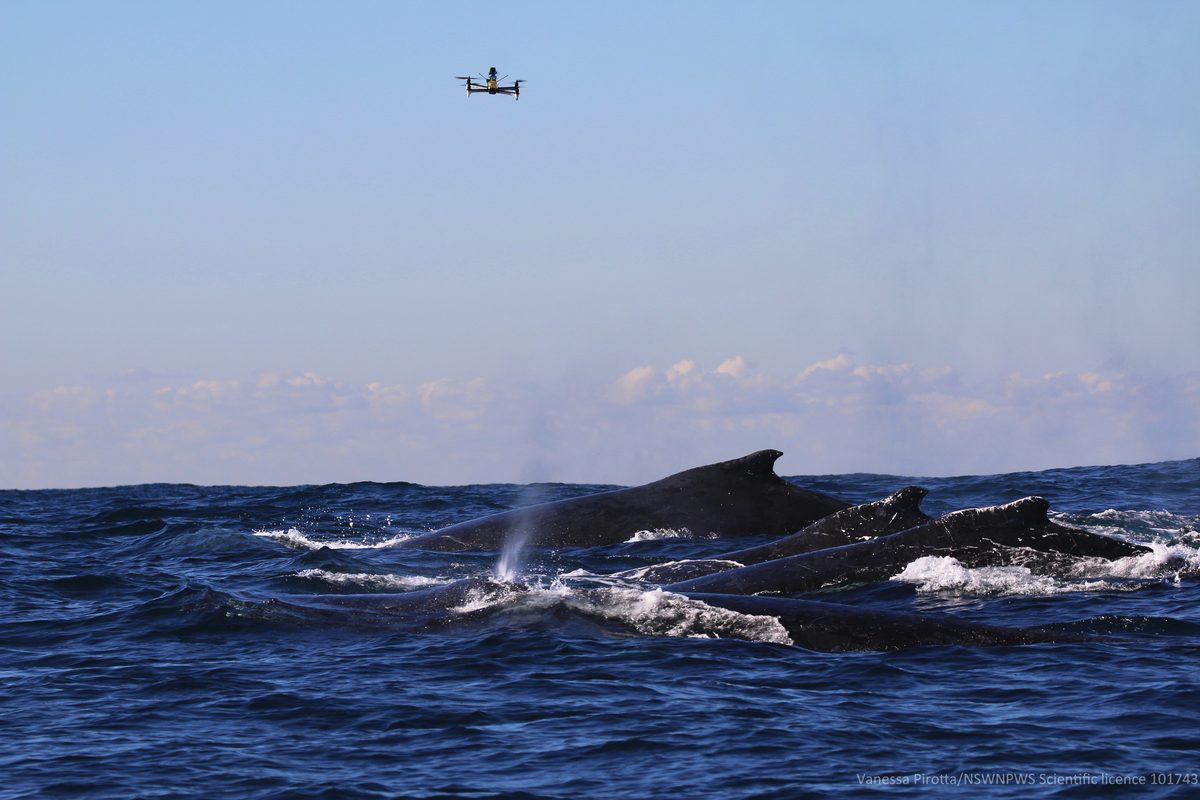
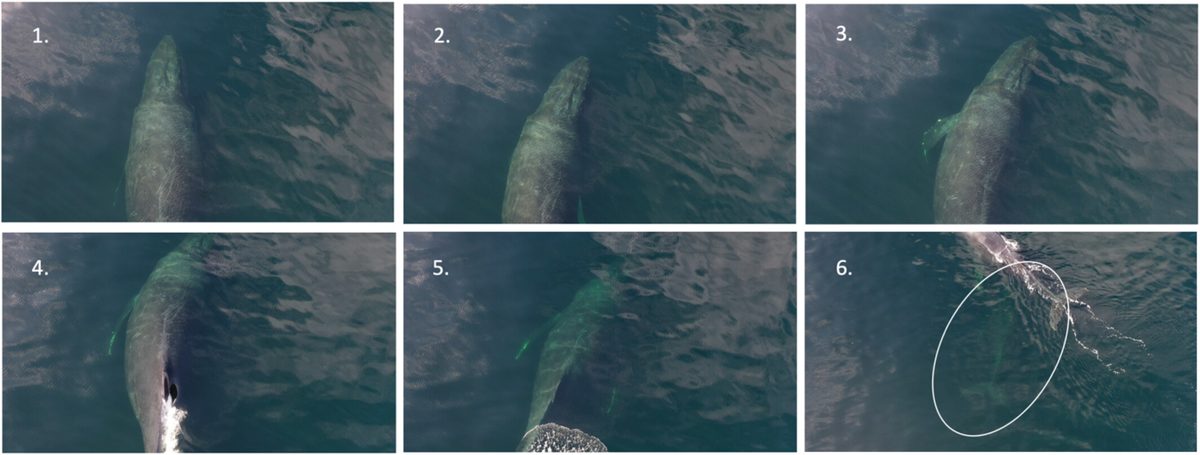
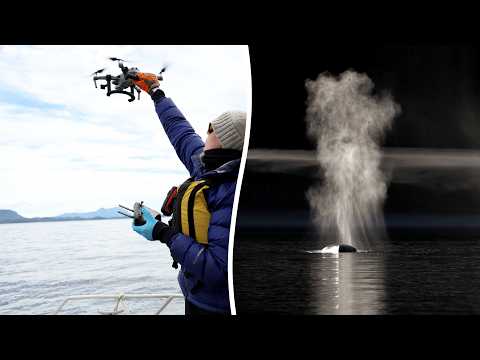
A research team flew a commercially available drone through the exhaled breath of humpback whales off the coast of British Columbia and recovered enough DNA to sequence whole genomes. The whales were not touched, darted or approached by a boat.

The study, published in Molecular Ecology Resources, drew 58 blow samples from 26 Northeast Pacific humpback whales. Endogenous DNA averaged 84%, enough for low-coverage nuclear genomes and high-coverage mitochondrial genomes.

Why it matters

Whale genomes no longer need a dart in the animal's back, opening genetic monitoring to species and waters where biopsies are banned.

Questions about this story

Free account needed to ask — your question is kept and asked for you right after sign-up. Answers are public.

No questions yet — be the first to ask.

Key Indicators

58
Blow samples collected
Taken from 26 individual whales in Gitga'at First Nation territory.
26
Individual whales sampled
Repeat samples from some whales let researchers check reliability.
84%
Average endogenous DNA
Share of sequencing reads that came from the whale rather than its respiratory microbiome.
2.3×
Mean nuclear genome coverage
Low-coverage genomes, ranging from 0.2× to 3.5× across samples.
94×
Mean mitochondrial genome coverage
High enough to compare population structure and identify new haplotypes.
38%
Samples flown from land
Share collected without any research vessel on the water.

Voices

Curated perspectives — historical figures and your fellow readers.

Sign up to generate historical perspectives on this story.

Organizations Involved

Timeline

2019 November 2026

4 events Latest: Today
Tap a bar to jump to that date
  1. Results reported publicly

    Today Publication

    Good News Network and NPR describe the study: 58 samples, 26 whales, and three previously undescribed mitochondrial haplotypes.

  2. Whole genomes sequenced from whale blow

    Publication

    Molecular Ecology Resources publishes genomes from 58 blow samples taken from 26 humpback whales.

  3. Drone blow sampling tested on baleen whales

    Research

    An earlier study collected baleen whale blow by drone within Gitga'at territory across 112 drone deployments, recovering DNA.

  4. Blow sampling enters the research routine

    Research

    The St Andrews team has used blow sampling in its whale genetics work since 2019, per the published paper.

Scenarios

1

A second whale species gets a genome from breath

Possible Resolves by Q2 2029

Discussed by: The study's authors, who write that applying the method to other cetaceans 'has yet to be tested'

The humpback result works partly because the whales are large, slow at the surface and produce a big plume. A team targeting another large baleen species would need similar surface behaviour and a pilot able to line up the drone repeatedly. Success would show the method is a general tool rather than a humpback-specific trick.

2

Fisheries agencies name drone blow sampling in research permits

Possible Resolves by End of 2028

Discussed by: The authors, who argue blow sampling suits situations where biopsy sampling is not viable or permitted

The paper's case for policy change rests on places where dart biopsies are restricted, where permitting and training are hard, or where whales avoid vessels. Adoption would show up first as wording in research permits and agency guidance rather than as a new law.

3

Small dolphins prove too fast for blow genomes

Uncertain Resolves by End of 2029

Discussed by: The authors' limitations section, which flags small, fast-swimming toothed whales as harder to sample with less DNA per blow

Humpbacks surface predictably and hold still enough for a drone to cross the plume. Fast, elusive dolphins give a pilot a much smaller window, and the paper expects less DNA per breath. A failed attempt published honestly would mark the method's boundary.

Historical Context

2 moments from history that rhyme with this story — and how they unfolded.

Until November 2026

Biopsy-dart genomics for whales (until 2026)

Whole whale genomes required a small skin and blubber sample taken with a dart, a stranded animal or a historical specimen. Researchers note that in some places and for some species, biopsy sampling is not permitted or not possible.

Then

The new study produced genomes from 58 samples across 26 whales with no physical contact, matching paired tissue samples for a subset of individuals.

Now

Genetic monitoring becomes available in waters and for species where dart sampling was ruled out by law, permit conditions or the animals' own avoidance of boats.

Why this matters now

It establishes what the drone method replaces, and why the replacement matters beyond convenience.

2019 to 2024

Drone blow sampling for baleen whales (2019–2024)

St Andrews researchers have collected whale blow since 2019. A 2024 study flew drones through baleen whale exhalations in Gitga'at First Nation territory, across 112 drone deployments, and recovered DNA from the samples.

Then

The earlier work showed breath could be caught and that it contained whale DNA.

Now

The question shifted from whether blow carries DNA to whether it carries enough for a whole genome. The 2026 paper answers that with 84% average endogenous DNA.

Why this matters now

The genome result is the second step of a method already field-tested; the sampling protocol, not the sequencing, was the hard part.

Sources

(10)