


Pull to refresh
Logo
Cala launches kIQ Plus tremor therapy wearable nationwide

Cala launches kIQ Plus tremor therapy wearable nationwide

New Capabilities

FDA-cleared wrist device offers three stimulation modes and adaptive calibration for essential tremor and Parkinson's disease

Today: Cala launches kIQ Plus nationwide

Overview

Updated 1 hour ago

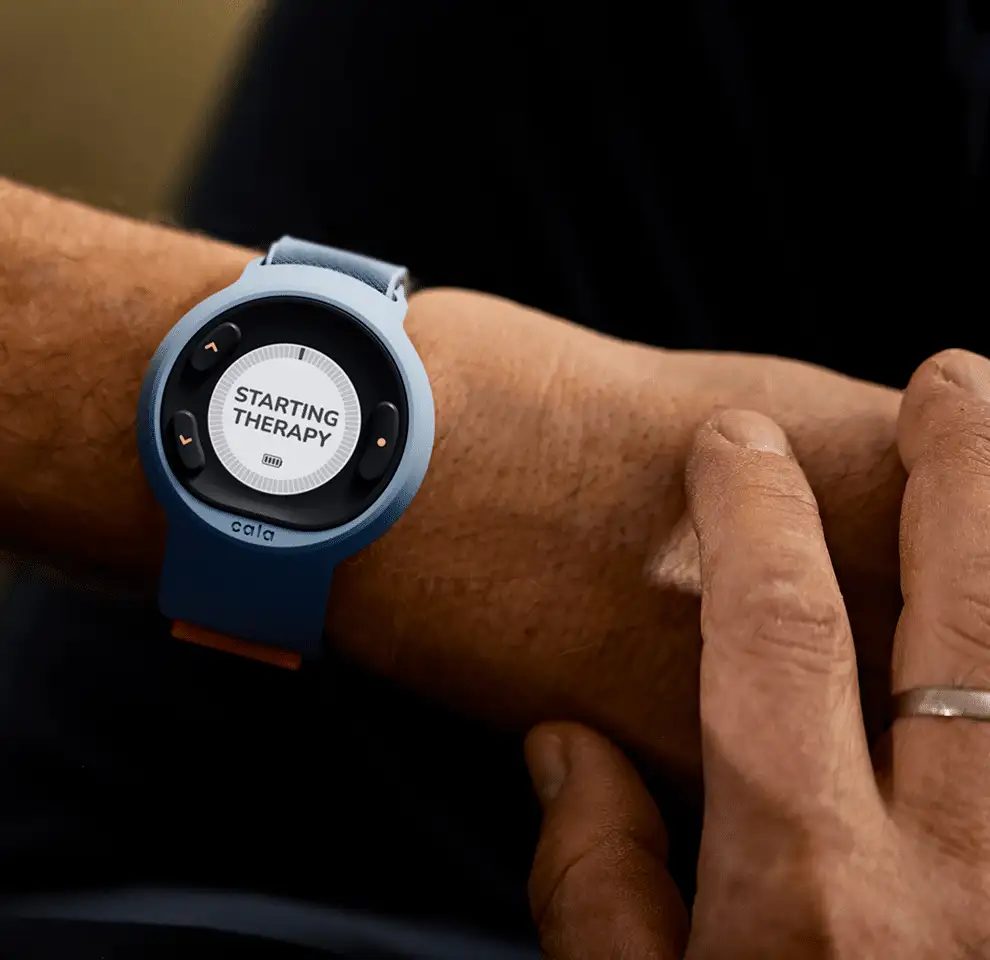
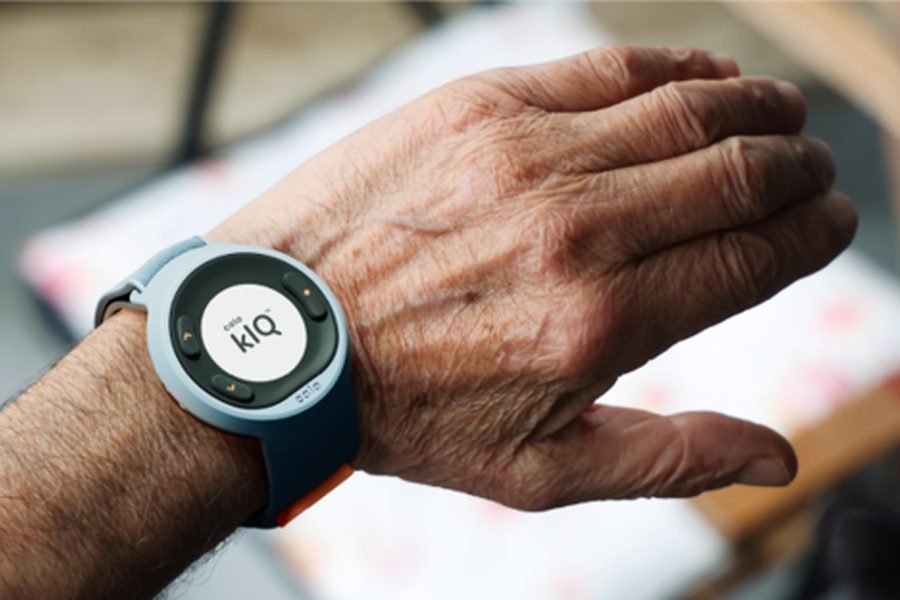
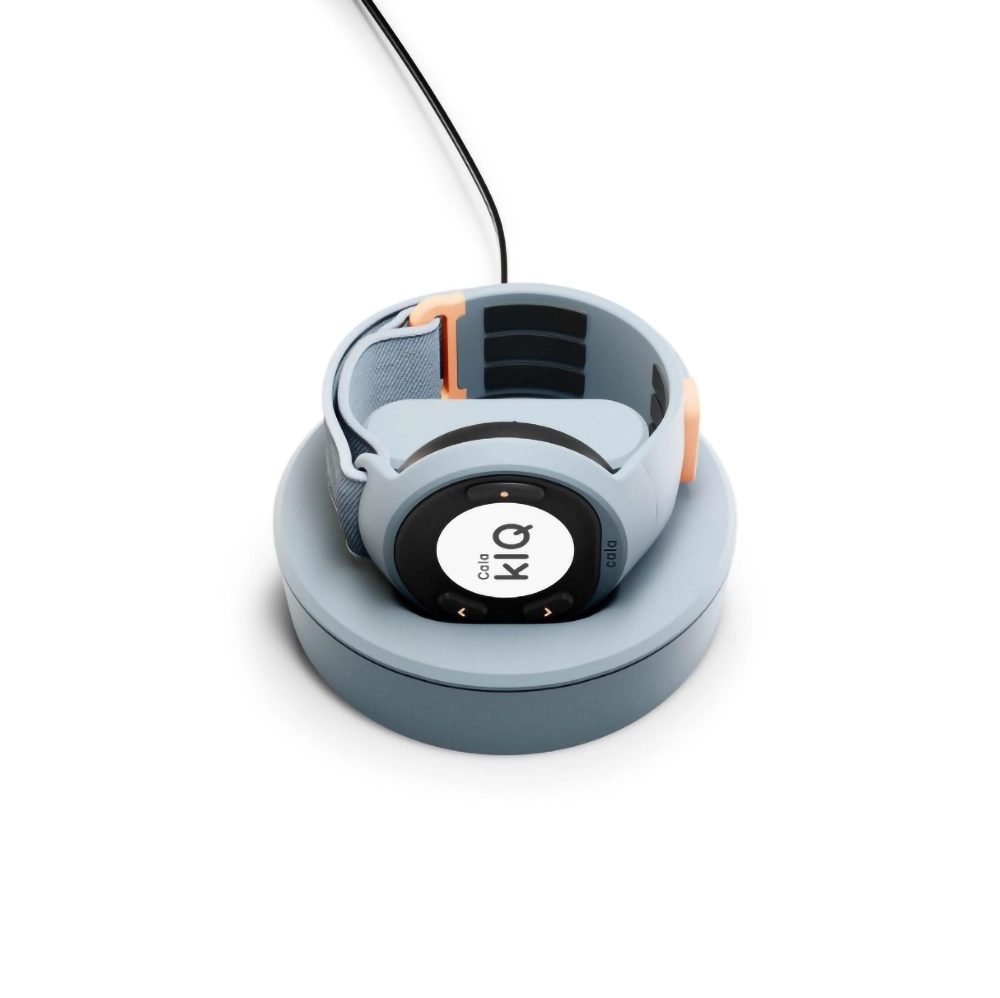
Cala Health began selling its kIQ Plus tremor therapy wearable nationwide on October 6. The wrist-worn device, cleared by the FDA in March, is the first tremor stimulator with multiple therapy modes and adaptive calibration, the company says.

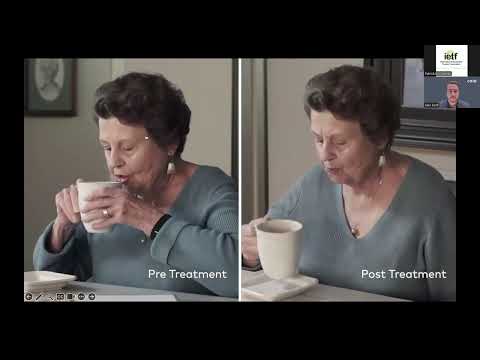
It targets action hand tremor in essential tremor and Parkinson's disease. The device delivers electrical pulses to wrist nerves to disrupt tremor signals, and patients can choose among three waveform modes. In a study presented at the American Academy of Neurology conference, 76% to 89% of patients achieved at least a 1-point reduction on the clinician-rated TETRAS performance scale.

Why it matters

A noninvasive, on-demand alternative to tremor medication and brain surgery is now available nationwide by prescription.

Questions about this story

Free account needed to ask — your question is kept and asked for you right after sign-up. Answers are public.

No questions yet — be the first to ask.

Key Indicators

3
Stimulation waveform modes
Traditional TAPS, burst-frequency variation, and pulse-frequency variation.
76-89%
Patients achieving meaningful tremor reduction
Range across the three modes for at least a 1-point TETRAS reduction.
18%
Device-related adverse event rate
Mostly mild wrist discomfort and skin irritation; no serious adverse events reported.
62%
Patients improved from severe/moderate to mild/slight tremor
From a 3-month home-use study of 205 essential tremor patients.

Voices

Curated perspectives — historical figures and your fellow readers.

Ever wondered what historical figures would say about today's headlines?

Sign up to generate historical perspectives on this story.

Organizations Involved

Timeline

November 2025 October 2026

5 events Latest: Today
Tap a bar to jump to that date
  1. Cala launches kIQ Plus nationwide

    Today Launch

    Cala announces nationwide availability of kIQ Plus, available by prescription from neurologists and movement disorder specialists.

  2. Cala announces FDA clearance

    Announcement

    Cala publicly announces the FDA clearance of kIQ Plus, highlighting new therapy modes and adaptive calibration.

  3. FDA clears Cala kIQ Plus

    Regulatory

    FDA finds device substantially equivalent to prior kIQ platform, clearing it for tremor therapy.

  4. Waveform mode study presented at AAN conference

    Research

    Cala presents waveform study showing 76-89% of patients achieved meaningful tremor reduction.

  5. Cala submits kIQ Plus 510(k) application to FDA

    Regulatory

    Cala Health files its 510(k) premarket notification for the kIQ Plus tremor therapy device.

Scenarios

1

Cala kIQ Plus lands commercial insurance coverage

Possible Resolves by Oct 6, 2027

Discussed by: Cala's own statements about advocating for Medicare Advantage and commercial payor plans

The device currently has VA Health System coverage and Medicare for patients meeting Local Coverage Criteria. If Cala secures contracts with major commercial insurers, the device becomes accessible to a much larger patient population, potentially driving adoption.

2

Parkinson's-specific data strengthens the case for PD use

Likely Resolves by Apr 30, 2027

Discussed by: NeurologyLive, which notes most published evidence is in essential tremor with limited PD-specific data

The clearance was based on substantial equivalence to the prior device. If PD-specific efficacy data from the AAN 2026 presentation shows strong results, it could drive adoption in the Parkinson's population, which is a larger market.

3

A competitor enters the wearable tremor market

Unlikely Resolves by Oct 6, 2027

Discussed by: The growing wearable neuromodulation space

If a rival company receives FDA clearance for a similar wrist-worn tremor stimulator, Cala loses its first-mover position in multi-mode wearable tremor therapy. This would pressure pricing and market share.

Historical Context

3 moments from history that rhyme with this story — and how they unfolded.

1997

Deep brain stimulation for essential tremor (1997)

The FDA approved deep brain stimulation (DBS) for essential tremor, implanting electrodes in the brain to disrupt abnormal signals. It became the standard for medication-resistant tremor.

Then

DBS provided dramatic relief for many patients but required brain surgery with risks of infection, bleeding, and stroke.

Now

DBS remains the gold standard for severe tremor, but many patients are ineligible or unwilling to undergo brain surgery.

Why this matters now

kIQ Plus offers a noninvasive, on-demand alternative for patients who cannot or will not have DBS surgery.

2016

MR-guided focused ultrasound for tremor (2016)

The FDA approved MR-guided focused ultrasound for essential tremor, using sound waves to ablate the tremor-generating brain region without incisions.

Then

The procedure offered a noninvasive option but was a one-time treatment with permanent effects.

Now

It expanded treatment options but remained a procedure requiring specialized centers.

Why this matters now

kIQ Plus is different: a reversible, on-demand wearable that patients control, not a one-time procedure.

Prior to 2026

Cala kIQ platform (prior generation)

Cala's earlier kIQ device was cleared by the FDA for tremor therapy, establishing the TAPS platform. kIQ Plus builds on this foundation with new therapy modes and adaptive calibration.

Then

The earlier device established TAPS as a viable noninvasive tremor treatment.

Now

kIQ Plus represents an incremental advancement of the existing platform rather than a new class of therapy.

Why this matters now

The clearance was based on substantial equivalence to the prior device, with updates focused on software, calibration, and usability.

Sources

(7)