

Pull to refresh
Logo
ARPA-H funds three teams to store cell therapies at room temperature

ARPA-H funds three teams to store cell therapies at room temperature

New Capabilities

U.S. agency commits up to $87 million to break the cold chain for living medicines

2 days ago: CaseBioscience announces role in RAB team

Overview

Updated 1 hour ago

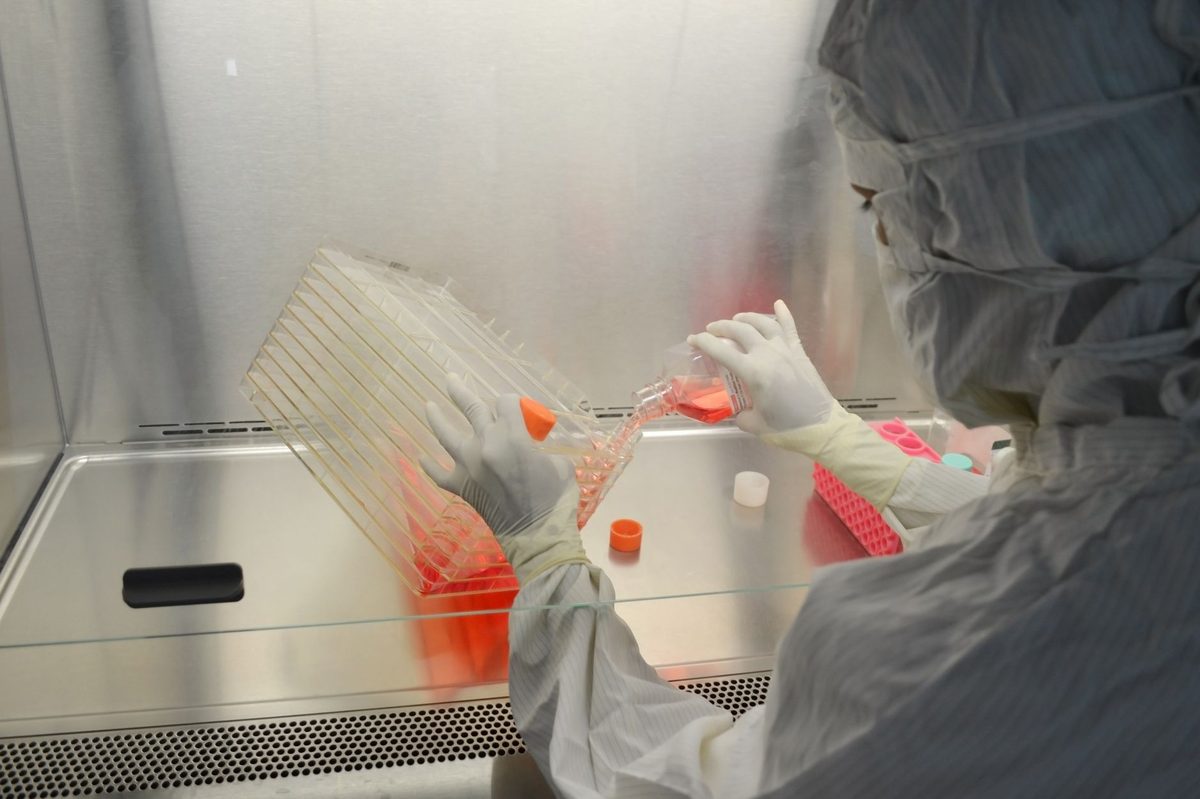
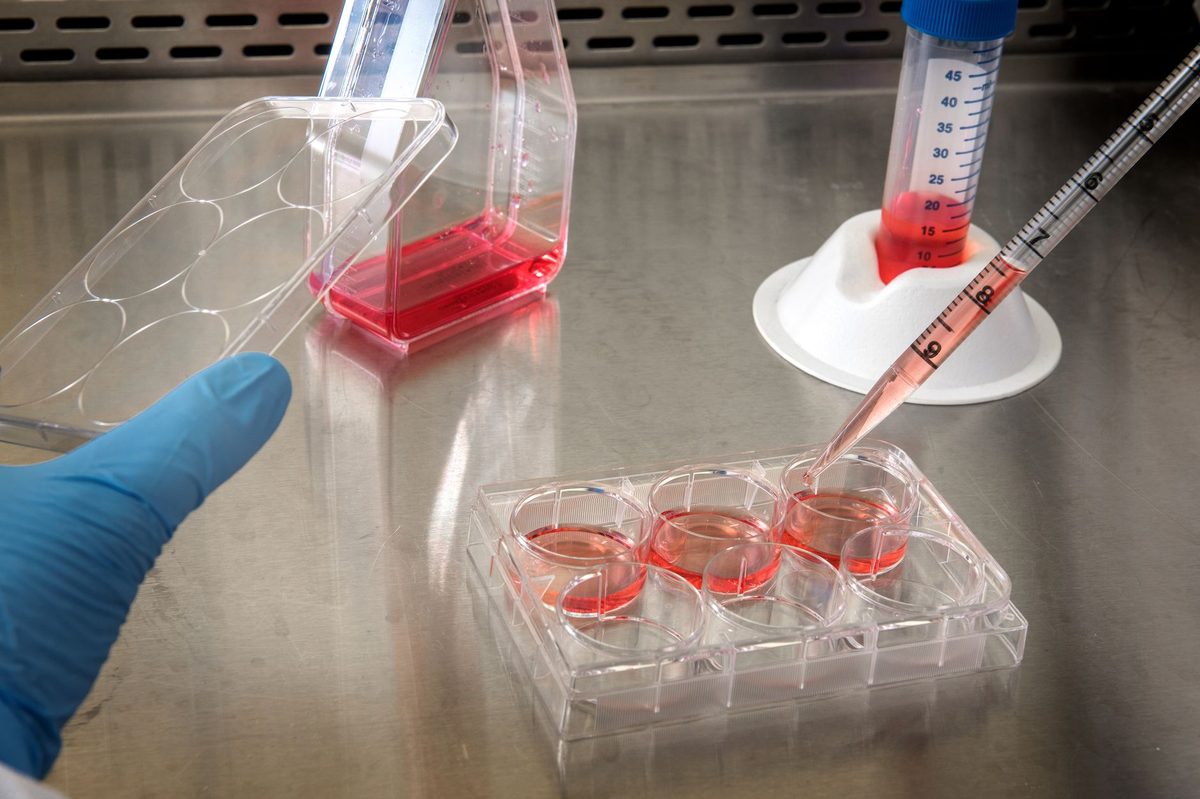
A single dose of a cell therapy can cost hundreds of thousands of dollars, and a delayed shipment or a failed freezer can destroy it. The Advanced Research Projects Agency for Health (ARPA-H), the U.S. agency that funds high-risk medical research, is spending up to $87 million to remove that fragility.

The agency's BioStabilization Systems (BoSS) program backs three teams chasing the same goal: keep living cells stable at room temperature so they ship like aspirin instead of needing an unbroken ultra-cold chain. In early October 2026, Colorado biopreservation firm CaseBioscience confirmed it had joined one of those teams, the seven-member Reversible Ambient Biostabilization (RAB) effort awarded up to $7.3 million.

Why it matters

If room-temperature cell storage works, therapies that now cost hundreds of thousands of dollars could ship like pills, cutting the multi-billion-dollar cold-chain burden on biologic drugs.

Questions about this story

Free account needed to ask — your question is kept and asked for you right after sign-up. Answers are public.

No questions yet — be the first to ask.

Key Indicators

$87M
ARPA-H BoSS program commitment
Total funding across the four-year program for three teams and one validation partner.
$7.3M
Award to RAB team
Up to $7.3 million for the team that includes CaseBioscience, led by Draper per ARPA-H.
3
Funded BoSS performer teams
Three teams testing different stabilization methods, plus one independent verification partner.
217°C
Target temperature gap
The '200-degree leap' from ultra-cold storage near -196°C to room temperature near 21°C.

Voices

Curated perspectives — historical figures and your fellow readers.

Ever wondered what historical figures would say about today's headlines?

Sign up to generate historical perspectives on this story.

People Involved

Organizations Involved

Timeline

September 2026 October 2026

2 events Latest: 2 days ago
  1. CaseBioscience announces role in RAB team

    Latest Announcement

    CaseBioscience publicizes its participation in the Likarda-led RAB team, awarded up to $7.3 million by ARPA-H.

  2. BoSS program initial phase begins

    Program Start

    The RAB team begins its 15-month research phase on reversible room-temperature stabilization of therapeutic cells.

Scenarios

1

Room-temperature cell storage reaches clinic-ready stage

Possible Resolves by Sep 24, 2029

Discussed by: ARPA-H program leadership and the BoSS milestone benchmarks

At least one BoSS team demonstrates a cell product that survives room-temperature storage long enough to ship and use, clearing the program's viability, speed, and shelf-life benchmarks. Transition partners such as Fresenius Kabi would then carry the technology toward real therapies.

2

BoSS program ends without a usable product

Possible Resolves by Sep 24, 2029

Discussed by: biopharminternational.com, which notes no preclinical viability data has been released

Teams fail to hit aggressive benchmarks for cell viability, production speed, or shelf-life. The program completes with research papers and learnings but no technology ready for clinical use, and the cold chain stays in place.

3

RAB team advances past its initial phase

Possible Resolves by Mar 1, 2028

Discussed by: Program structure, which funds continuation based on meeting research milestones

The RAB team clears its first-phase gates and receives continued funding beyond the initial 15-month term, moving its freeze-assisted droplet drying approach toward a transition partner. Other teams either advance too or fall behind.

Historical Context

2 moments from history that rhyme with this story — and how they unfolded.

December 2010

MenAfriVac heat-stable vaccine (2010)

The Serum Institute of India and PATH developed MenAfriVac, a meningitis A vaccine priced near 50 cents a dose and formulated to tolerate temperatures of up to 40°C for days. It was the first vaccine designed for use across Africa's meningitis belt without a strict cold chain.

Then

Mass campaigns vaccinated hundreds of millions of people in West and Central Africa, cutting meningitis A cases sharply.

Now

MenAfriVac proved that temperature-tolerant biological products are achievable, becoming a template for cheaper, easier-to-distribute vaccines.

Why this matters now

BoSS teams use the same toolset — formulation, drying, and stabilization chemistry — to push far beyond vaccines and stabilize living therapeutic cells at room temperature.

1940–1945

Freeze-dried blood plasma (World War II)

Researchers developed lyophilization, freeze-drying, to turn blood plasma into a shelf-stable powder that could be shipped to battlefields and reconstituted with water. The process became a cornerstone of modern biopharmaceutical manufacturing.

Then

Thousands of wounded soldiers received plasma that would otherwise have spoiled in transit.

Now

Lyophilization opened the door to stable versions of countless injectable drugs and biologicals, laying the technical groundwork for today's drying-droplet approaches.

Why this matters now

The BoSS program extends the same freeze-drying logic to complex living cells, which face far harder challenges than plasma proteins.

Sources

(5)