
Pull to refresh
Logo
Salt Lake City water conservation efforts fall just short of 2026 goal

Salt Lake City water conservation efforts fall just short of 2026 goal

Rule Changes Salt Lake City, UT local

City reduced water use by over 2 billion gallons but missed its daily savings target amid hottest summer on record.

Overview

Updated 8 minutes ago

Salt Lake City set a goal in March 2026 to save 10 million gallons of water per day after record-low snowpack. By October 31, the city had cut water use by more than 2 billion gallons, reaching 95% of its target despite the hottest summer on record.

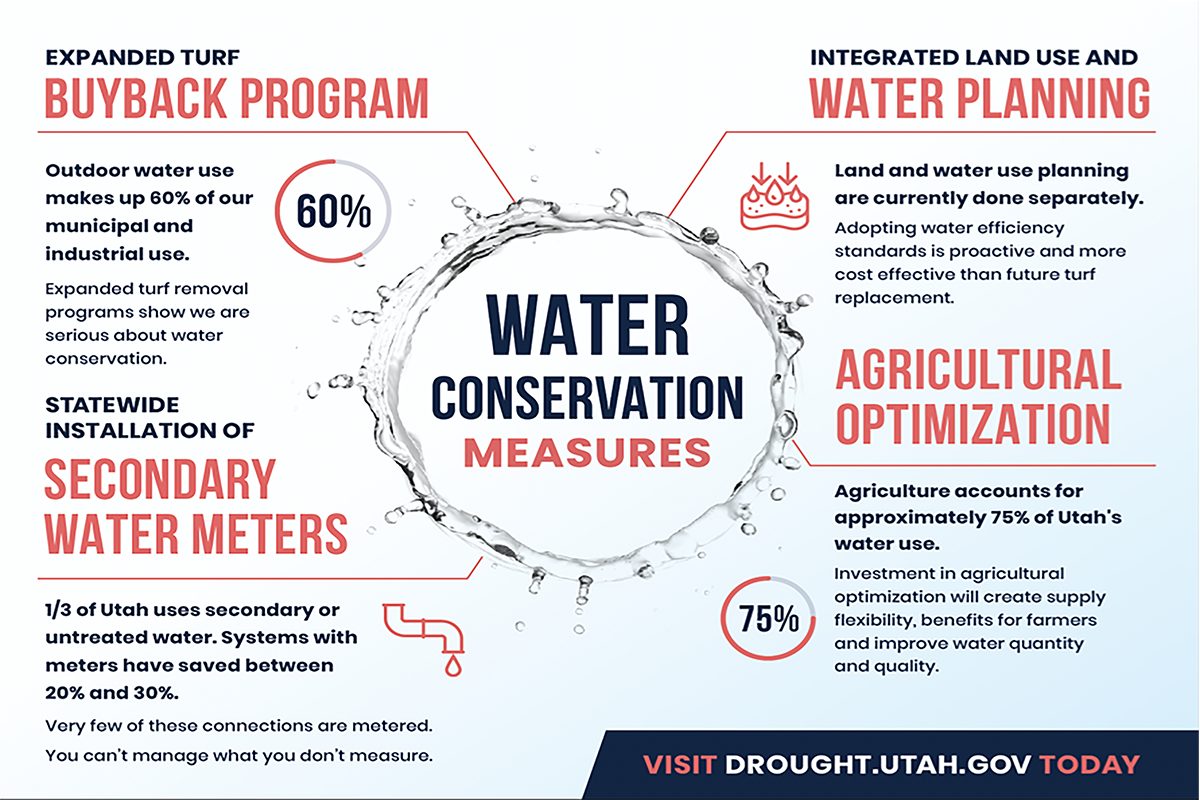
The city's water shortage plan relies mostly on voluntary guidelines for residents and businesses, which account for over 95% of water use. The results show how much can be achieved through public appeals, but also how far short even strong voluntary efforts can fall when temperatures soar.

Why it matters

Voluntary conservation nearly hit a 10-million-gallon daily target in record heat, showing cities can adapt but also that climate stress is outpacing efforts.

Last Monday's email for Salt Lake City, UT

Sent Nov 16. It carried:

Get next Monday's: one short email a week. Free. Unsubscribe in one click.

Questions about this story

Free account needed to ask — your question is kept and asked for you right after sign-up. Answers are public.

No questions yet — be the first to ask.

Key Indicators

95%
Goal achieved
City reached 95% of its 10 million gallon daily savings target.
2 billion+
Gallons saved
Total water saved compared to the three-year average.
4.8%
Decrease from 3-year average
Water use reduction compared to the average of the previous three years.
20
Triple-digit days
Number of days the city hit 100°F or higher, tied for fifth-most on record.

Voices

Curated perspectives — historical figures and your fellow readers.

Sign up to generate historical perspectives on this story.

People Involved

Organizations Involved

Timeline

November 2022 November 2026

6 events Latest: Today
Tap a bar to jump to that date
  1. Salt Lake City reaches 95% of water savings goal

    Today Report

    Officials report over 2 billion gallons saved, nearly hitting 10 million gallon daily target.

  2. Water use data shows significant reduction

    Data

    City uses 20.5 billion gallons, 4.8% below three-year average.

  3. Salt Lake City endures hottest summer on record

    Weather

    City hits 109°F for the first time, with 20 triple-digit days.

  4. Salt Lake City sets ambitious water savings goal

    Policy

    Mayor Erin Mendenhall moves city to Stage 2 of water shortage plan, aiming to save 10 million gallons per day.

  5. Record snowpack provides temporary relief

    Environmental

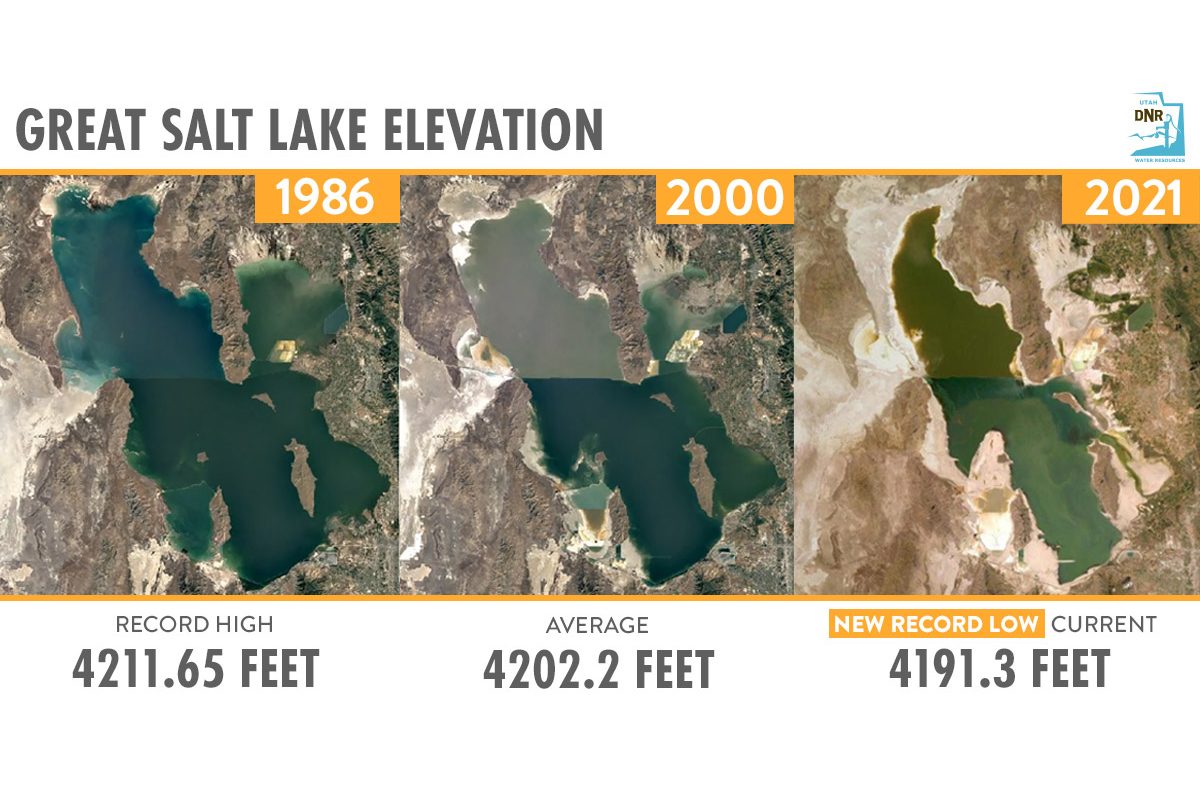
    Great Salt Lake rises 5.5 feet after record snowfall.

  6. Great Salt Lake hits record low

    Environmental

    Lake elevation drops to 4,188.5 feet, the lowest on record.

Scenarios

1

Salt Lake City moves to Stage 3 water restrictions in 2027

Possible Resolves by End of 2027

Discussed by: City council members and water managers have hinted at stricter measures if drought conditions persist.

If the 2027 snowpack is again below average and reservoir levels continue to drop, the city could escalate to Stage 3, which would include mandatory restrictions for all customers. The decision would likely come in spring 2027.

2

Salt Lake City meets or exceeds 10 million gallon daily savings in 2027

Likely Resolves by Nov 30, 2027

Discussed by: City officials have not yet set a 2027 goal, but the 2026 results suggest voluntary measures can nearly hit the target.

If the city sets a similar goal for 2027 and achieves at least 10 million gallons per day in savings, it would show that voluntary conservation can be sustained. The results would be reported in late 2027.

Historical Context

2 moments from history that rhyme with this story — and how they unfolded.

November 2022

Great Salt Lake record low (2022)

The Great Salt Lake dropped to its lowest level on record, 4,188.5 feet, exposing lakebed and raising concerns about toxic dust and ecological collapse. The lake had been declining for decades due to water diversions and drought.

Then

The record low triggered public alarm and emergency discussions. The following winter's record snowpack raised the lake by 5.5 feet.

Now

The crisis elevated the lake's profile and led to new conservation efforts, but the lake remains below healthy levels.

Why this matters now

The 2022 low is the backdrop for Salt Lake City's 2026 conservation goal. It shows how quickly a crisis can galvanize action, and how a single wet year can provide only temporary relief.

2023

Great Salt Lake rebound from record snowpack (2023)

After the record low in 2022, Utah received record snowfall in winter 2023. The Great Salt Lake rose 5.5 feet, providing a temporary reprieve from the crisis.

Then

The lake's rise eased immediate concerns and gave policymakers time to plan.

Now

The rebound was not enough to restore the lake to healthy levels. Conservation efforts continued, and the lake remains vulnerable to future droughts.

Why this matters now

The 2023 rebound shows that natural variability can provide short-term relief, but long-term solutions require sustained water conservation. Salt Lake City's 2026 efforts are part of that longer-term strategy.

Sources

(4)