

Pull to refresh
Logo
Southwest hydropower falls to record lows as Lake Powell nears minimum power pool

Southwest hydropower falls to record lows as Lake Powell nears minimum power pool

Built World

Glen Canyon and Hoover dams are generating at about a third of capacity after a dry winter and a hot summer drained the Colorado River reservoirs.

Overview

Updated 1 hour ago

Federal forecasters reported on November 13 that hydropower generation across the Southwest fell to a record low this summer. Output from April through August was 19% below the same months in 2025 and 28% below the 10-year average.

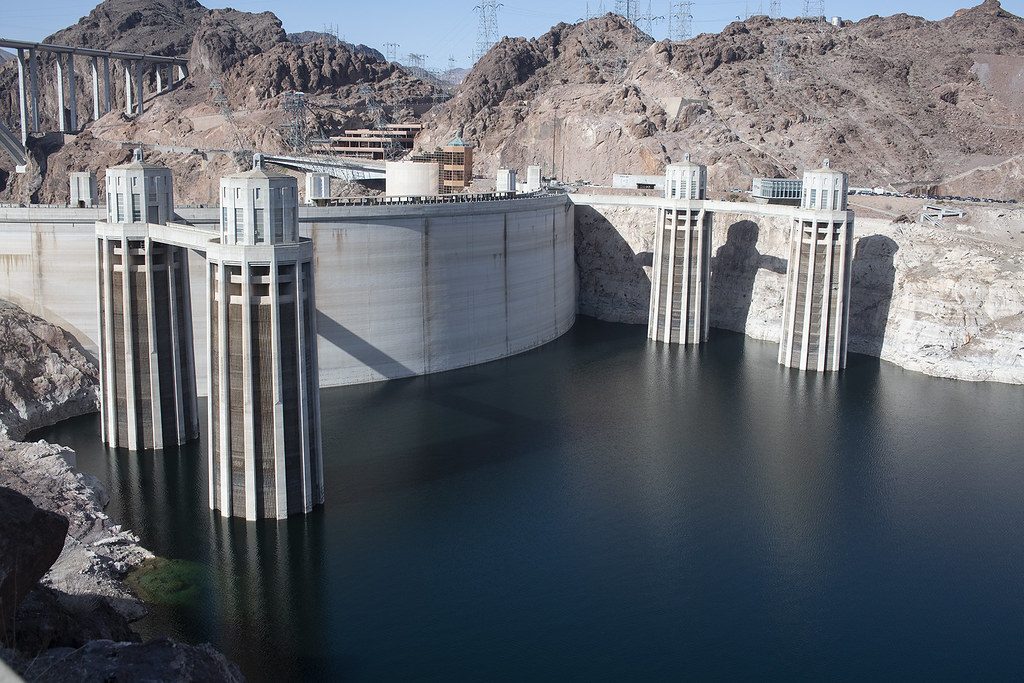
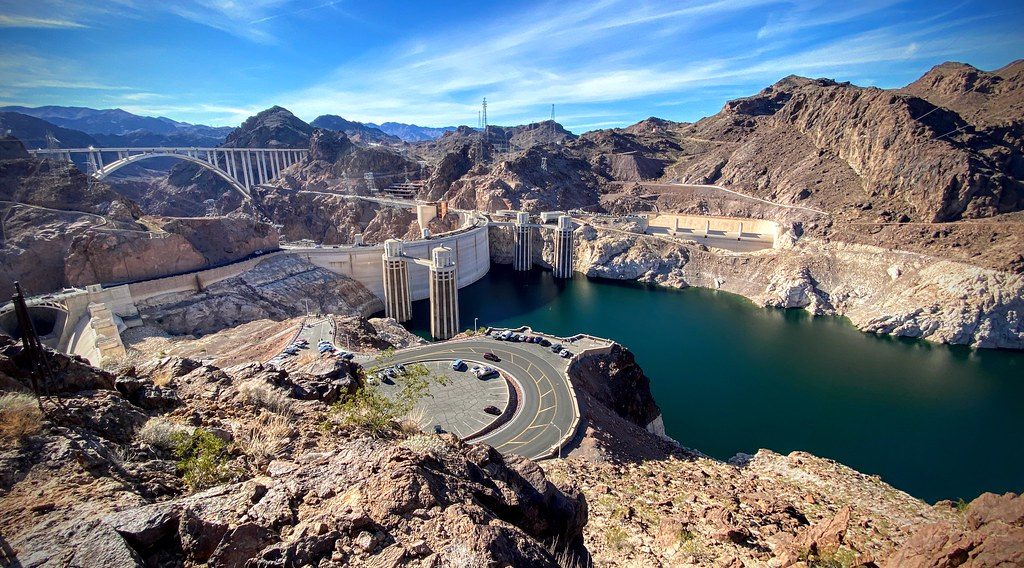
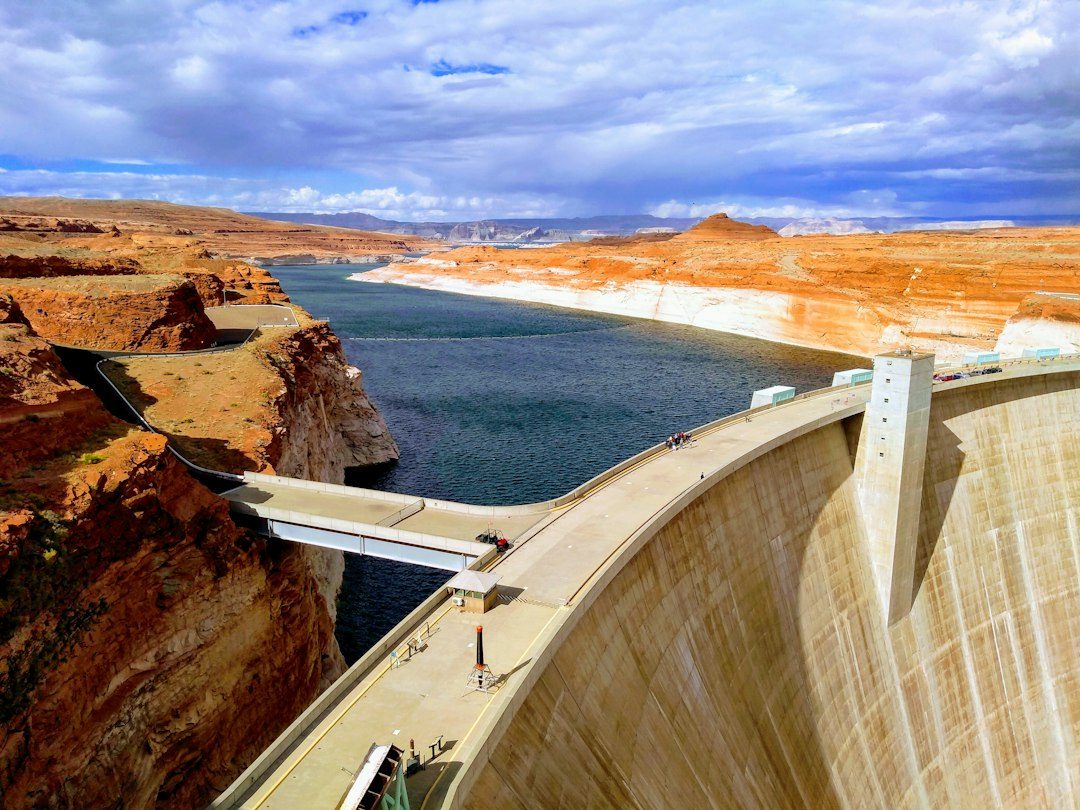
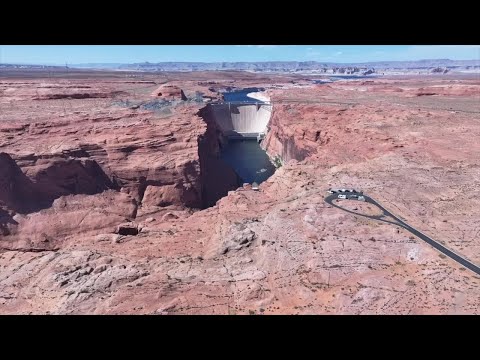
The cause is visible in the reservoirs. Lake Powell, which feeds the 1,320-megawatt Glen Canyon Dam, ended September at 3,518 feet, less than 1% above the 3,490-foot level at which its turbines stop producing power. Lake Mead, behind Hoover Dam, stood at 1,038 feet. That leaves the Bureau of Reclamation balancing water releases for seven states against the minimum elevations needed to keep both dams generating.

Why it matters

The same reservoirs watering 40 million people power the Southwest grid; keeping them above the power pool competes with water deliveries.

Questions about this story

Free account needed to ask — your question is kept and asked for you right after sign-up. Answers are public.

No questions yet — be the first to ask.

Key Indicators

19%
Hydropower output decline, April–August 2026 vs. 2025
The Southwest electricity supply region's lowest summer generation on record.
28%
Below the 10-year average
The same April–August period compared with the prior decade's norm.
3,518 ft
Lake Powell elevation, end of September 2026
Less than 1% above the 3,490-foot minimum power pool for Glen Canyon Dam.
1,038 ft
Lake Mead elevation, end of September 2026
About 9% above the 950-foot minimum power pool for Hoover Dam.
1,112 MW
Combined output of Hoover and Glen Canyon dams, mid-September 2026
About one-third of their roughly 3,400-megawatt nameplate capacity.
1.25 million acre-feet
Annual Colorado River consumption cut for Arizona, California and Nevada
The Interior Department's reduction applies to each of the next two years.
4%
Hydropower's share of the Southwest generation mix, 2026
Down from a peak of 8% in 2011.

Voices

Curated perspectives — historical figures and your fellow readers.

Sign up to generate historical perspectives on this story.

Organizations Involved

Timeline

April 2026 November 2026

6 events Latest: 2 days ago
Tap a bar to jump to that date
  1. EIA reports record-low Southwest hydropower

    Latest Report

    April–August generation was 19% below 2025 and 28% below the 10-year average.

  2. Lake Powell ends September just above power pool

    Measurement

    The reservoir stood at 3,518 feet against a 3,490-foot minimum; Lake Mead was at 1,038 feet.

  3. Bureau of Reclamation cuts water deliveries to three states

    Policy

    Arizona, California and Nevada lost a combined 1.25 million acre-feet a year for two years.

  4. Lake Powell falls below 3,520 feet

    Measurement

    The reservoir reached its lowest level since the late 1960s.

  5. Western snowpack measures half its historic median

    Measurement

    Mid-May snow-water equivalent was half the historic median, cutting the runoff expected to refill reservoirs.

  6. Federal officials warn of major intervention at Lake Powell

    Warning

    Officials said a major intervention would be needed to keep Lake Powell above its minimum power pool by year's end.

Scenarios

1

Lake Powell Falls Below Minimum Power Pool

Possible Resolves by Q3 2027

Discussed by: Bureau of Reclamation, EIA and AP reporting on reservoir elevations

A second dry winter would push Lake Powell below 3,490 feet, the level at which Glen Canyon Dam's turbines stop generating. Federal officials have already released water from Flaming Gorge and reduced Powell releases to slow the decline. Falling below the threshold would cut off about 730 megawatts of dispatchable power and force Reclamation to choose between water deliveries and generation.

2

Federal Government Orders Deeper Colorado River Cuts

Possible Resolves by End of 2027

Discussed by: Reuters and EIA coverage of the August 2026 delivery cuts

The seven basin states have not agreed on how to share the river's shrinking flow. If reservoir levels keep falling, the Interior Department could impose reductions beyond the 1.25 million acre-feet annual cut announced in August 2026, expanding them to more states or extending them past two years.

3

Wet Winter Lifts Hydropower Forecast

Possible Resolves by Q2 2027

Discussed by: EIA Short-Term Energy Outlook

A strong El Niño winter could bring more precipitation than normal to the basin, easing drought conditions and raising runoff into Lake Powell and Lake Mead. EIA notes one good water year likely will not erase the effects of multiple dry years, but it could lift its 2027 generation forecast above the current 6.1 billion kilowatthours.

Historical Context

2 moments from history that rhyme with this story — and how they unfolded.

1922

Colorado River Compact (1922)

The seven basin states divided the Colorado River's flow based on measurements taken between 1905 and 1922, an unusually wet period. The actual average flow since 1922 is much lower, and the last three decades of drought have cut it further.

Then

States built dams, canals and diversion systems sized to the optimistic figure.

Now

The river has been over-allocated for decades, with consumption outpacing supply.

Why this matters now

Today's delivery cuts and reservoir lows are the latest attempt to close a gap written into the original allocation.

2022-2023

Lake Powell's Last Low (2022–2023)

Lake Powell fell toward its minimum power pool, prompting emergency water releases from Flaming Gorge and reduced releases from the dam. A wet winter in 2023 briefly lifted reservoir levels.

Then

The emergency releases and wet winter bought the dams several years of operating room.

Now

Arizona and Nevada added between four and five times their hydro capacity in other fuel types, reducing the grid's exposure to low hydro output.

Why this matters now

Federal managers are reusing the same playbook now, while the reservoirs fall back toward the same threshold.

Sources

(5)