


Pull to refresh
Logo
FERC approves Cheniere's Sabine Pass LNG expansion

FERC approves Cheniere's Sabine Pass LNG expansion

Built World

Three new liquefaction trains and two feeder pipelines clear their last major federal permit, leaving a final investment decision

Overview

Updated 6 hours ago

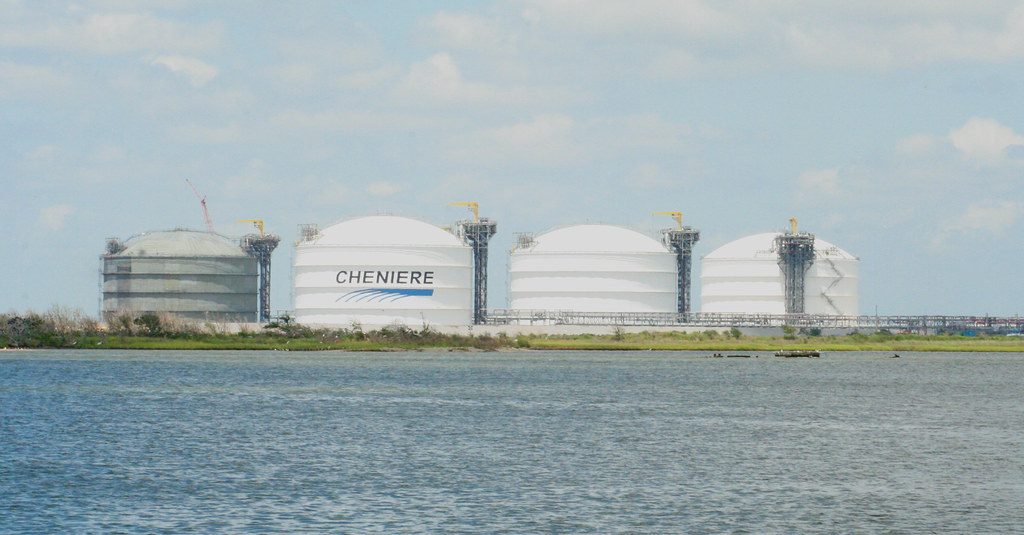
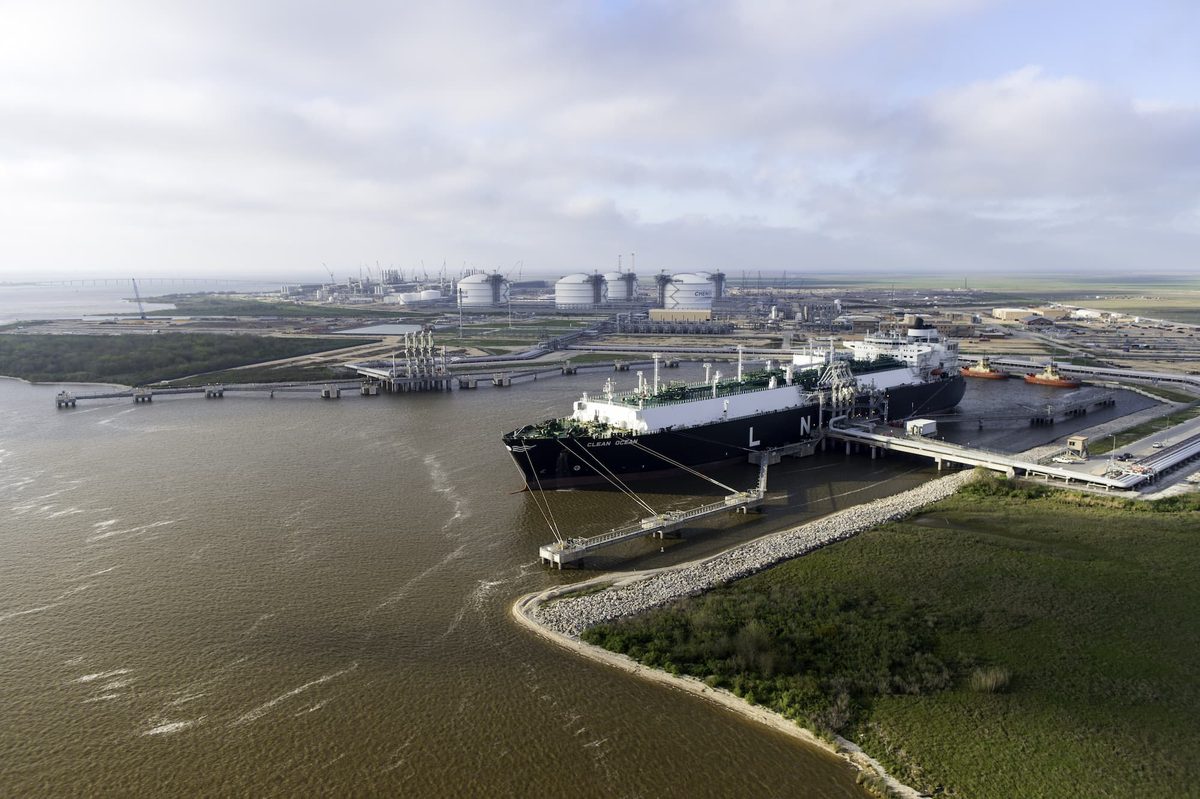
On November 19, the Federal Energy Regulatory Commission gave Cheniere Energy permission to build three more liquefaction trains at its Sabine Pass terminal in Cameron Parish, Louisiana. The order adds 950 billion cubic feet a year of production capacity, roughly 19 million tonnes of liquefied natural gas, plus a re-liquefaction unit and two pipeline expansions to feed the plant.

It is the last major federal approval the project needs. Cheniere says long-term sales contracts, an engineering contractor and half the financing for the first phase are already lined up, which leaves a final investment decision as the next gate.

Why it matters

The order adds 19 million tonnes a year of export capacity, 57% more than Sabine Pass ships today, and most of it is already sold on long-term contracts.

Questions about this story

Free account needed to ask — your question is kept and asked for you right after sign-up. Answers are public.

No questions yet — be the first to ask.

Key Indicators

19
Added LNG capacity (million tonnes per year)
FERC authorized 950 billion cubic feet a year, which the order describes as 19 million tonnes; Reuters reported the figure as 20 million tonnes.
52
Total terminal capacity after expansion (million tonnes per year)
The order puts total site capacity at 2,611.94 billion cubic feet a year, or 52.04 million tonnes.
57%
Increase over current Sabine Pass capacity
Nineteen million tonnes added to roughly 33 million tonnes of existing capacity.
3
New liquefaction trains authorized
Trains 7, 8 and 9, each rated at about 6 million tonnes a year.
$500M
Spent on early works
Cheniere has spent about this much preparing the site before a final investment decision.
10 years
Deadline to build and place in service
FERC conditioned the authorization on the facilities being available within ten years of the order.

Voices

Curated perspectives — historical figures and your fellow readers.

Sign up to generate historical perspectives on this story.

People Involved

Organizations Involved

Timeline

February 2024 November 2026

4 events Latest: Yesterday
Tap a bar to jump to that date
  1. FERC grants the authorizations

    Latest Regulatory approval

    FERC approves the LNG expansion and both feeder pipeline projects in one order, with a ten-year construction deadline.

  2. Cheniere says contracts and financing are ready

    Statement

    On an earnings call, the company's president says commercial support, the construction contract and financing commitments are in place.

  3. Application amended

    Filing

    Cheniere files an amended application, the version FERC ultimately acted on.

  4. Cheniere files for three more trains

    Filing

    The application asks FERC to authorize three liquefaction trains, a re-liquefaction unit and supporting facilities at the existing terminal.

Scenarios

1

Cheniere greenlights Train 7

Likely Resolves by End of 2027

Discussed by: Cheniere executives and energy trade press including Natural Gas Intelligence

The company has said the first phase has long-term sales contracts, a construction contract and financing for half the cost. Approval was the last permit it named as a precondition. If the board signs off, construction on one train and a re-liquefaction unit begins, with the company guiding toward first production in the early 2030s.

2

Energy Department widens export rights to non-FTA buyers

Likely Resolves by End of 2027

Discussed by: FERC's order, which notes the pending application

The current export authorization covers only countries with US free trade agreements, a small slice of global LNG demand. Cheniere has a separate application pending for other destinations. Approval would make the new trains sellable to buyers in Japan, China and most of Europe; a long delay would not stop construction but would narrow the customer base.

3

Cheniere sanctions Trains 8 and 9

Possible Resolves by End of 2030

Discussed by: Cheniere's own phased construction plan filed with FERC

The permit covers three trains but the company split construction into two phases. Phase 2 depends on market conditions at the time of a decision, the order notes. A second sanction would roughly double the added capacity and require new long-term contracts.

4

First LNG from the new train slips past 2031

Unlikely Resolves by End of 2031

Discussed by: Cheniere guidance that first production could come as soon as 2030

Phase 1 is projected to take about 54 months to build once started. That clock only begins at a final investment decision, and large liquefaction projects routinely run long. A slip past 2031 would leave the contracted volumes undelivered and tighten a market that has priced in new US supply.

Historical Context

2 moments from history that rhyme with this story — and how they unfolded.

2012-2016

Sabine Pass conversion (2012-2016)

Cheniere won federal approval to add liquefaction to a Louisiana terminal built to import gas, then built the first large-scale LNG export plant in the lower 48 states. The first cargo left Sabine Pass in February 2016.

Then

The US went from a gas importer to an LNG exporter, and Cheniere became the country's largest shipper.

Now

Sabine Pass set the template Cheniere is repeating here: bolt new trains onto an existing terminal with its berths, tanks and pipelines already in place.

Why this matters now

The current project is the same move at the same site, which is why the company can describe engineering and financing as largely settled before committing.

January 2024

Energy Department pause on non-FTA export permits (2024)

The Biden administration stopped approving LNG exports to countries without US free trade agreements while it reviewed the economic and environmental effects, freezing a queue of pending applications.

Then

Projects without the wider authorization could not contract with most Asian and European buyers.

Now

Approvals resumed in 2025, but Cheniere's application for the Sabine Pass expansion remained pending when FERC issued its order.

Why this matters now

FERC's approval lets Cheniere build; the Energy Department's separate decision governs who can buy the gas.

Sources

(6)