
Pull to refresh
Logo
Shell and partners approve LNG Canada Phase 2 expansion

Shell and partners approve LNG Canada Phase 2 expansion

Built World

The C$33-billion decision doubles the Kitimat plant to 28 million tonnes a year and unlocks a parallel pipeline build.

2 days ago: Phase 2 final investment decision

Overview

Updated 2 hours ago

Twelve months after the federal government referred the project to its new Major Projects Office, Shell and four partners approved a C$33 billion expansion of Canada's only large LNG export terminal. The decision doubles the Kitimat plant to 28 million tonnes a year and unlocks a parallel build-out of the 670-kilometre Coastal GasLink pipeline.

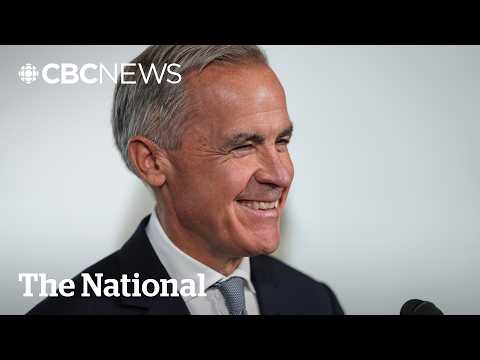
Prime Minister Mark Carney called it the second-largest single private investment in Canadian history, positioning the country among the world's top five LNG exporters. Analysts at the Institute for Energy Economics and Financial Analysis counter that a coming global supply glut and rising construction costs could erode the economics.

Why it matters

The green light doubles Canada's only large LNG export terminal, betting global gas demand will justify billions in new infrastructure.

Questions about this story

Free account needed to ask — your question is kept and asked for you right after sign-up. Answers are public.

No questions yet — be the first to ask.

Key Indicators

28 million tonnes a year
Capacity after Phase 2
Doubled from 14 million tonnes once the two new trains come online in the early 2030s.
$23.2 billion
Phase 2 investment (C$33 billion)
Canada's Major Projects Office estimate for the expansion, the country's second-largest single private investment.
4,000+
Direct construction jobs
Phase 2 is expected to create more than 4,000 jobs during the build phase.
C$1 billion
First Nations equity option
Five Nations can buy a majority stake in the new storage tank, among the largest Indigenous ownership positions in Canadian infrastructure.
C$50 billion+
Projected government revenue
Estimated direct spend, taxes, royalties and related revenue over the life of Phase 2, per LNG Canada.

Voices

Curated perspectives — historical figures and your fellow readers.

Ever wondered what historical figures would say about today's headlines?

Sign up to generate historical perspectives on this story.

People Involved

Organizations Involved

Timeline

October 2018 September 2026

5 events Latest: 2 days ago
Tap a bar to jump to that date
  1. Phase 2 final investment decision

    Latest Investment

    Shell and four partners approve the C$33 billion expansion, doubling capacity to 28 million tonnes a year.

  2. First Nations equity option signed

    Deal

    Five First Nations sign an option to invest up to C$1 billion for a majority stake in the new storage tank.

  3. Federal referral to Major Projects Office

    Policy

    Government refers Phase 2 to the MPO for a fast-tracked federal review process.

  4. Phase 1 comes online

    Milestone

    Kitimat begins LNG production and exports during 2025, Canada's first large-scale shipments to Asian and European buyers.

  5. Phase 1 final investment decision

    Investment

    Five partners commit roughly C$40 billion to build the first two liquefaction trains in Kitimat.

Scenarios

1

Coastal GasLink Phase 2 breaks ground on schedule

Likely Resolves by Q2 2027

Discussed by: LNG Canada, Prime Minister's office, TC Energy

With FID secured, engineering and procurement move forward. TC Energy begins adding five compressor stations in early 2027, and both projects target service in the early 2030s. Prime Minister Carney's Major Projects Office has already set a precedent of a fast approval, and the equity deal with First Nations removes a major source of friction that stalled the pipeline in 2020.

2

Shell takes impairment as LNG glut hits Phase 2

Possible Resolves by End of 2030

Discussed by: Mark Kalegha, IEEFA

Kalegha warned that 254 million tonnes of competing LNG capacity enters service globally between 2026 and 2030, and that volatile prices for steel, labor and debt could push costs up. If spot prices fall below Phase 2 breakeven, Shell or its partners could write down the value of their stakes.

3

Compliance orders and opposition slow the Phase 2 build

Possible Resolves by End of 2028

Discussed by: The Narwhal, sustainability advocacy groups

The Kitimat facility has operated under permits it has been out of compliance with since commissioning, tied to flare-stack issues that produced excessive noise, black smoke and a tower of flame. If the BC Energy Regulator issues new orders or local opposition resurges, construction could slip past the early-2030s startup target.

Historical Context

3 moments from history that rhyme with this story — and how they unfolded.

2000-2011

Mackenzie Valley Pipeline cancellation (2011)

A proposed 1,200-kilometre natural gas pipeline from the Arctic to Alberta spent more than a decade in regulatory review, with environmental and Indigenous opposition mounting and costs climbing.

Then

The consortium pulled the project in December 2011, citing rising costs and policy uncertainty.

Now

It became the standard cautionary tale for Canadian energy mega-projects stalled by permitting delays.

Why this matters now

On the same Western Canadian gas resource, LNG Canada reached FID in a year under the Major Projects Office, a direct contrast with Mackenzie's fate.

October 2018

LNG Canada Phase 1 FID (2018)

The same five-company joint venture approved a roughly C$40 billion first phase, then Canada's largest private investment, committing to two 7-million-tonne trains on a site designed for four.

Then

Construction ran well over the original budget and slipped past its initial 2023 startup target.

Now

Phase 1 began exports in 2025, proving Canadian LNG could reach Asian markets through Kitimat's ice-free harbour.

Why this matters now

Phase 2 repeats the Phase 1 structure on the same footprint, betting the first build's hard lessons translate into a faster, cheaper second one.

February 2020

Coastal GasLink blockades (2020)

Hereditary chiefs of the Wet'suwet'en Nation opposed a pipeline crossing their territory, and blockades nationwide halted rail and construction for weeks on the pipeline that now feeds LNG Canada.

Then

Negotiations and an agreement framework let construction resume after the dispute.

Now

The conflict pushed energy companies toward formal equity agreements with First Nations, the model behind the C$1-billion tank deal in Phase 2.

Why this matters now

Phase 2's Indigenous ownership stake is a direct response to the 2020 conflict that nearly stopped the pipeline it depends on.

Sources

(10)