


Pull to refresh
Logo
Chernobyl fuel particles remain stable 40 years after disaster

Chernobyl fuel particles remain stable 40 years after disaster

New Capabilities

Synchrotron analysis of six hot particles finds intact crystal structures, suggesting slower radionuclide release than expected

3 days ago: Study finds fuel particles stable after 40 years

Overview

Updated 1 hour ago

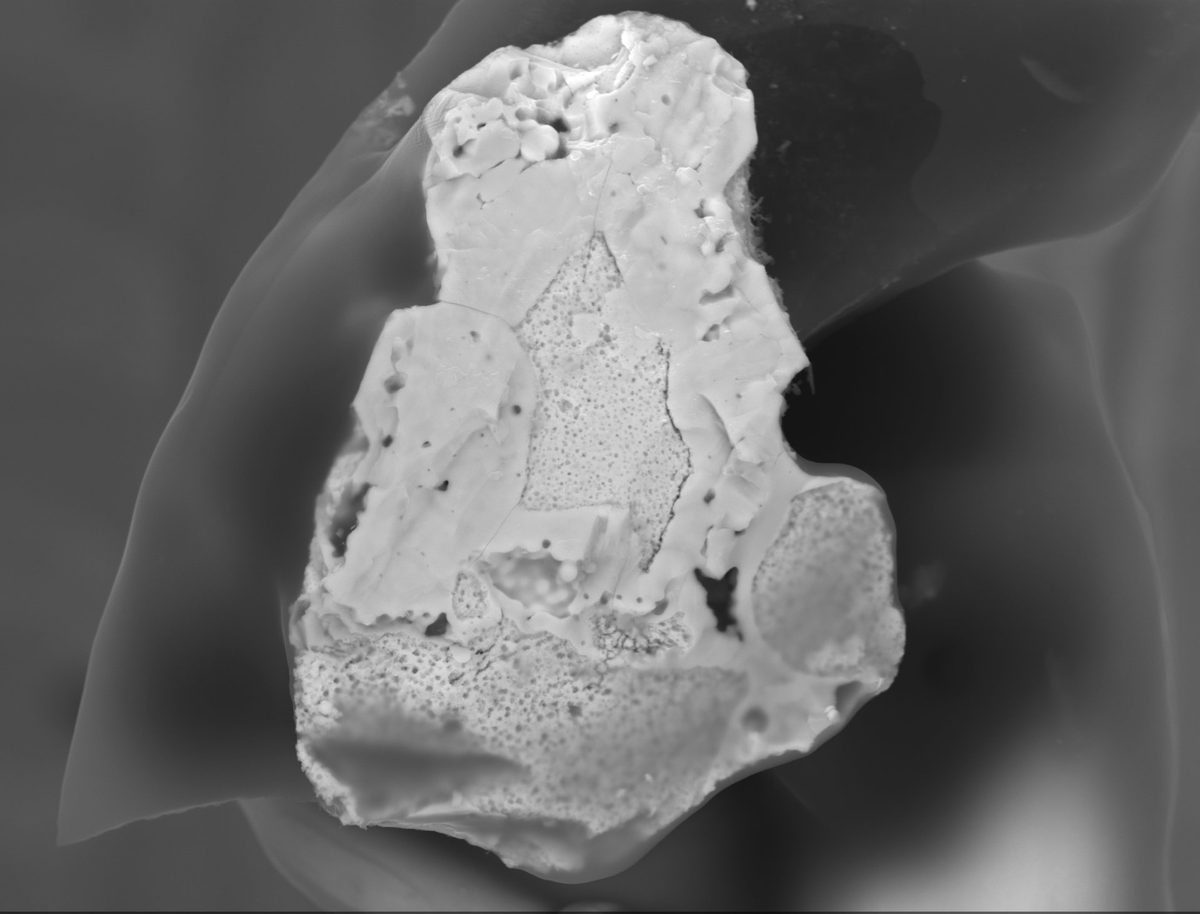
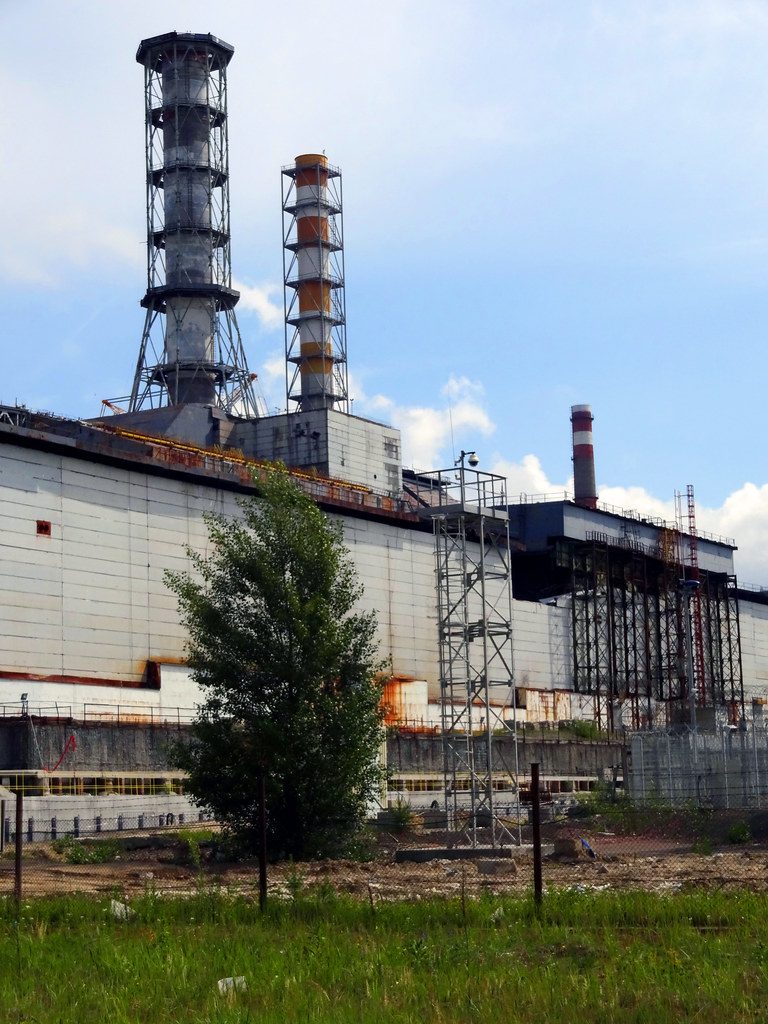
Four decades after Chernobyl's reactor exploded, some radioactive fuel fragments it scattered still hold their original crystal structure. Researchers at Leibniz University Hannover and the Helmholtz-Zentrum Dresden-Rossendorf (HZDR) found the particles are chemically more stable than expected, trapping fission products instead of leaking them into soil and water.

The stability limits immediate contamination but guarantees the radioactive inventory will persist for decades as a slow-release reservoir. The study covered only six particles from two locations, so the pattern may not hold everywhere. The findings appear in the Journal of Hazardous Materials.

Why it matters

Stable Chernobyl fuel particles mean contamination around the plant will persist for decades, shaping evacuation, land-use, and health-risk decisions across the region.

Questions about this story

Free account needed to ask — your question is kept and asked for you right after sign-up. Answers are public.

No questions yet — be the first to ask.

Key Indicators

6
Particles analyzed
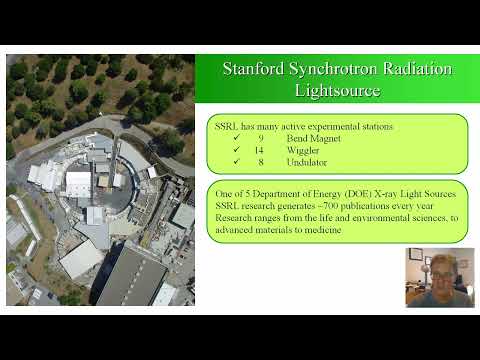
Radioactive fragments from two locations in the Exclusion Zone examined with synchrotron X-ray diffraction.
40
Years since disaster
Time between the April 1986 reactor explosion and the new structural analysis.
3
Particle classes identified
UO2-like particles, particles encased in zirconium, and particles fused with their zirconium layer.

Voices

Curated perspectives — historical figures and your fellow readers.

Ever wondered what historical figures would say about today's headlines?

Sign up to generate historical perspectives on this story.

People Involved

Organizations Involved

Timeline

April 1986 October 2026

3 events Latest: 3 days ago
  1. Study finds fuel particles stable after 40 years

    Latest Research

    Researchers publish analysis of six hot particles showing intact crystal structures and unexpected chemical stability, with fission products retained inside the particles.

  2. Hot particles deposit across the region

    Aftermath

    Radioactive fallout, including uranium fuel fragments later called hot particles, spreads across the area that becomes the Exclusion Zone.

  3. Explosion destroys Chernobyl Reactor 4

    Disaster

    An explosion during a safety test destroys Reactor 4 at the Chernobyl Nuclear Power Plant, releasing radioactive fuel and debris into the atmosphere.

Scenarios

1

Expanded study confirms stability across the Exclusion Zone

Possible Resolves by End of 2028

Discussed by: The research team itself, which noted that six particles from two locations is too small a sample for general conclusions

Weissenborn has said drawing general conclusions requires sampling far more locations and examining far more particles. A follow-up study covering a wider area could confirm whether intact crystal structures are the norm across the Exclusion Zone or an outlier of these particular fragments.

2

Transuranic phase research finds faster-decaying particle types

Uncertain Resolves by End of 2027

Discussed by: Weissenborn and his colleague Hennig, who are already conducting follow-up experiments

The team's ongoing work on transuranic phases in the reactor remnants could identify particle types that dissolve faster than UO2, releasing americium-241 and other radionuclides more quickly. That would complicate the current stability picture and raise new health-risk questions for the region.

3

Exclusion Zone restrictions stay through the 2030s

Likely Resolves by End of 2030

Discussed by: Weissenborn, who said restrictions won't be lifted anytime soon

The particles' persistence reinforces that the Chernobyl Exclusion Zone will remain off-limits for the foreseeable future. Even with stable particles, the slow release of radionuclides over decades keeps contamination a chronic issue, and outliers among particle types could release material later.

Historical Context

3 moments from history that rhyme with this story — and how they unfolded.

March 2011

Fukushima Daiichi (2011)

The Tohoku earthquake and tsunami knocked out cooling at the Fukushima Daiichi plant, causing three reactor meltdowns. More than a decade later, workers still face the challenge of removing melted fuel debris from the reactors.

Then

Large areas around the plant were evacuated, and decommissioning began with an expected timeline of decades.

Now

Japan's ongoing fuel debris removal shows how long nuclear accident cleanup takes and how much depends on understanding damaged fuel behavior.

Why this matters now

Both accidents left melted or damaged fuel whose long-term behavior scientists are still trying to characterize.

1946-1958

Marshall Islands nuclear testing (1946-1958)

The United States conducted nuclear tests at Bikini and Enewetak atolls, leaving radioactive material scattered across lagoon sediments and islands.

Then

Islanders were evacuated and resettled, and some returned to find contamination remained.

Now

Radioactive particles proved to be persistent environmental reservoirs, still detectable decades after the tests ended.

Why this matters now

Demonstrates how insoluble radioactive particles can remain in the environment for decades, a pattern consistent with the new Chernobyl finding.

March 1979

Three Mile Island (1979)

A partial meltdown at the Three Mile Island plant in Pennsylvania damaged much of the reactor core.

Then

No significant radiation escaped beyond the plant, but the cleanup and fuel removal took more than a decade.

Now

Post-accident analysis of the damaged fuel helped scientists understand how nuclear fuel behaves during and after severe accidents.

Why this matters now

Post-accident fuel analysis informed current understanding of nuclear materials, the same goal as the Chernobyl particle study.

Sources

(10)